BATISMO
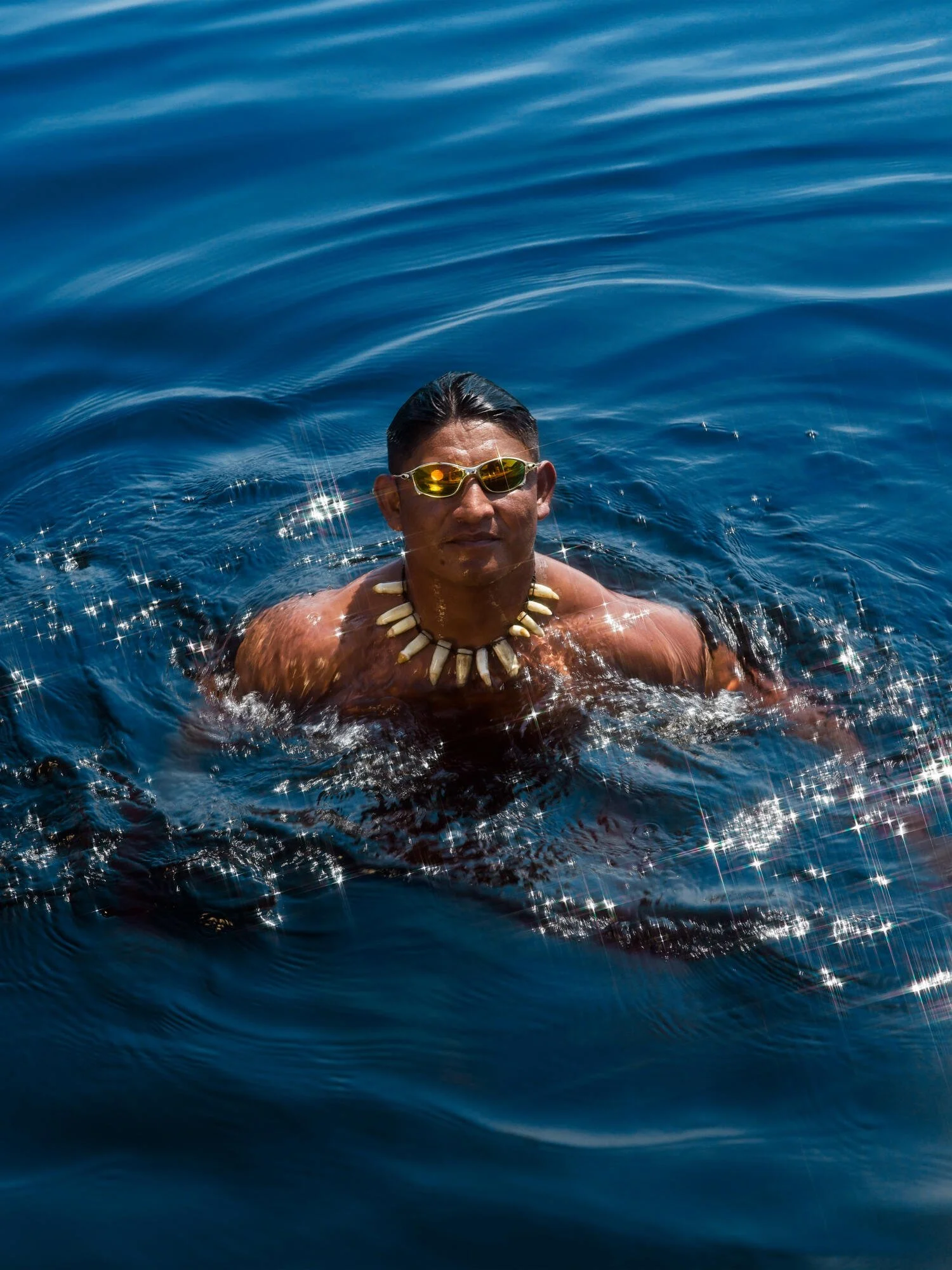
In 2019, I spent six weeks traveling through Brazil as part of BATISMO — a long-form photography project created with photographer Gleeson Paulino.
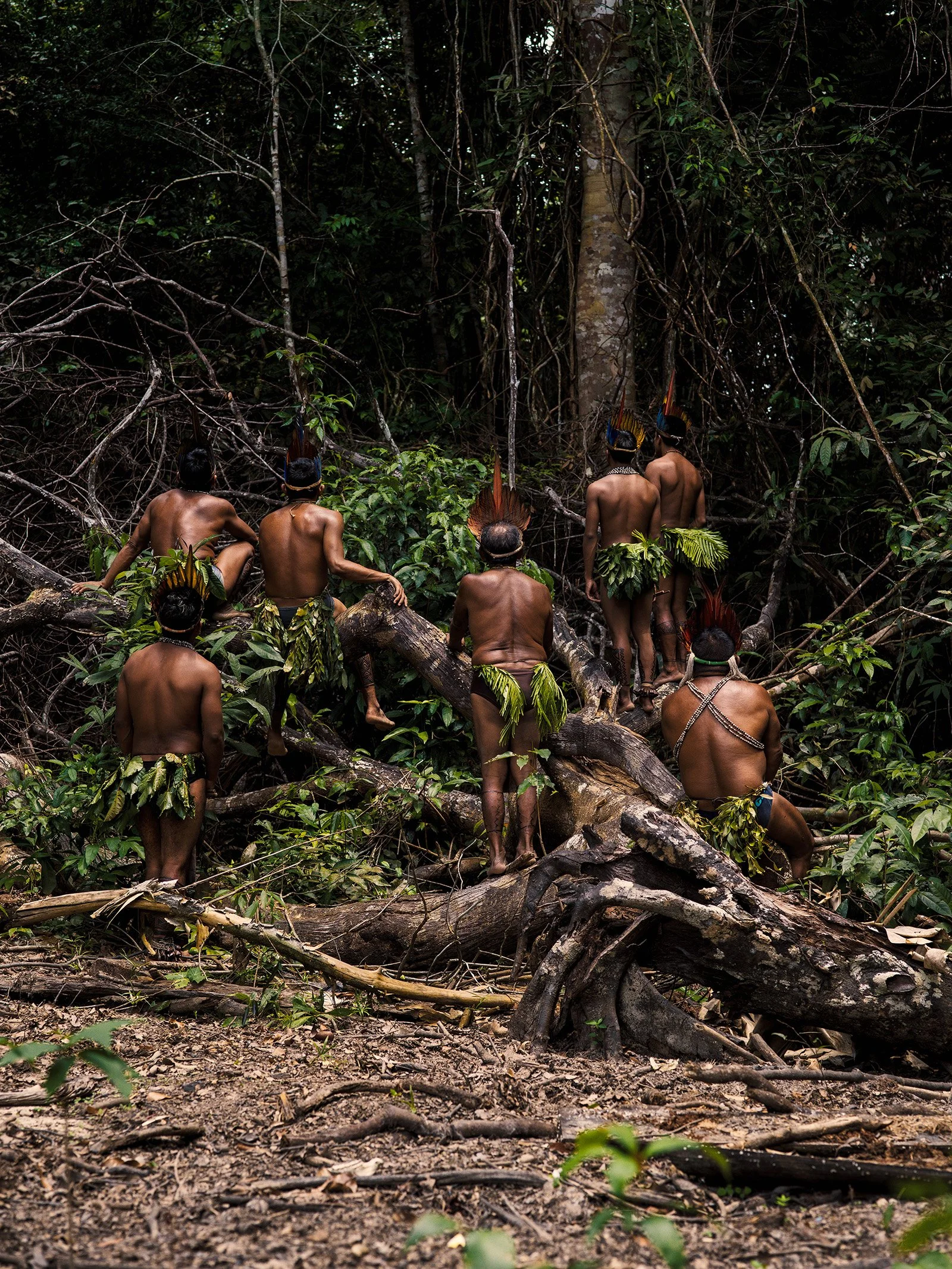
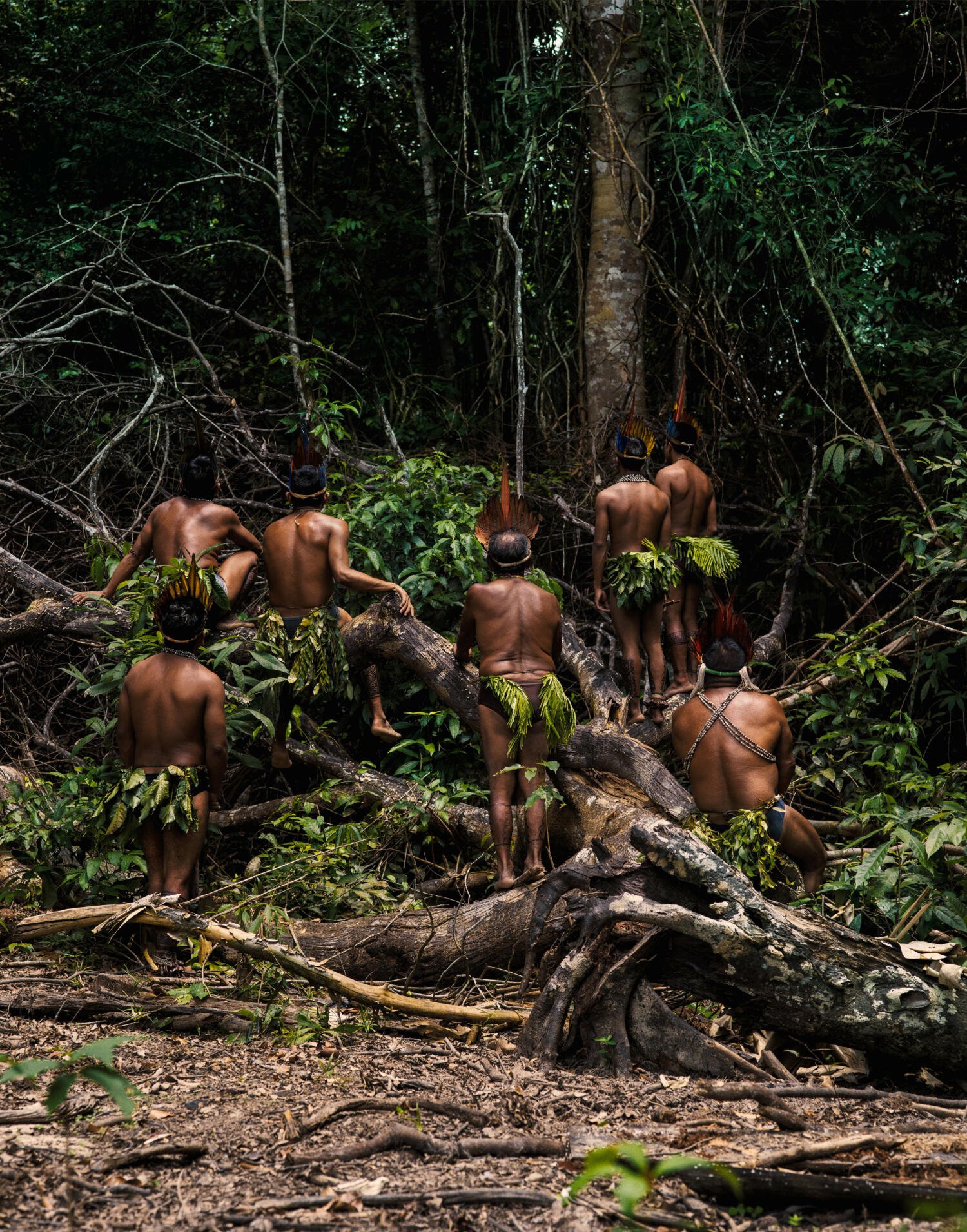
The project emerged from immersion: moving through cities, landscapes, and eventually deep into the Amazon, where indigenous communities continue to live in close relationship with nature. My role was art direction and narrative curation, shaping how the images speak together as a body of work.
Art Direction • Visual Curation • Narrative Development
Immersion as Method
BATISMO was not approached as a documentary in the traditional sense, but as a sensory experience. Time, presence, and observation shaped the work. The journey itself became the framework for the narrative.
Being in Brazil for the first time, I was deeply affected by the intensity of the land, the people, and the energy, elements that became central to the visual language of the project.
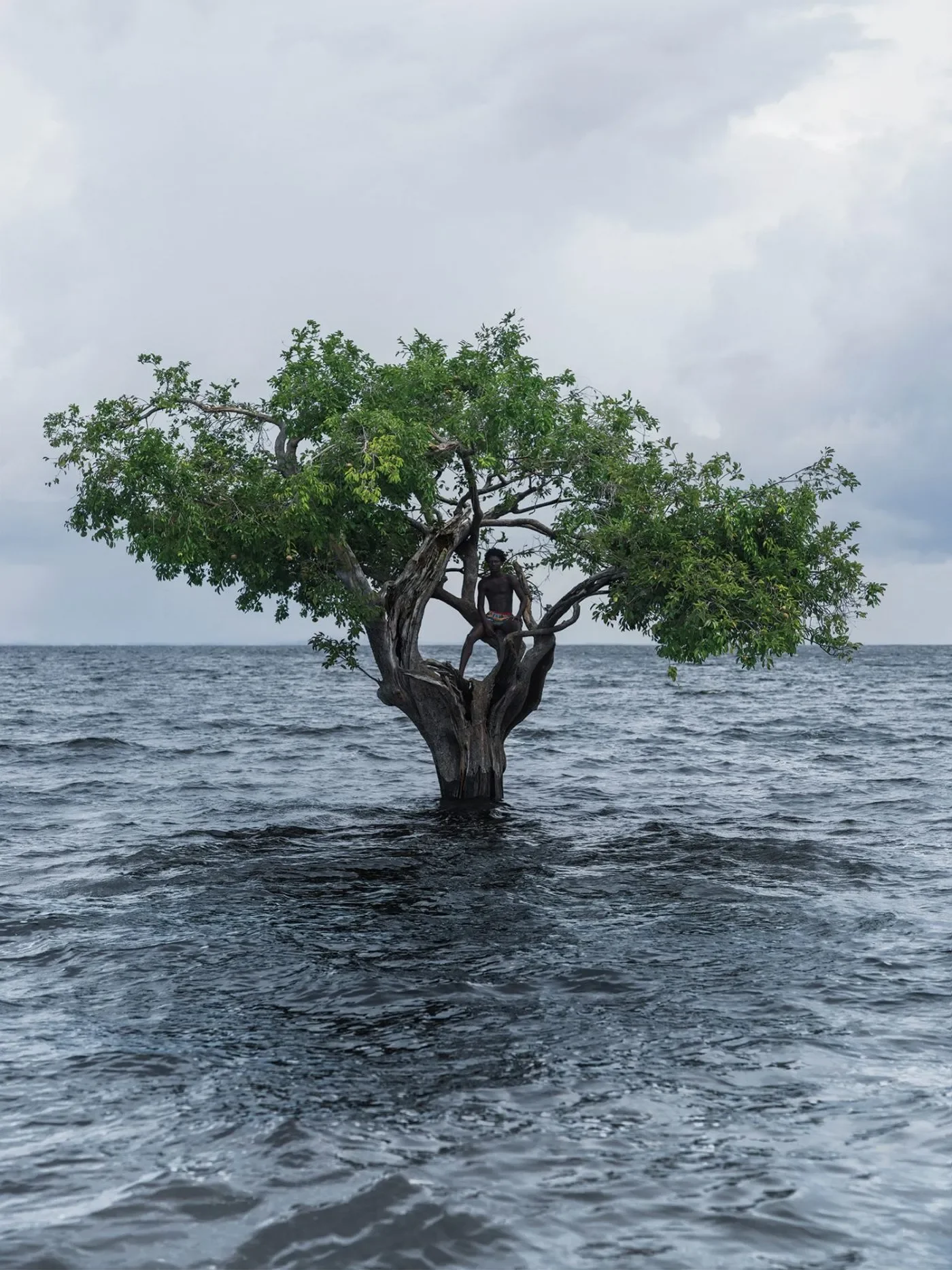
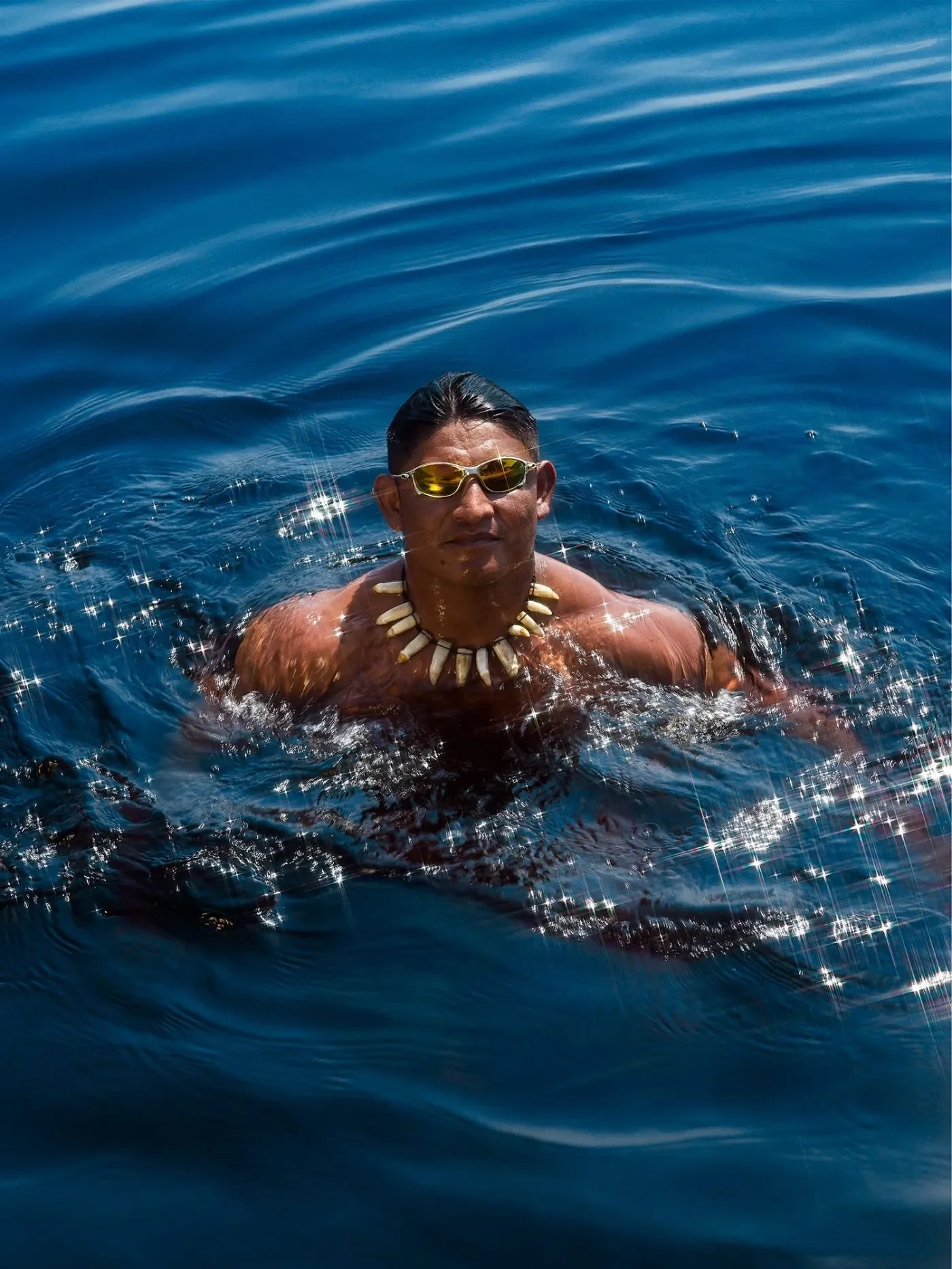
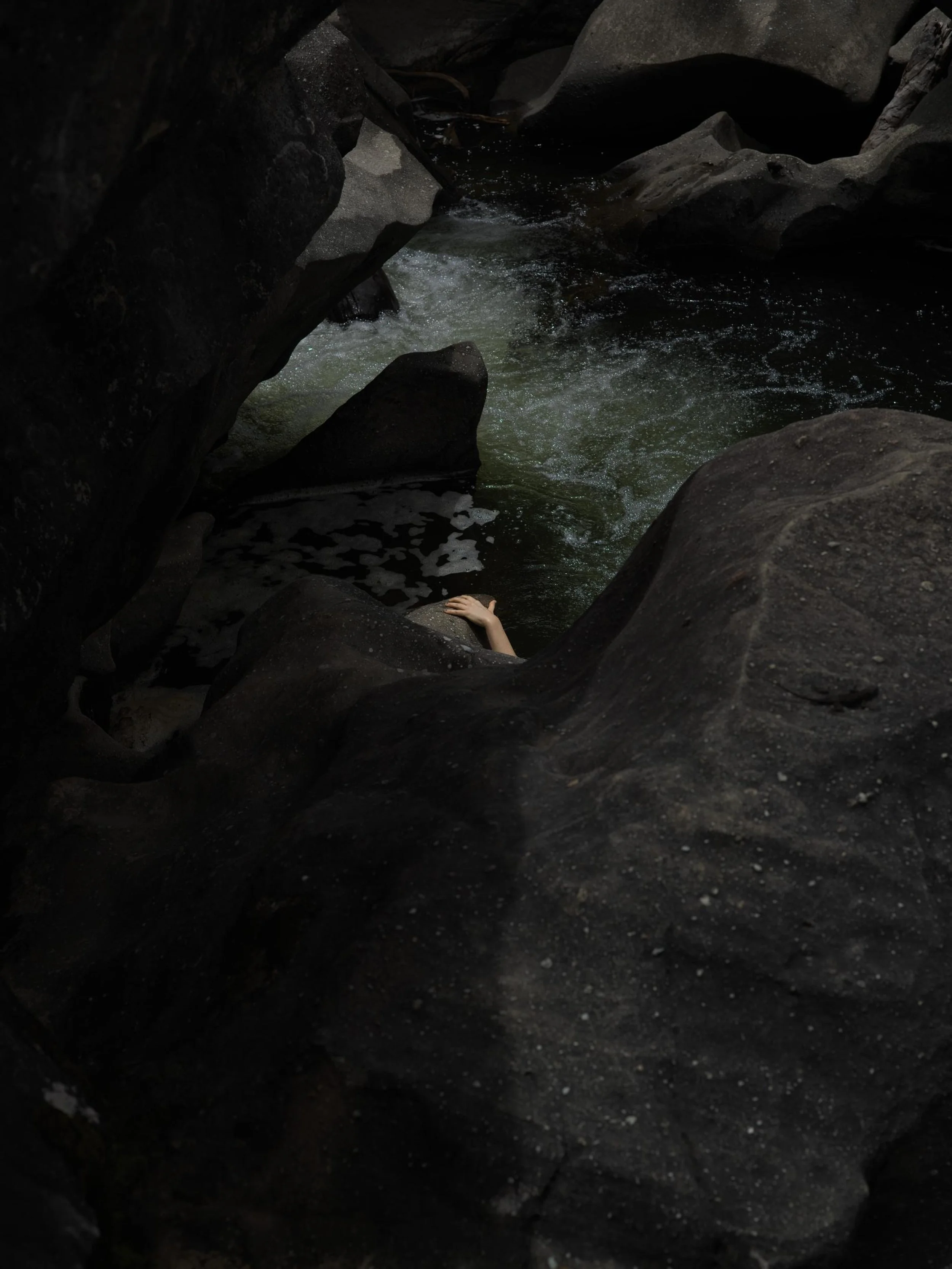
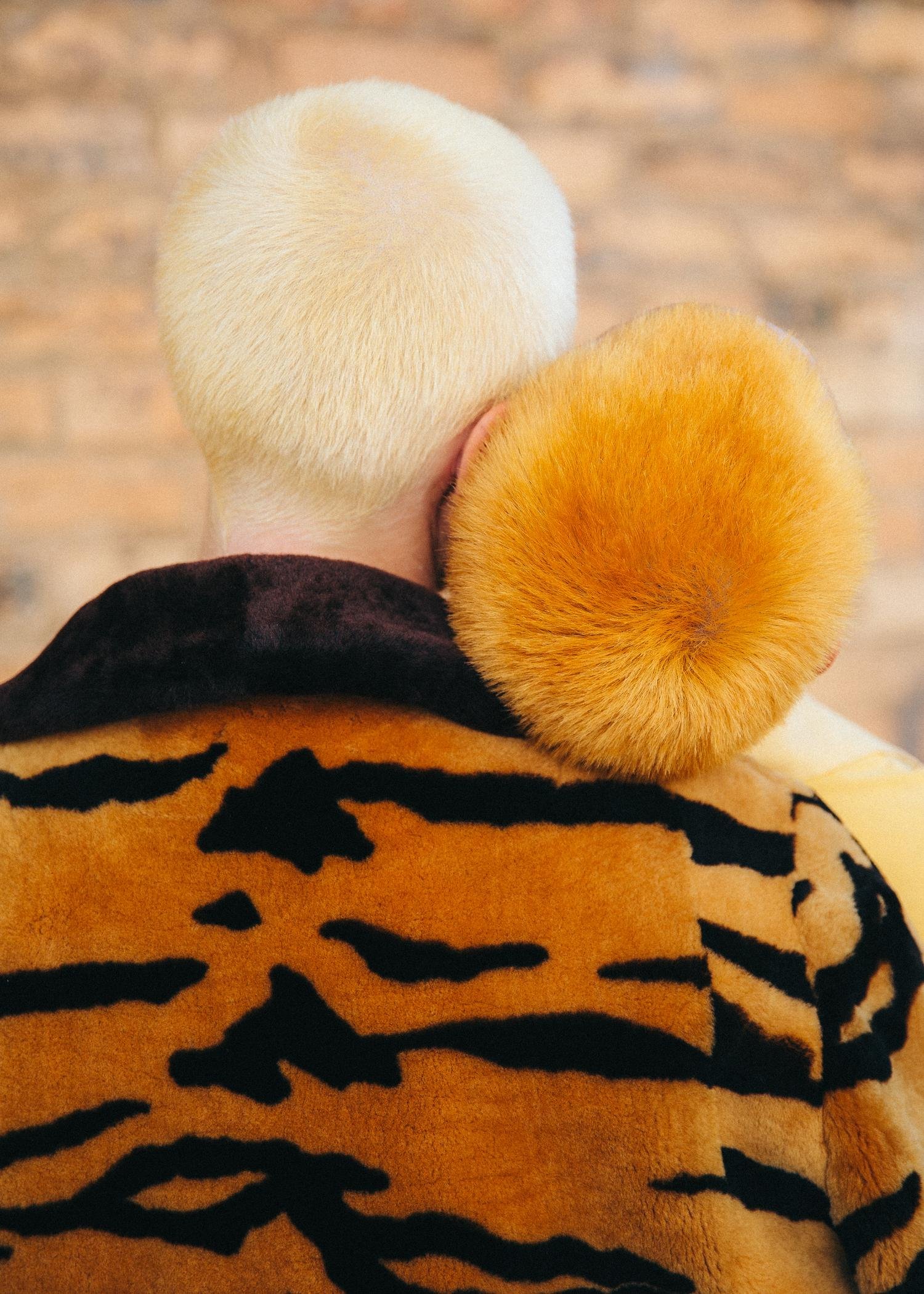
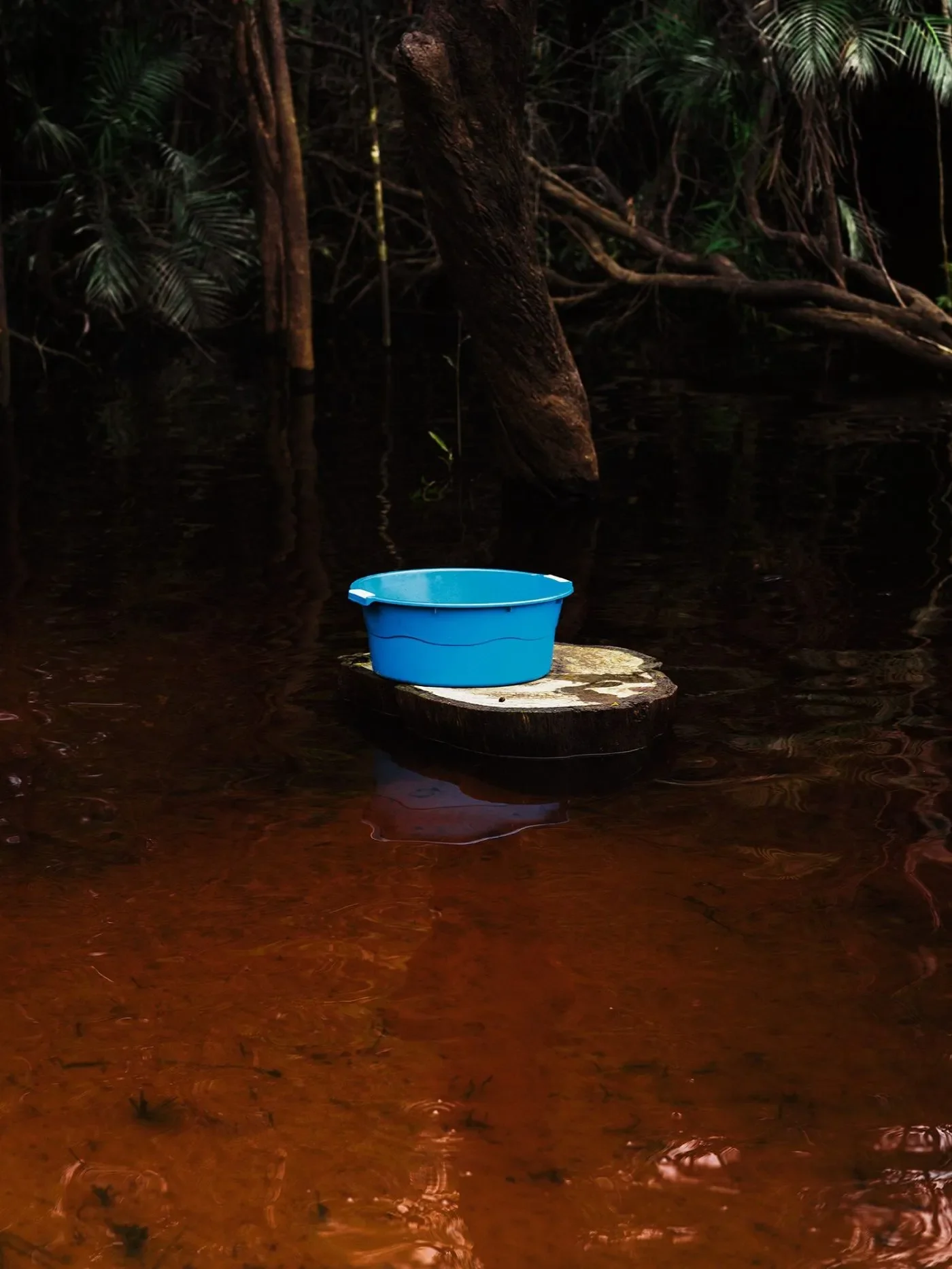
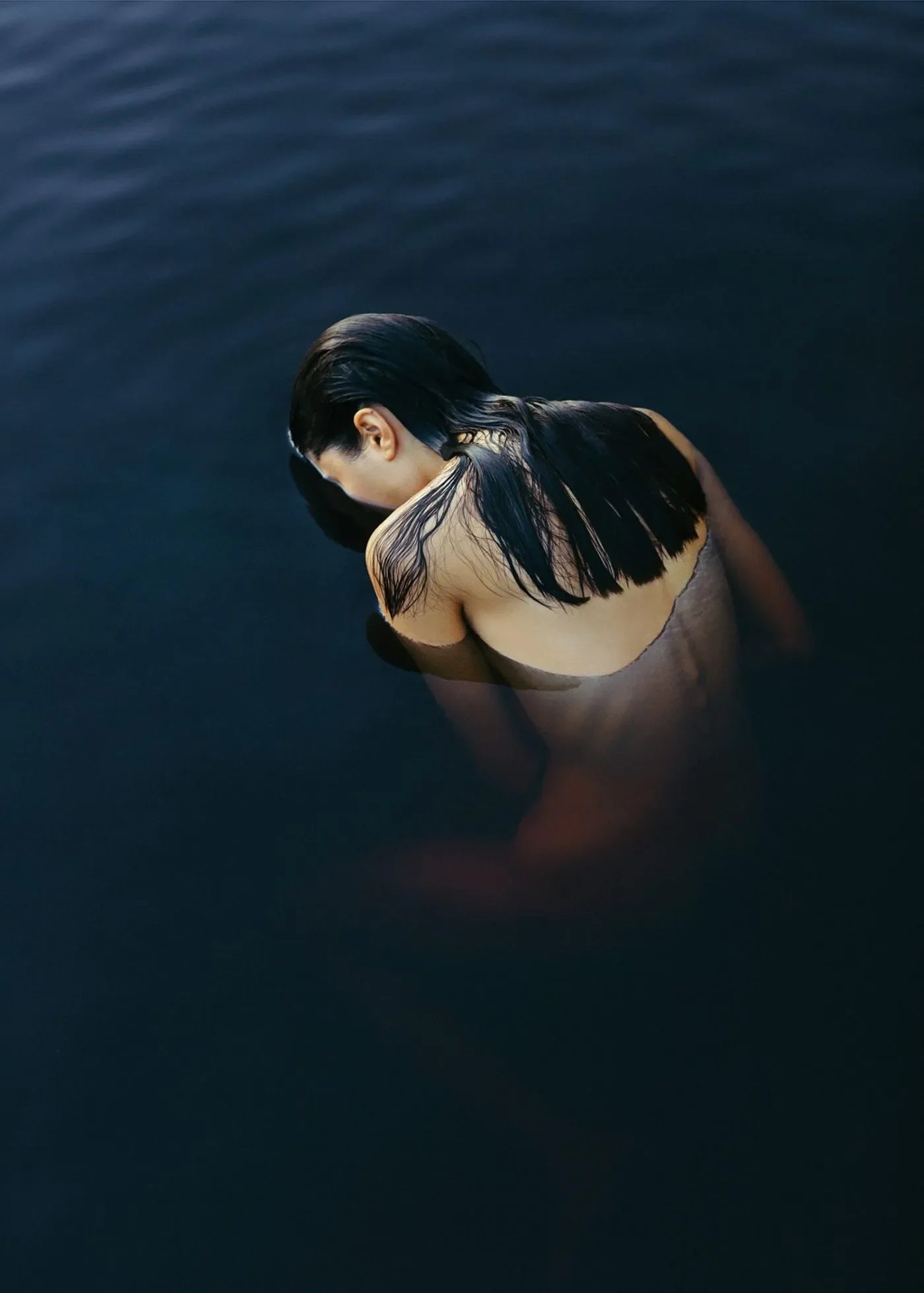
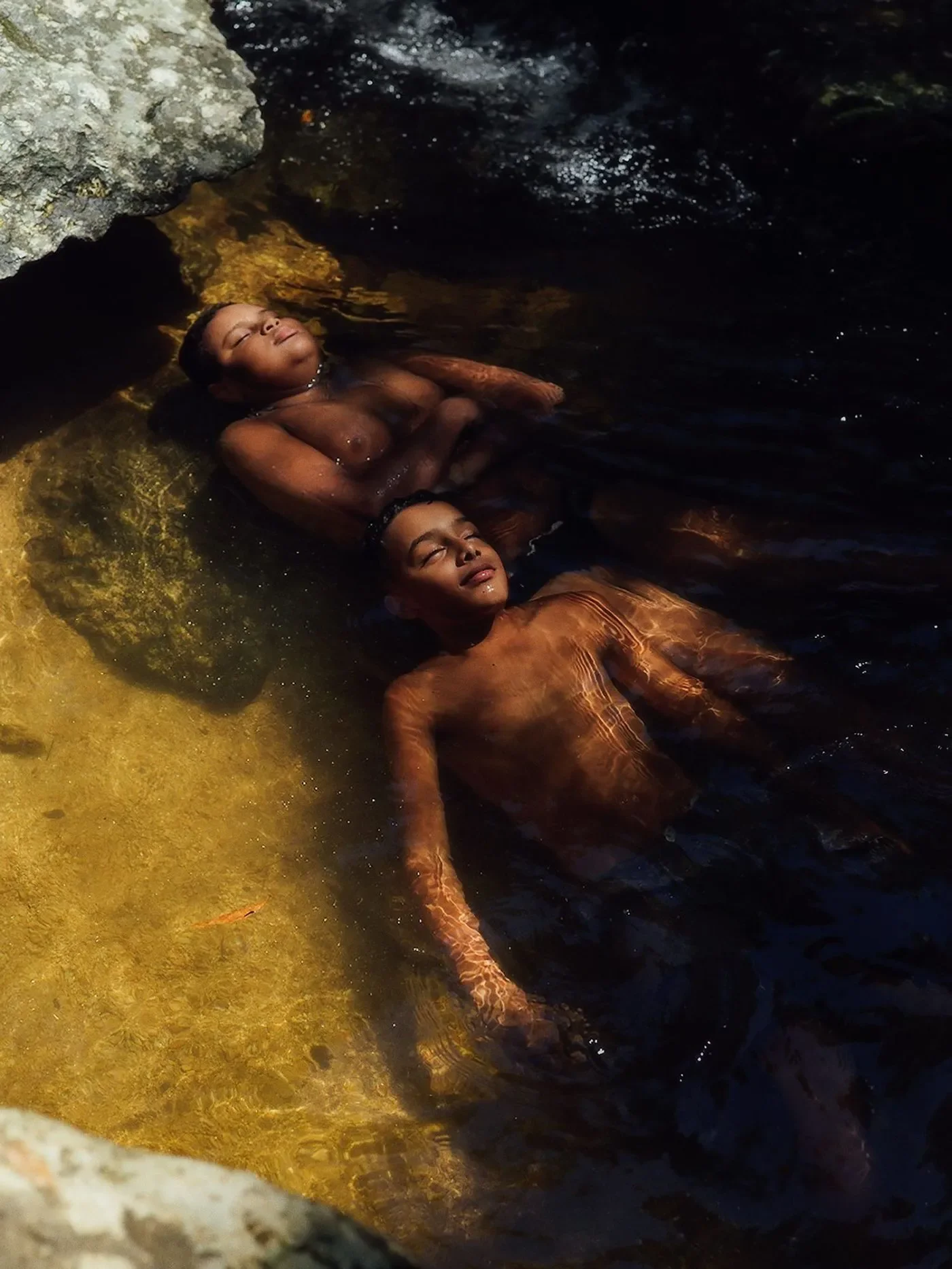
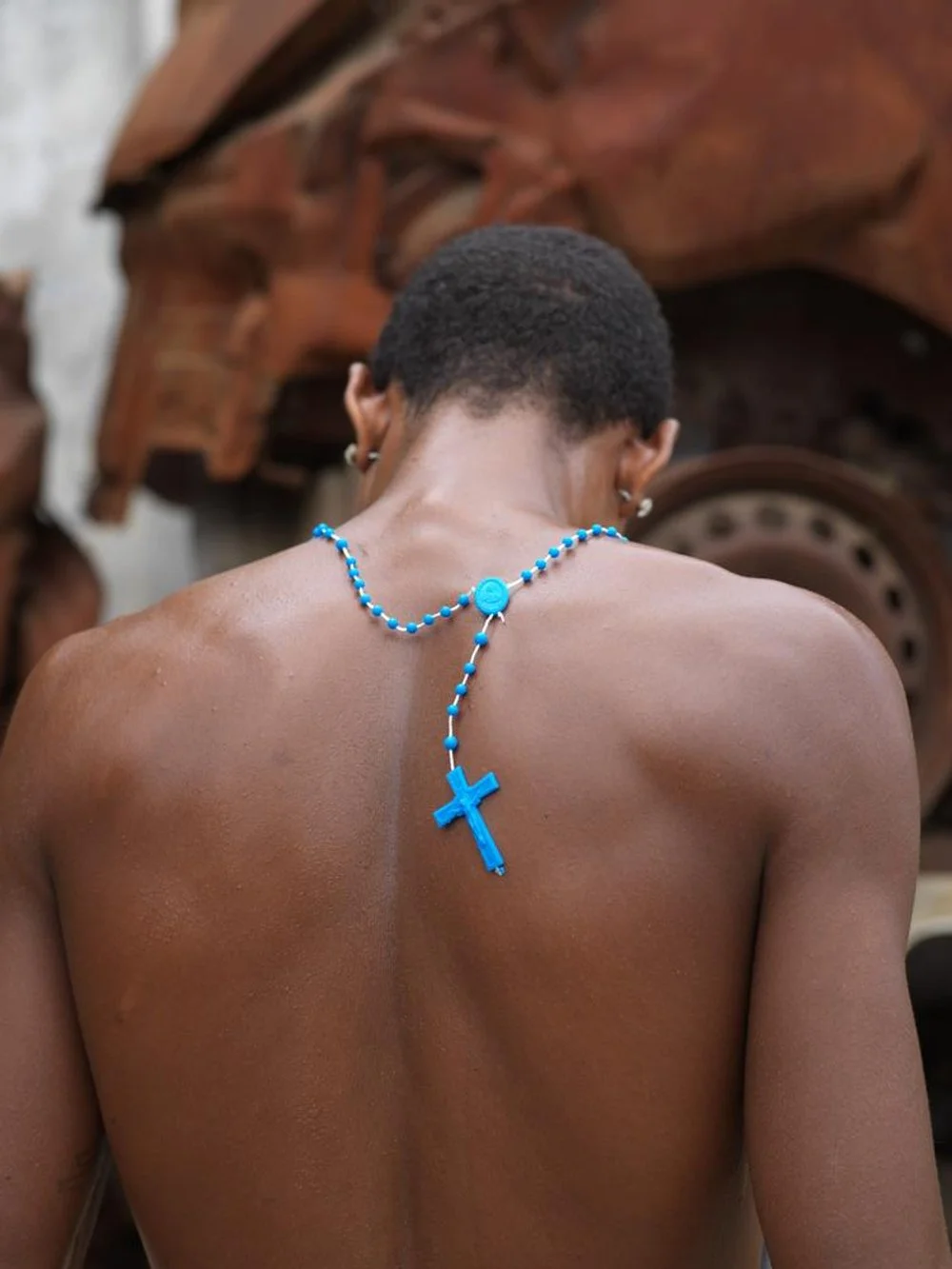
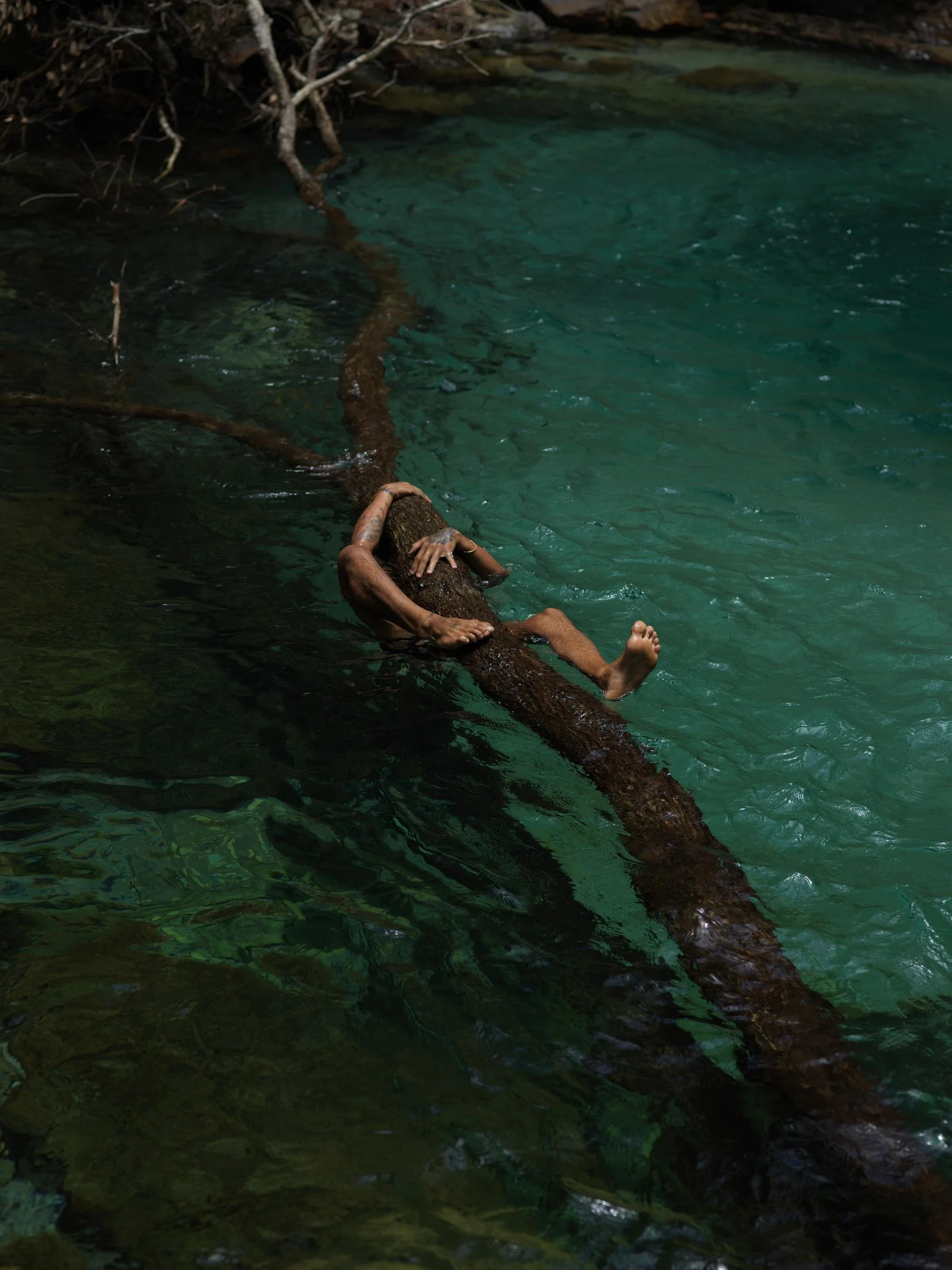
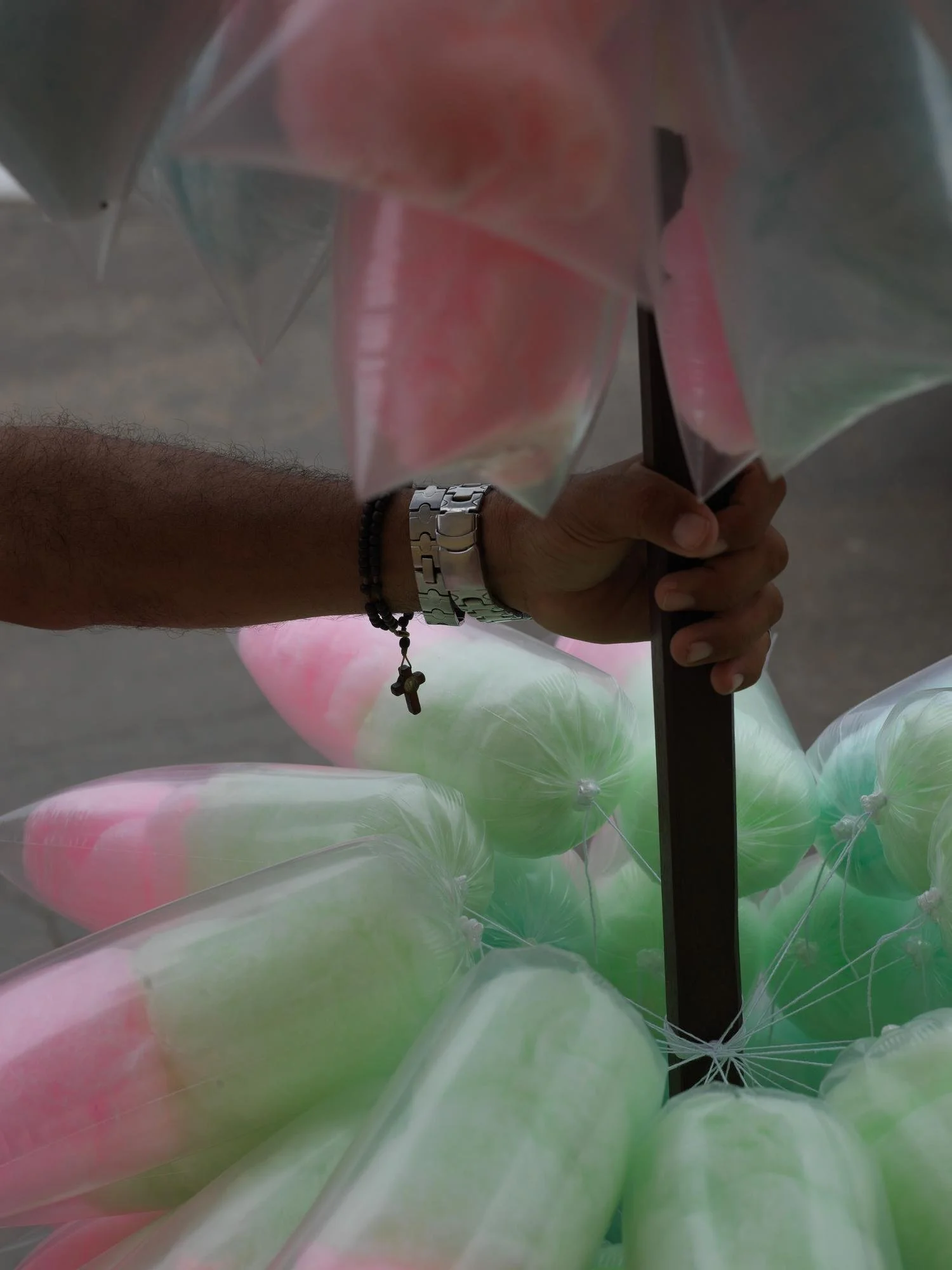
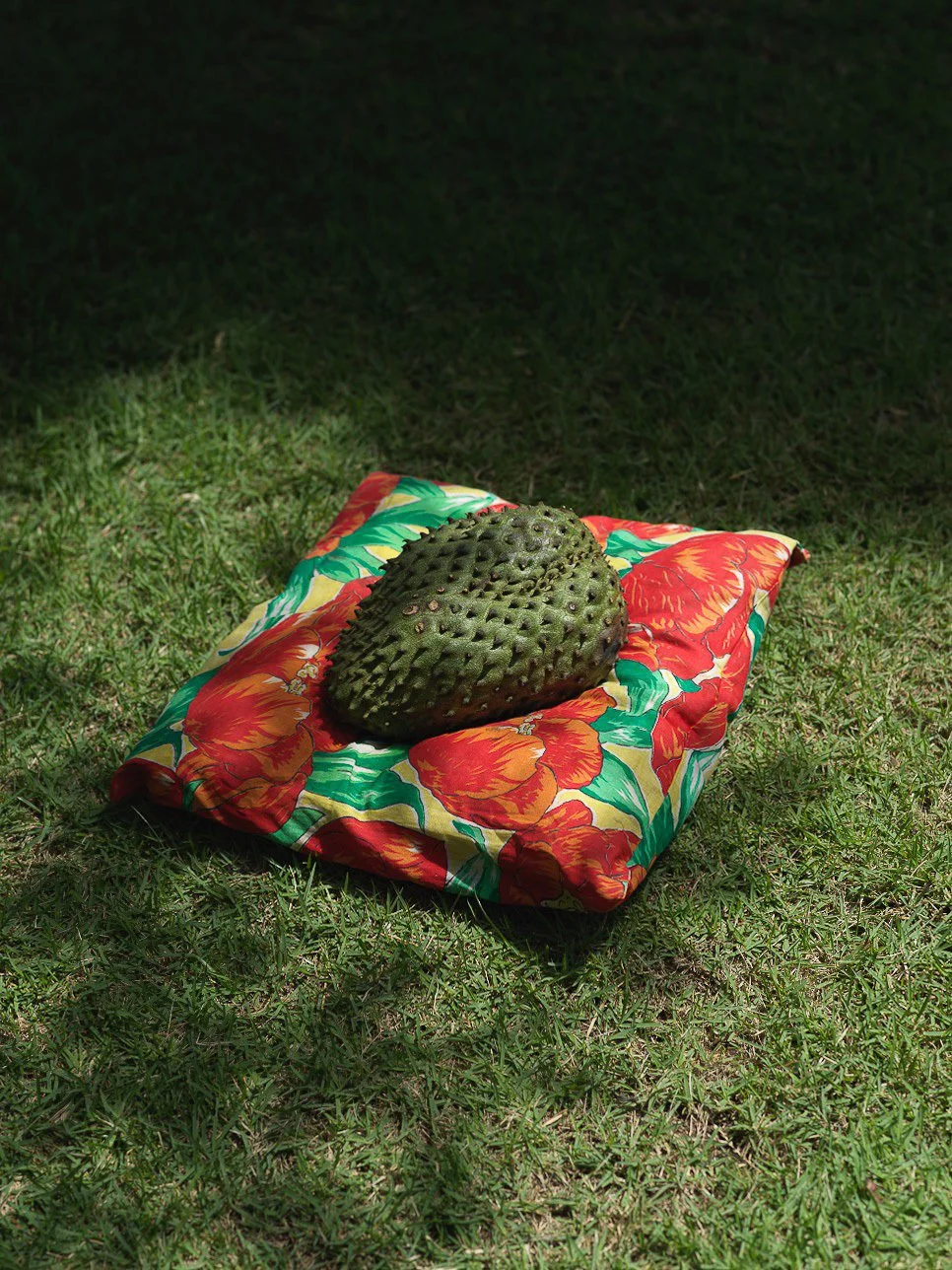
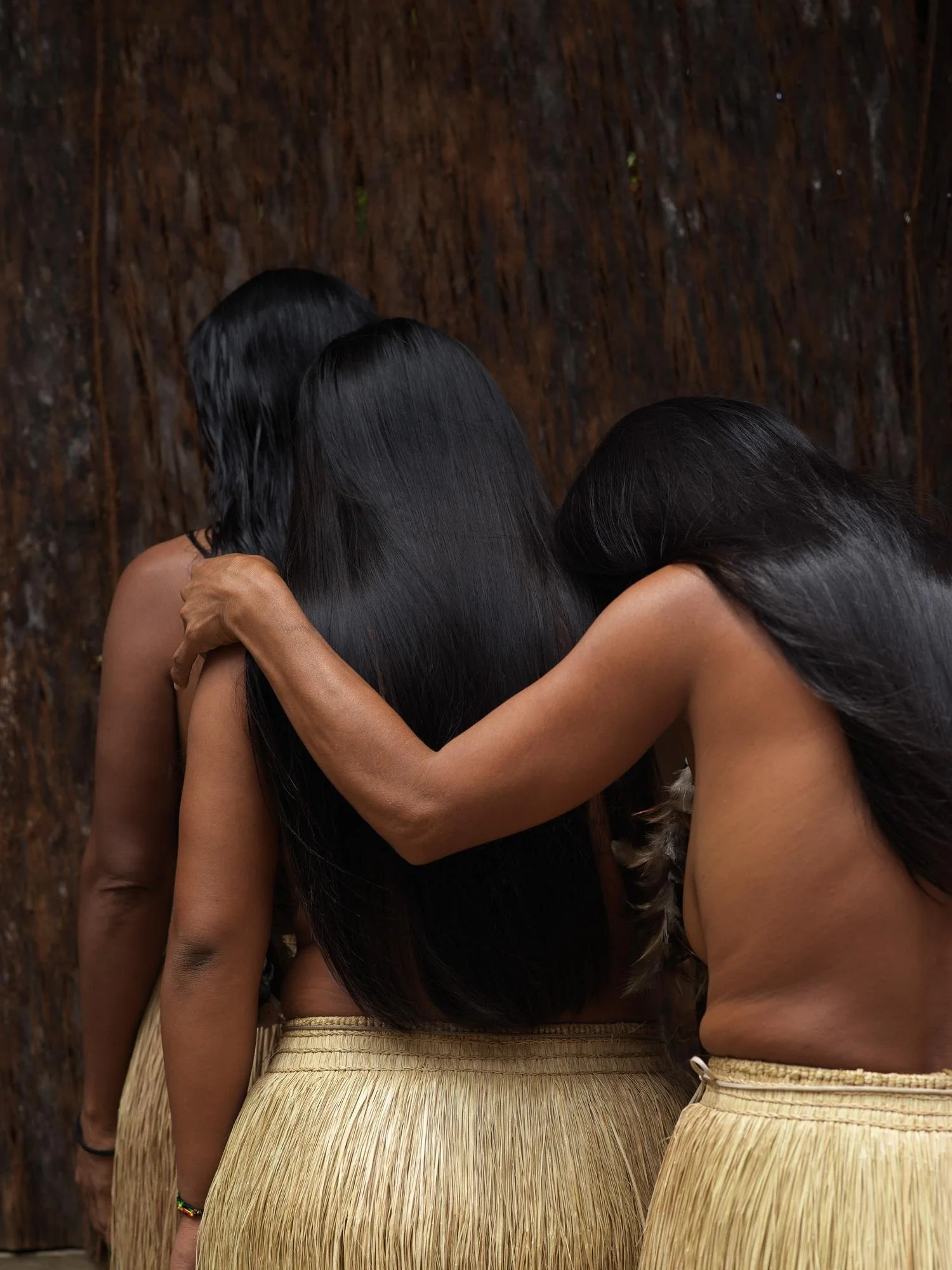
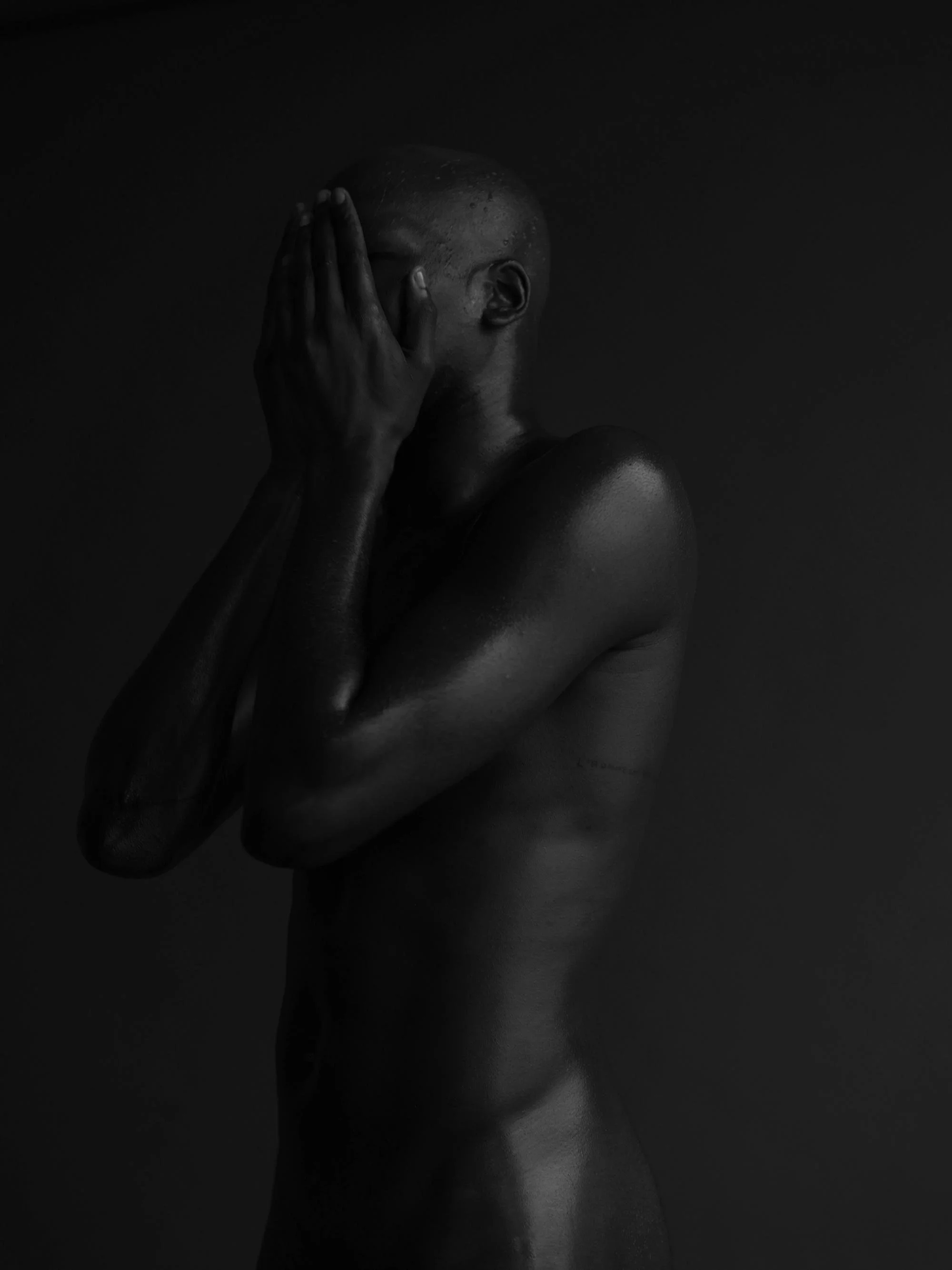
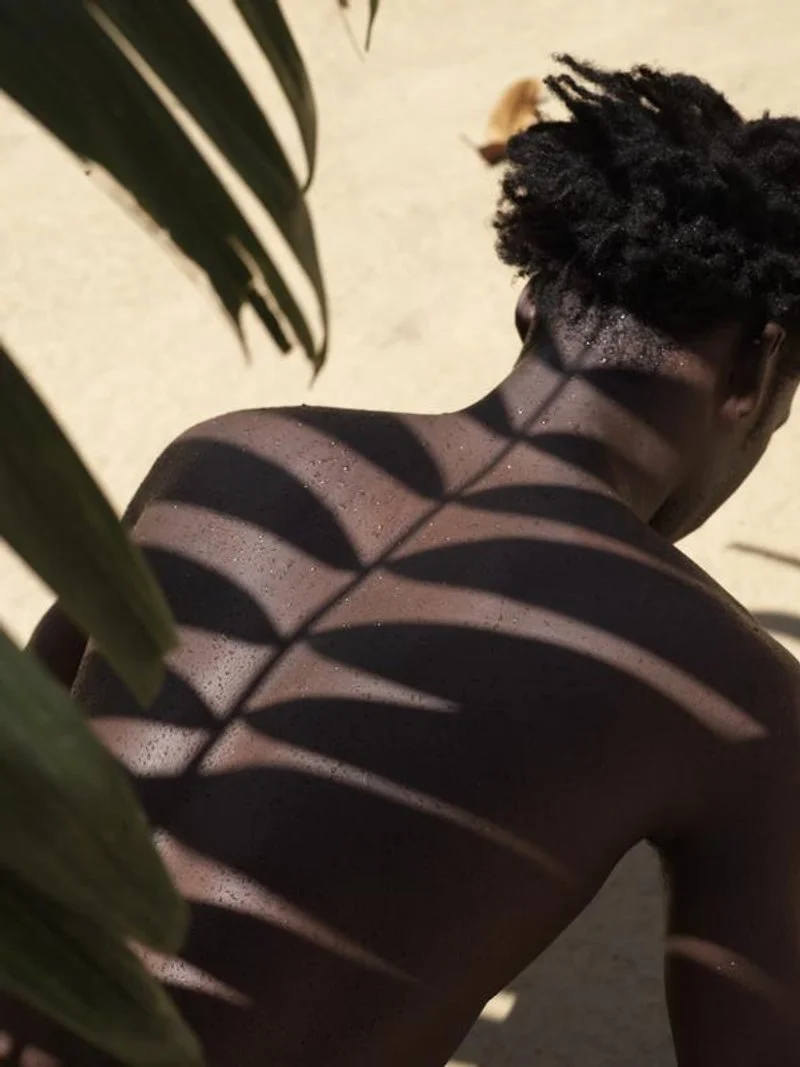
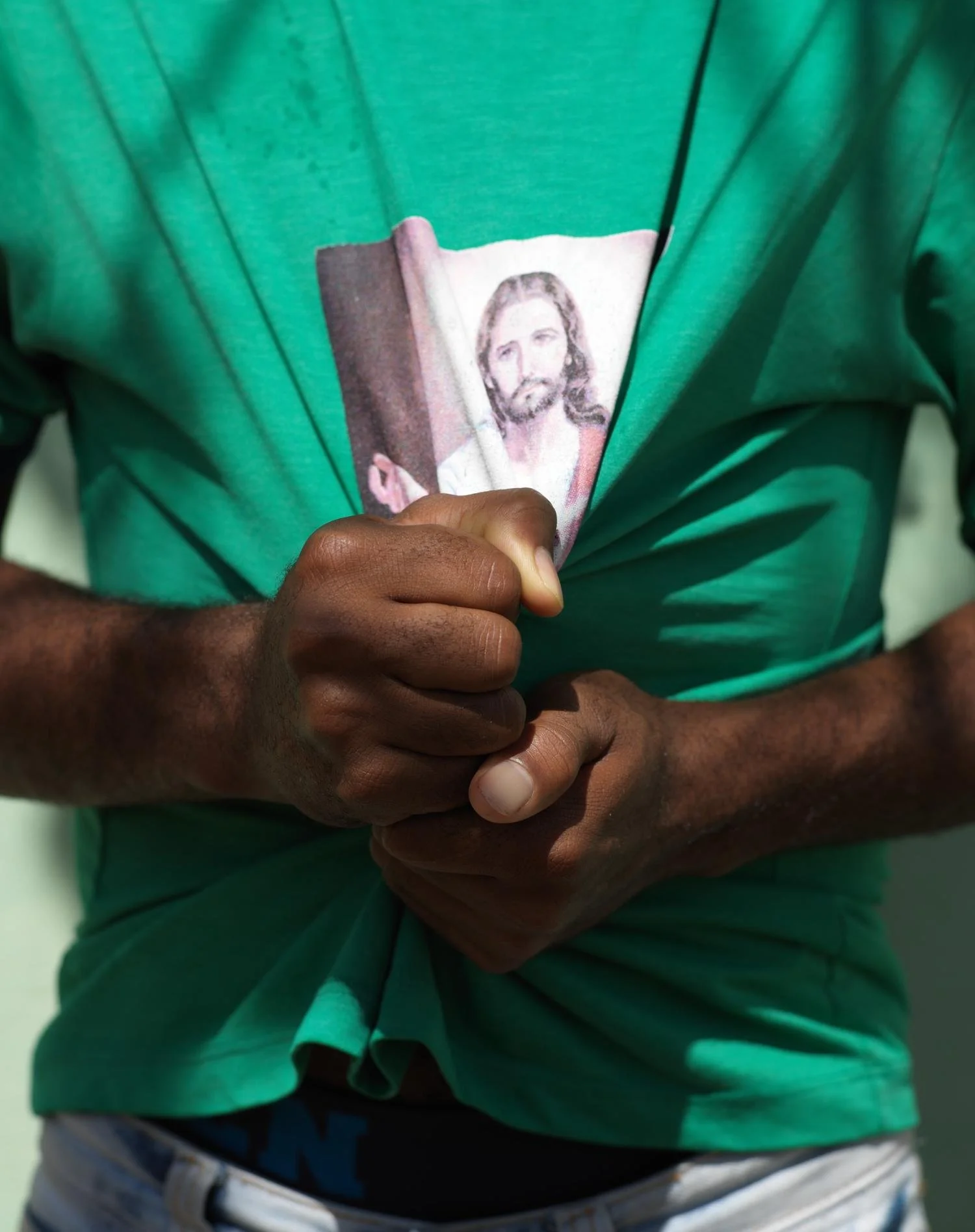
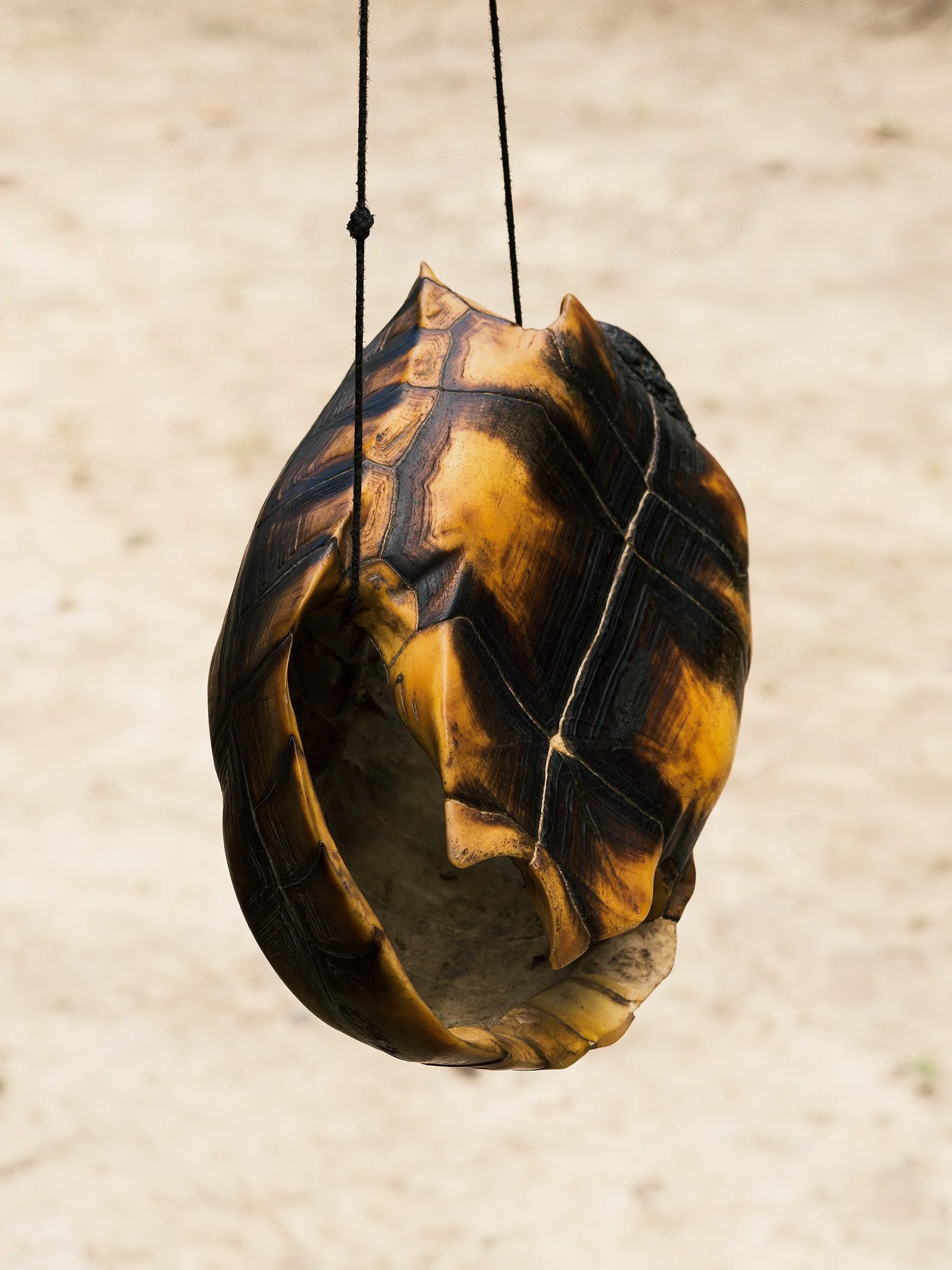
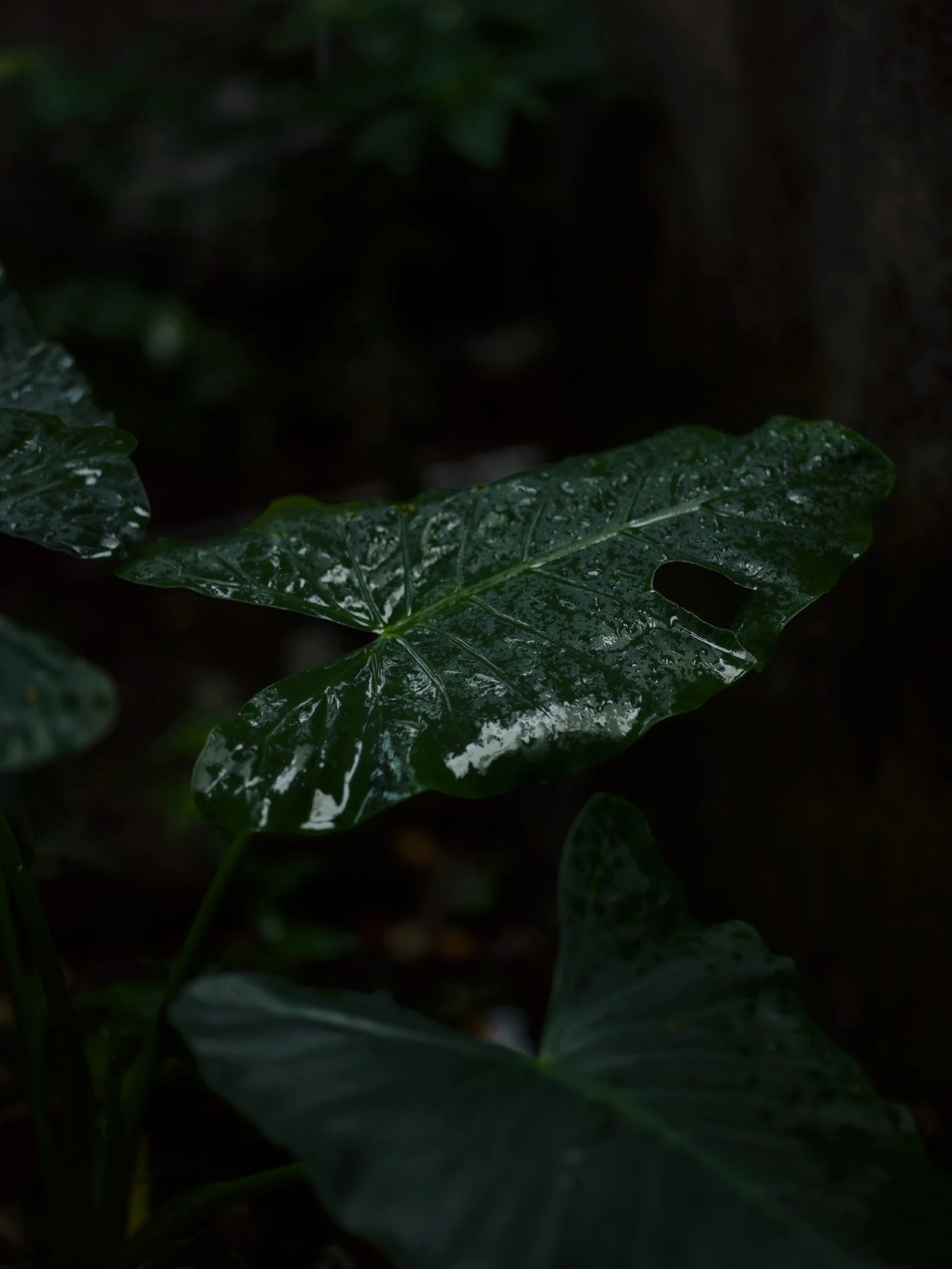
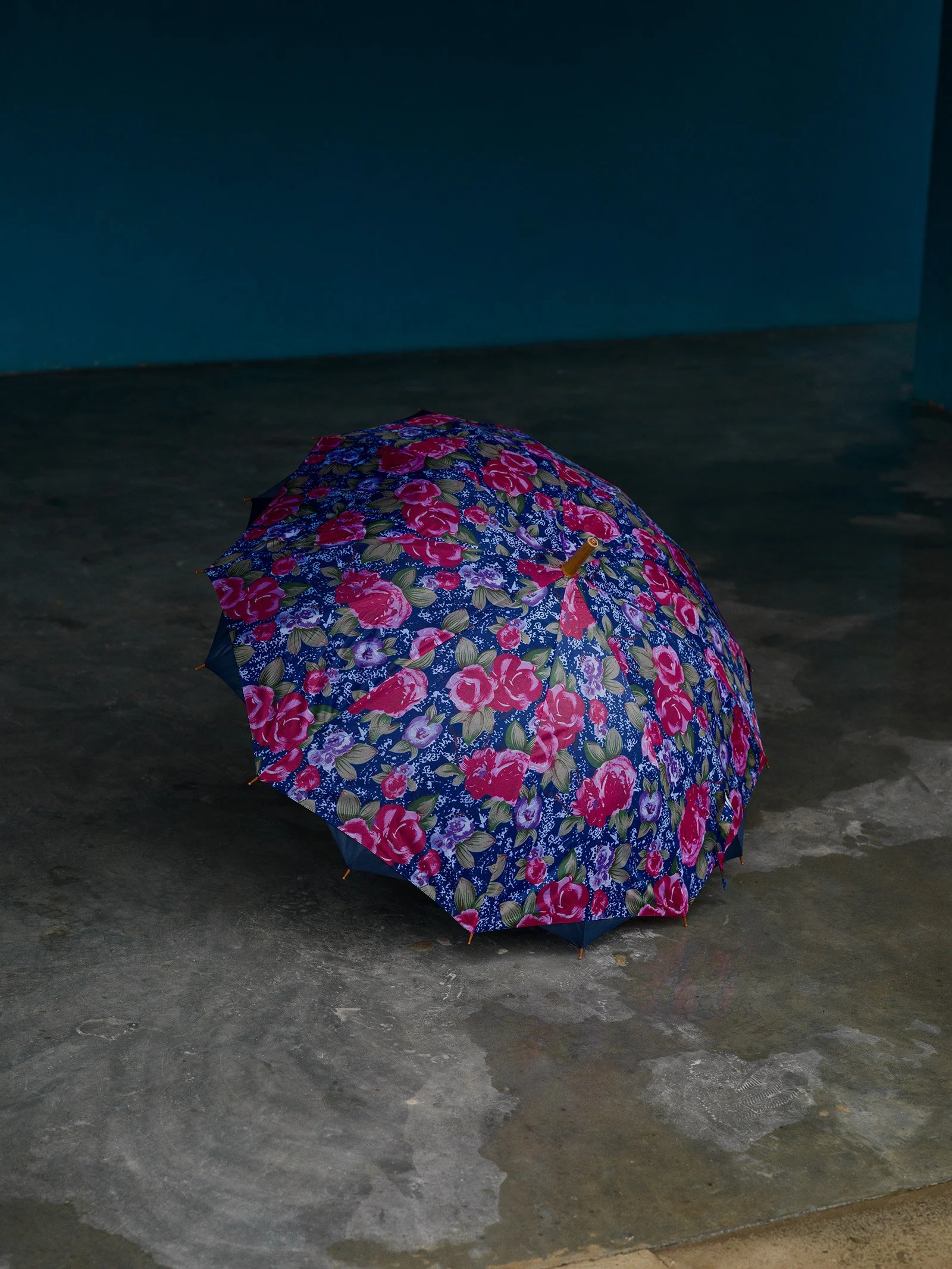
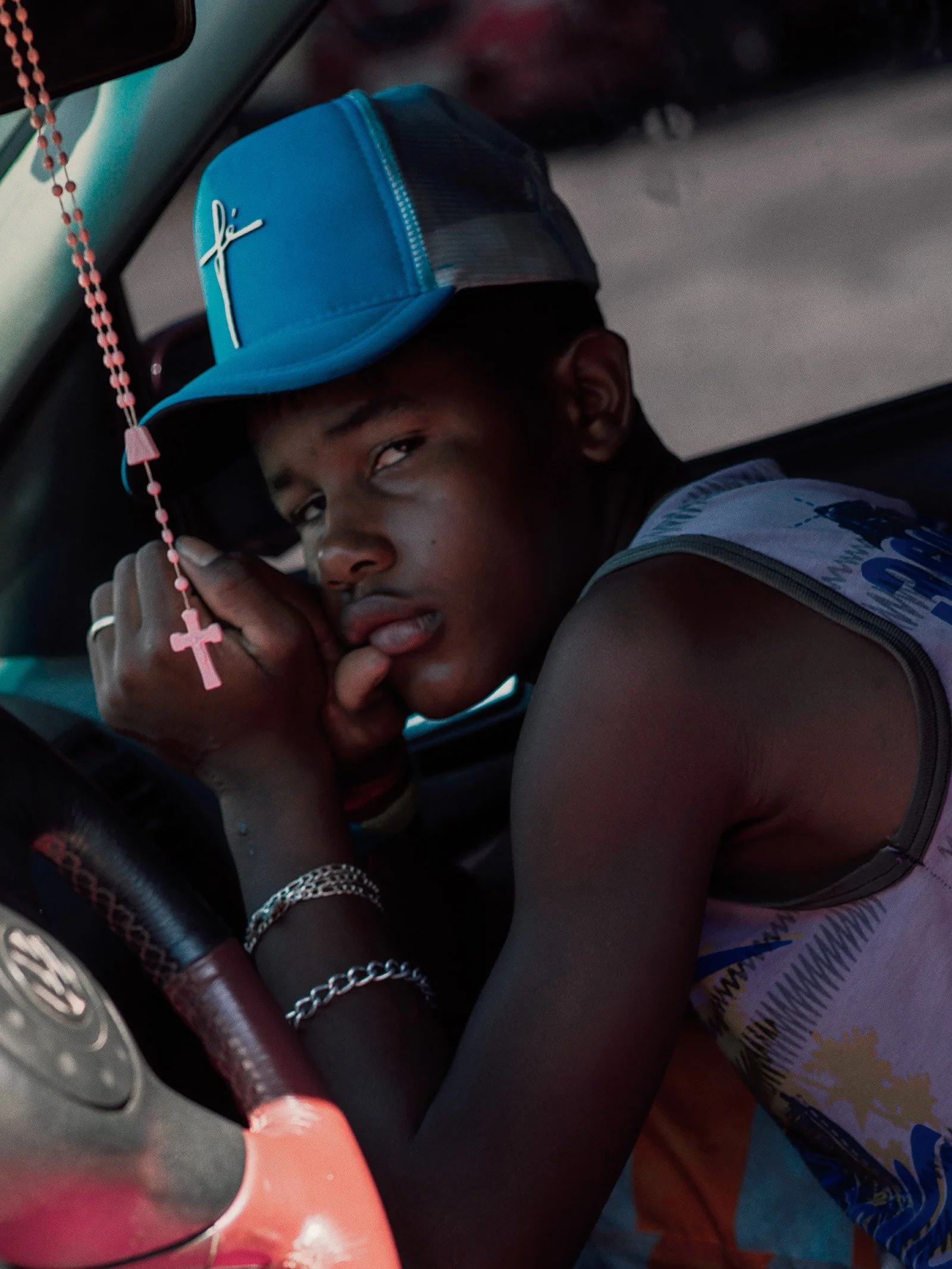
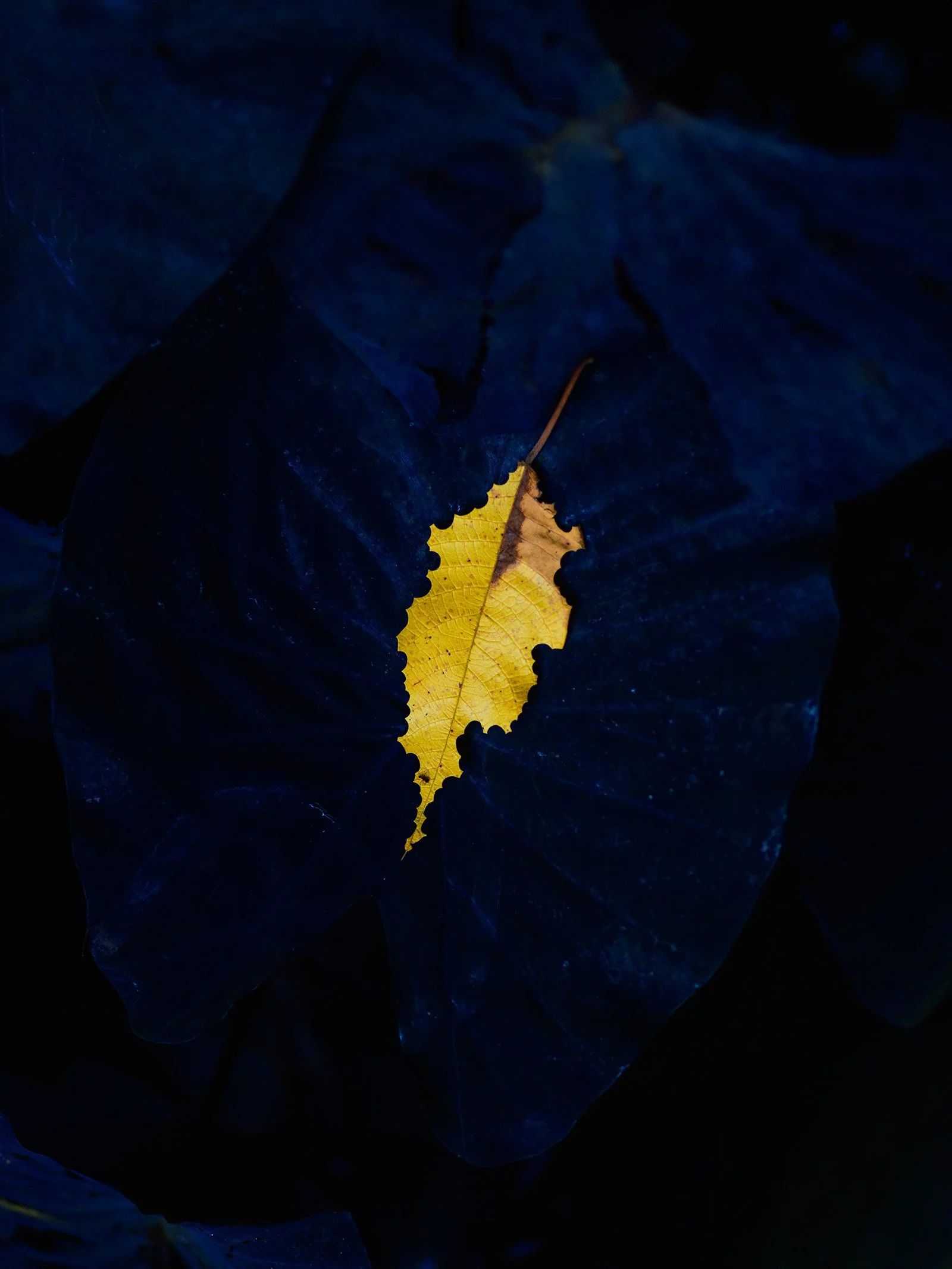
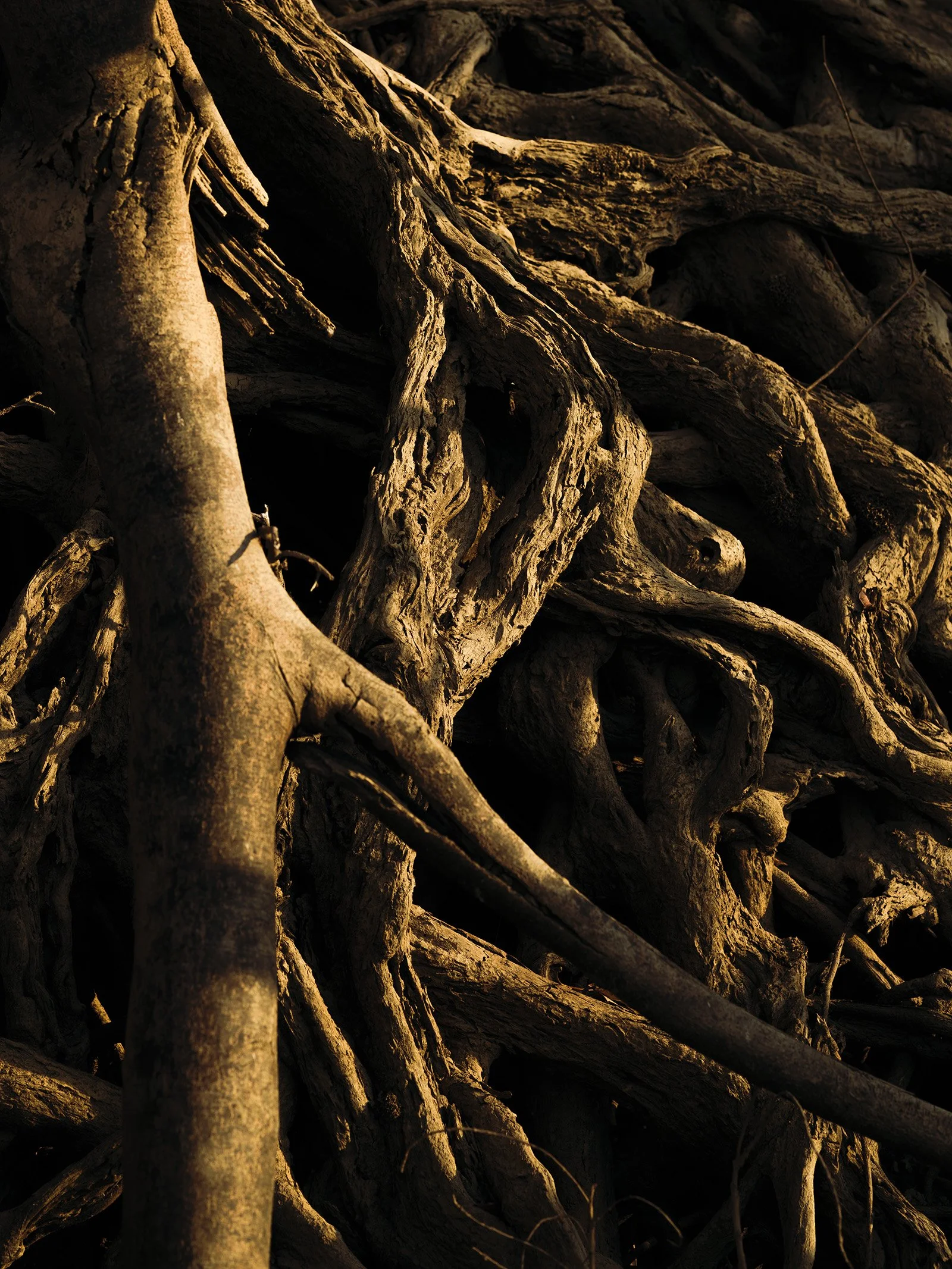
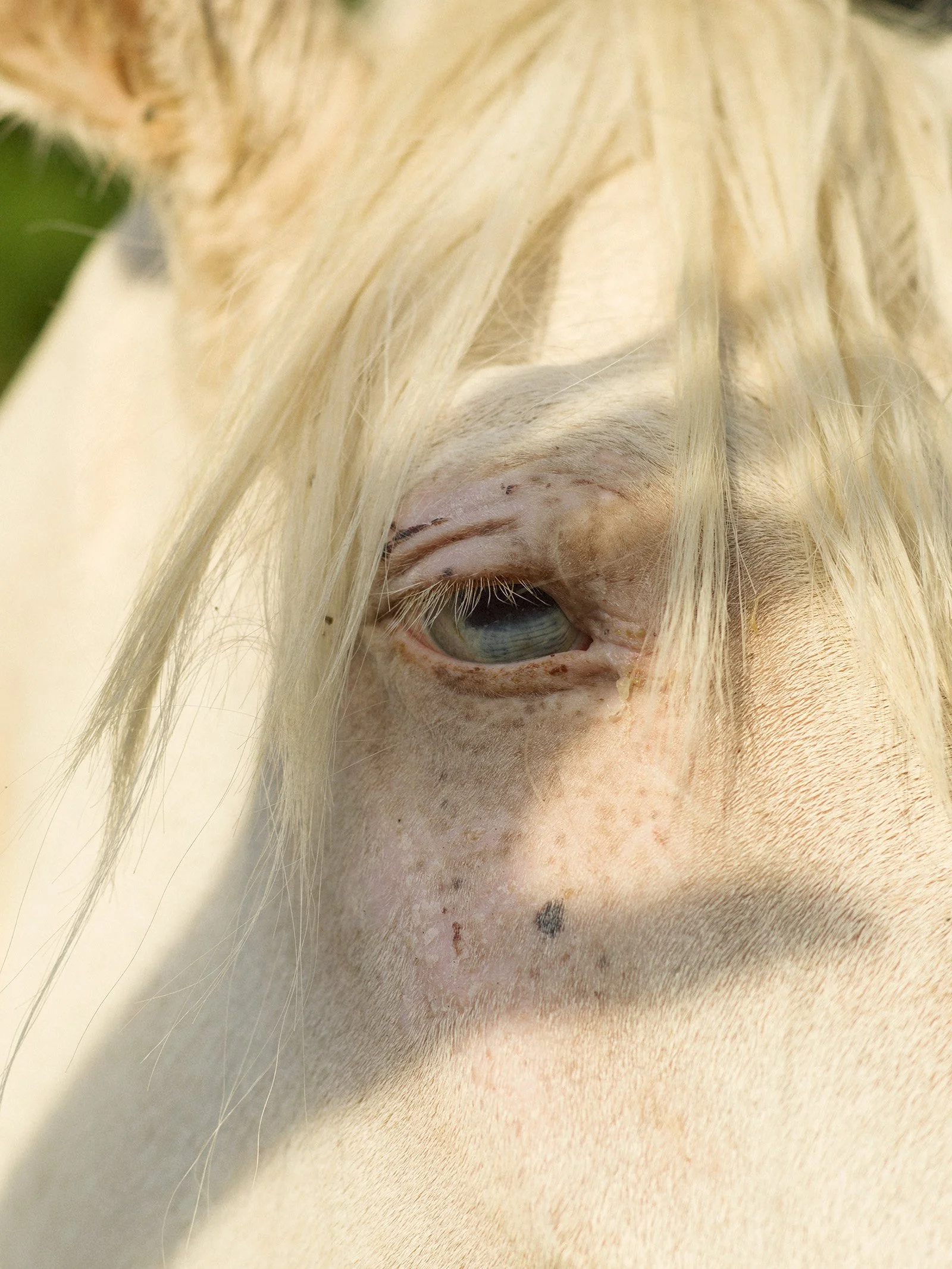
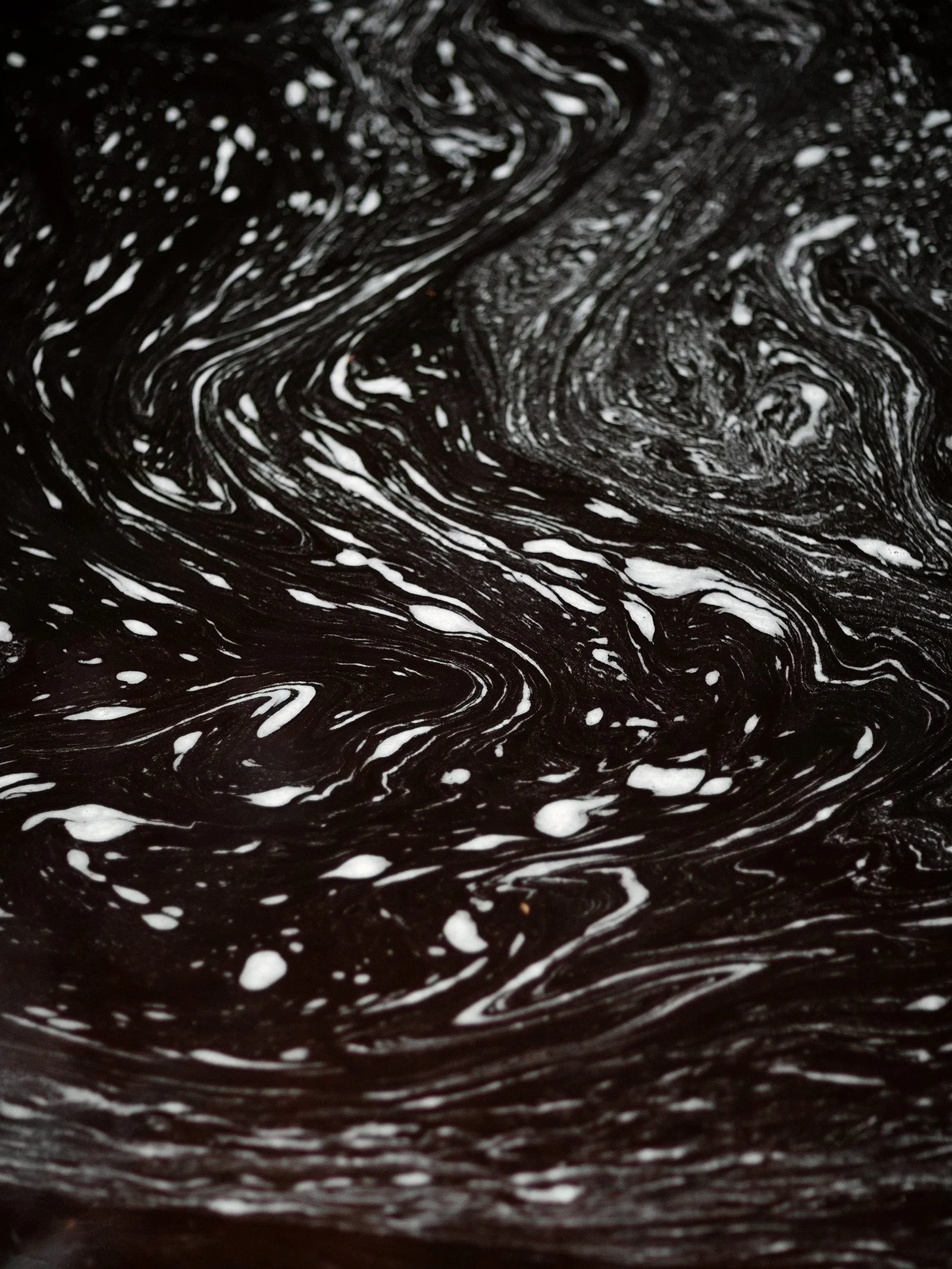
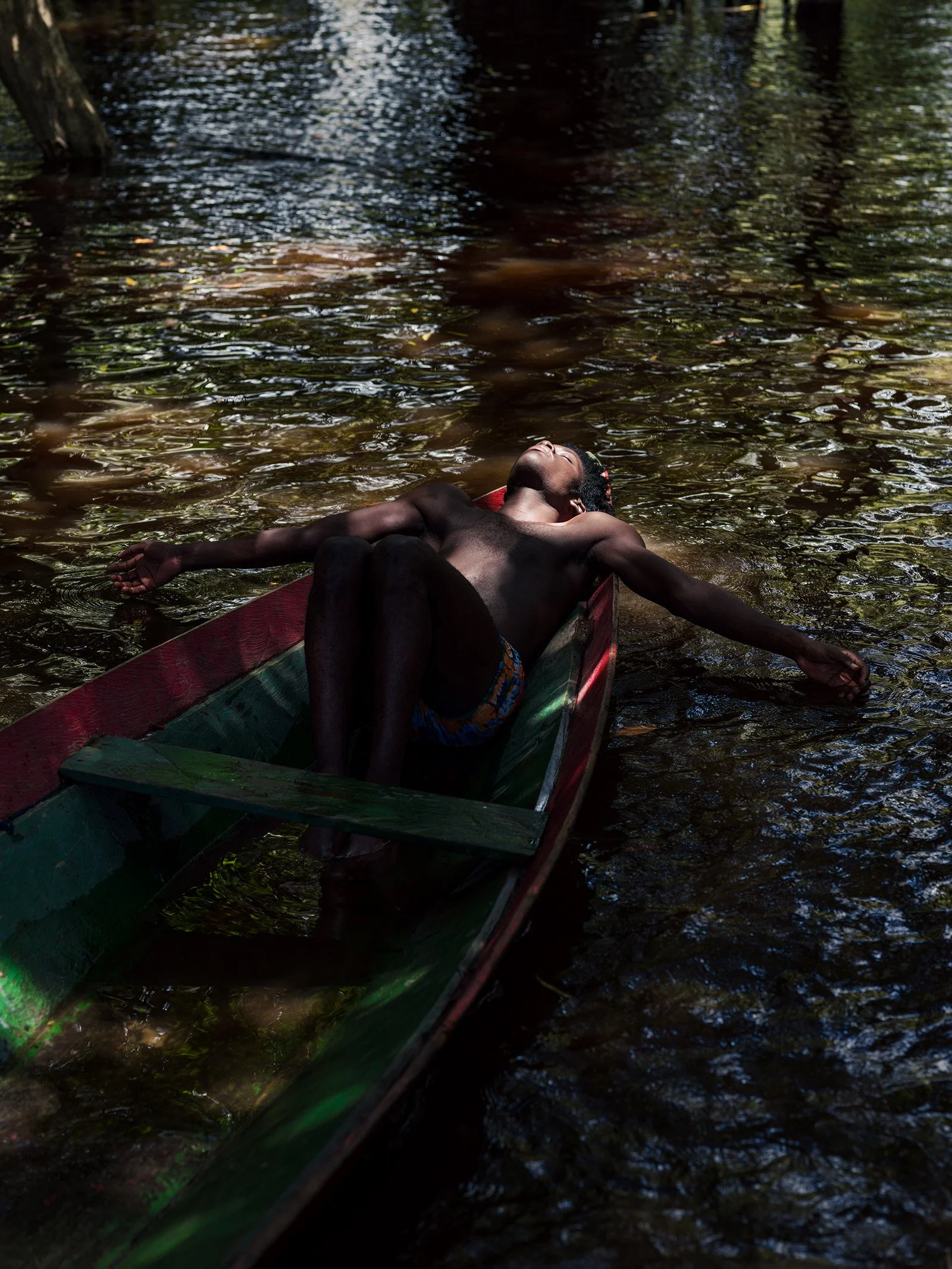
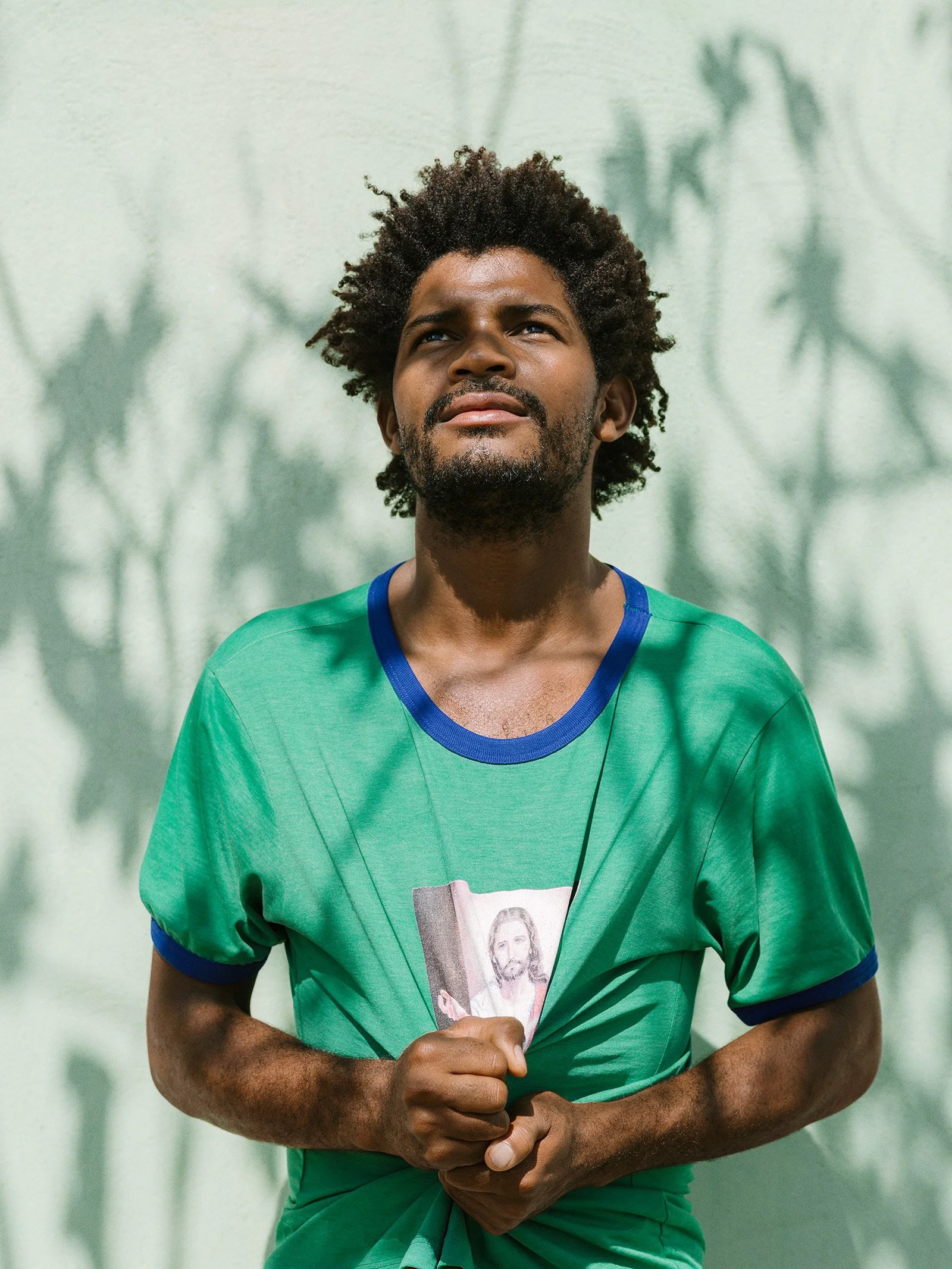
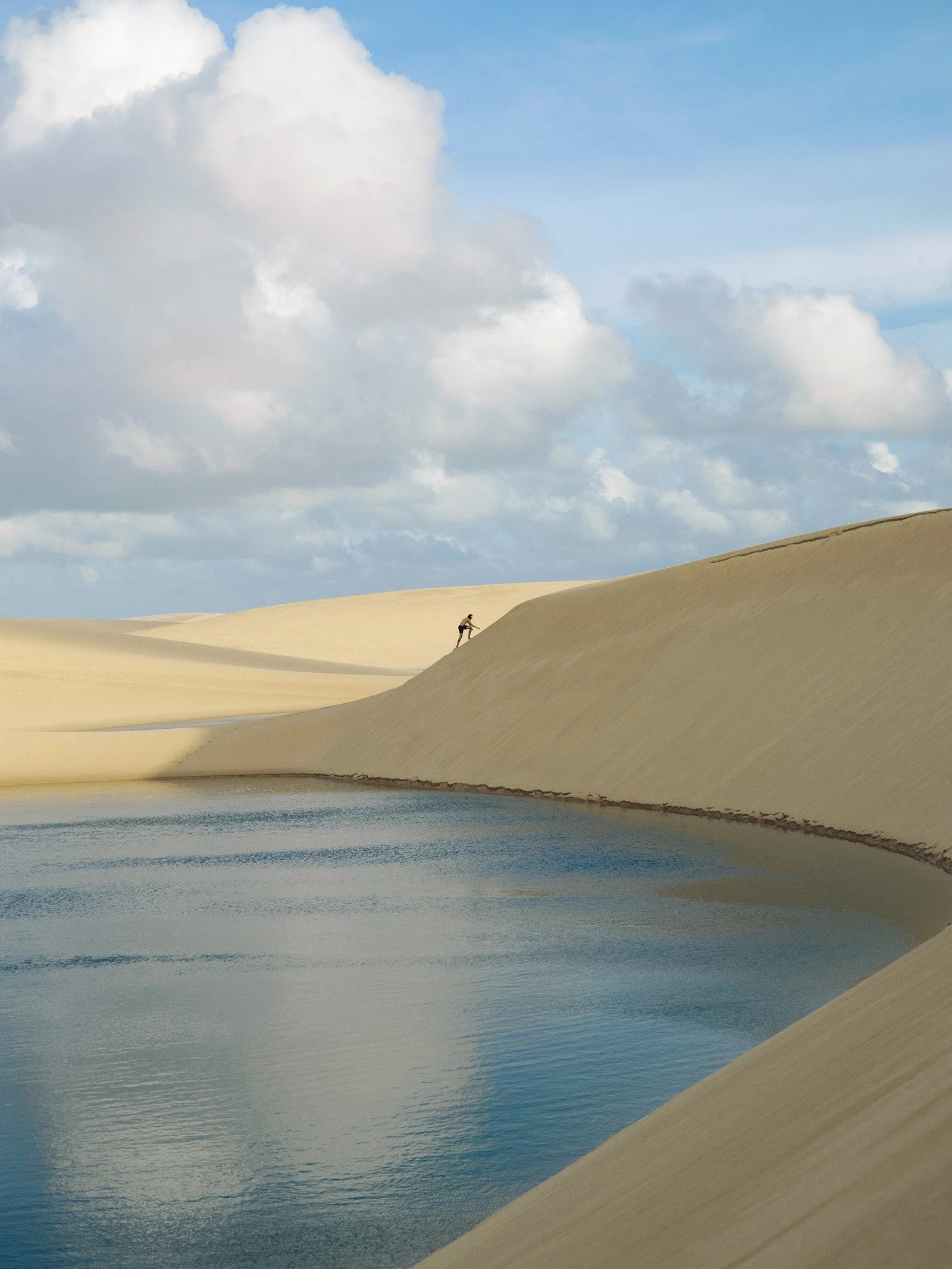
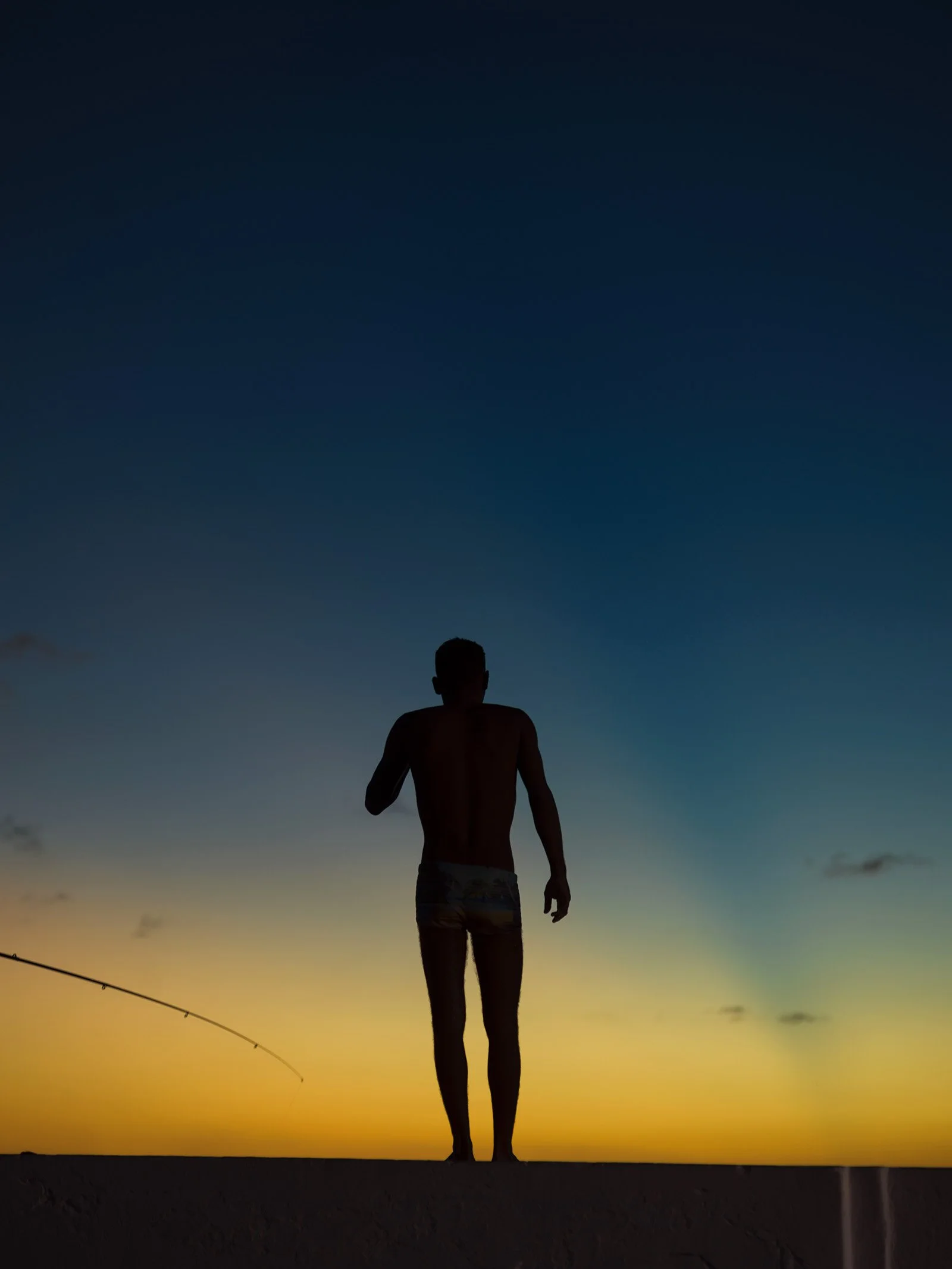
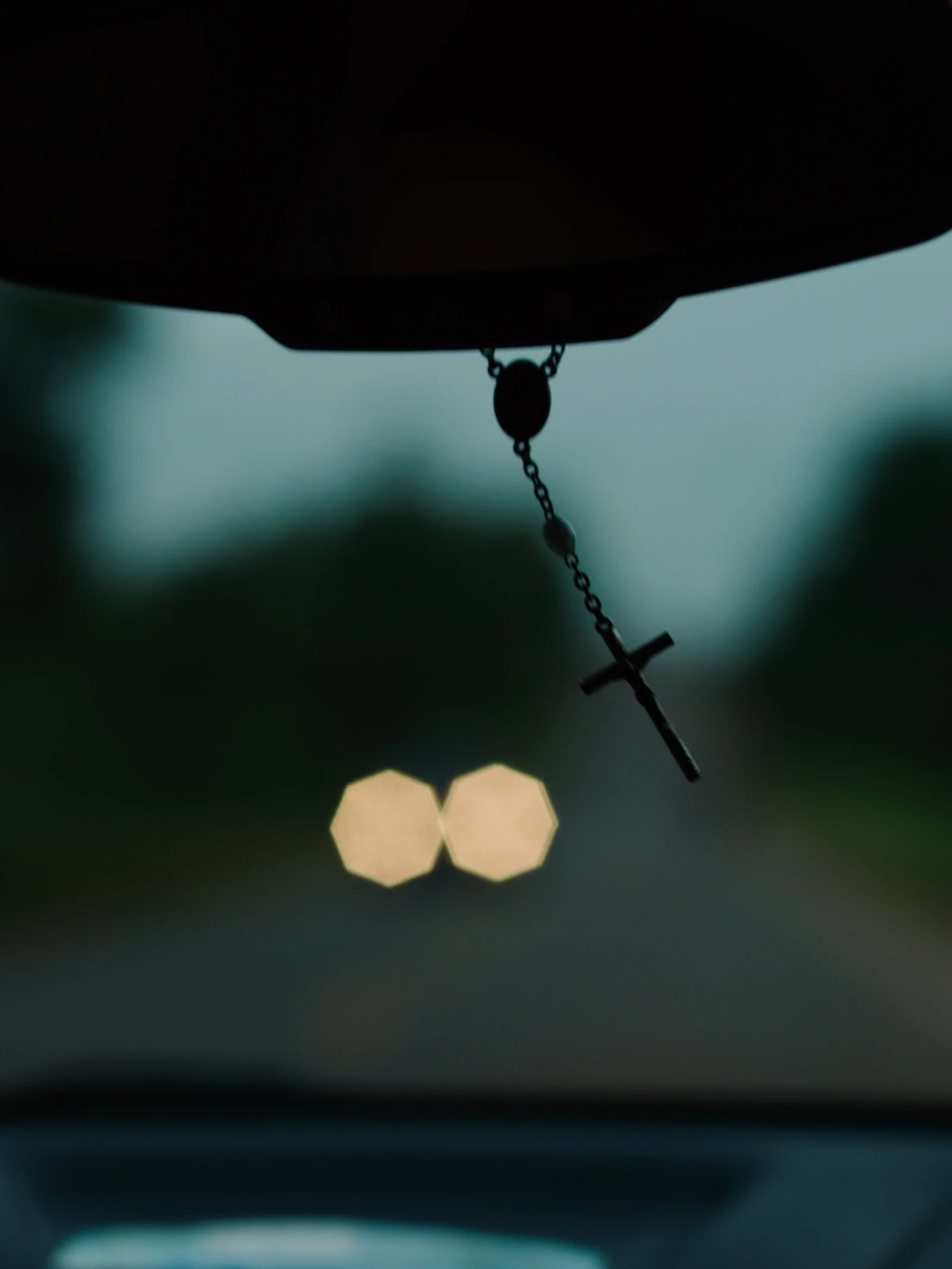
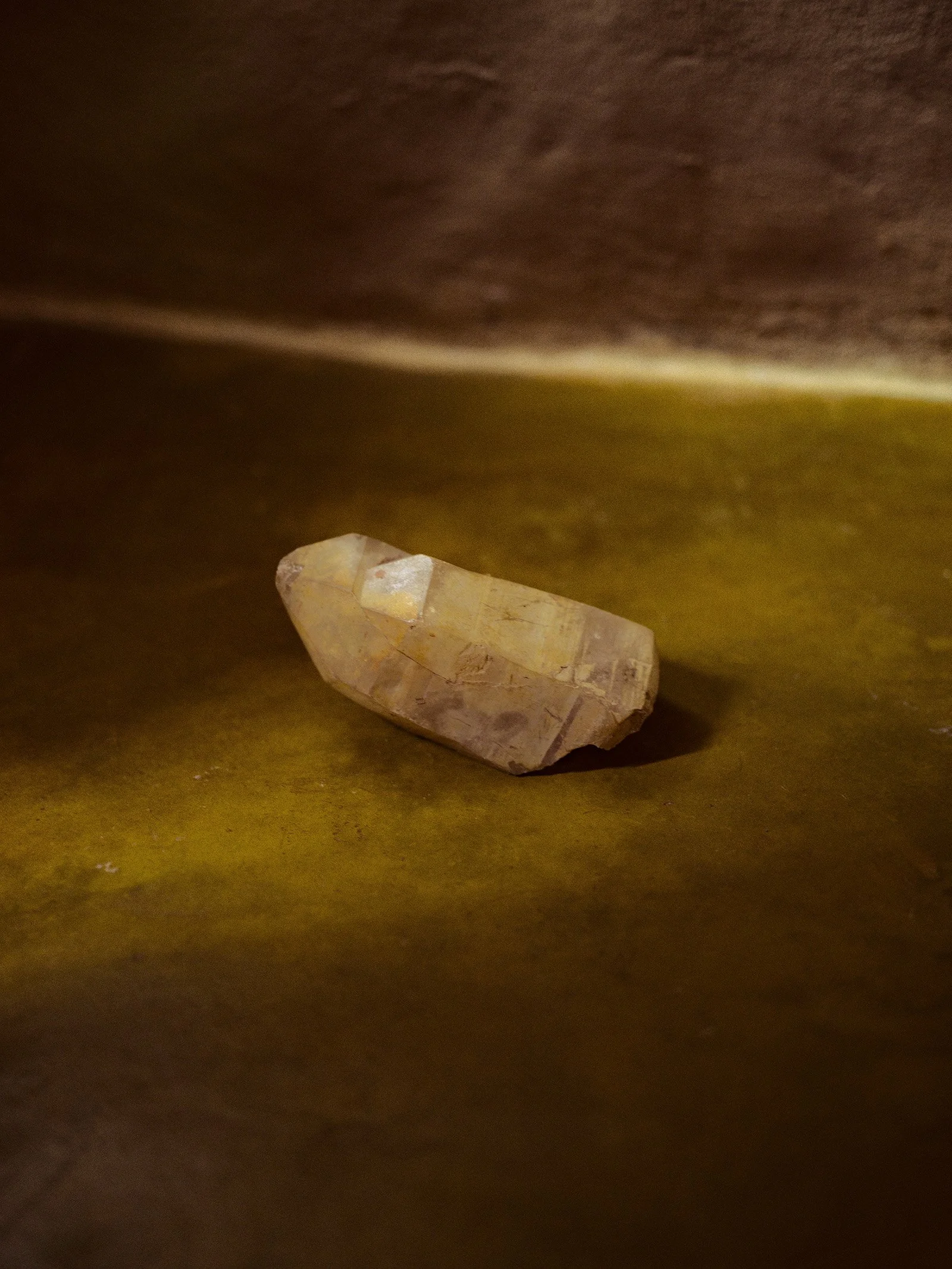
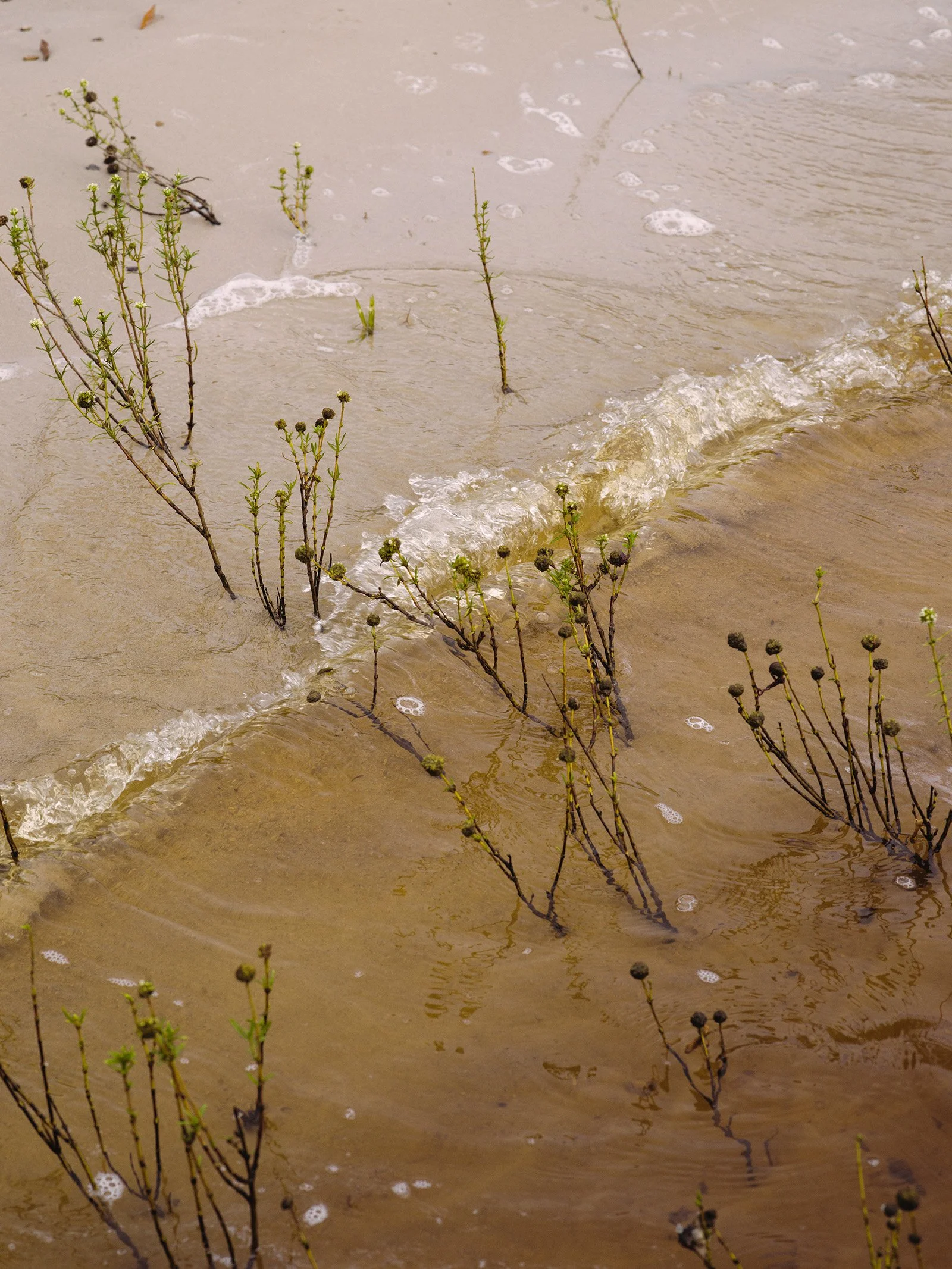
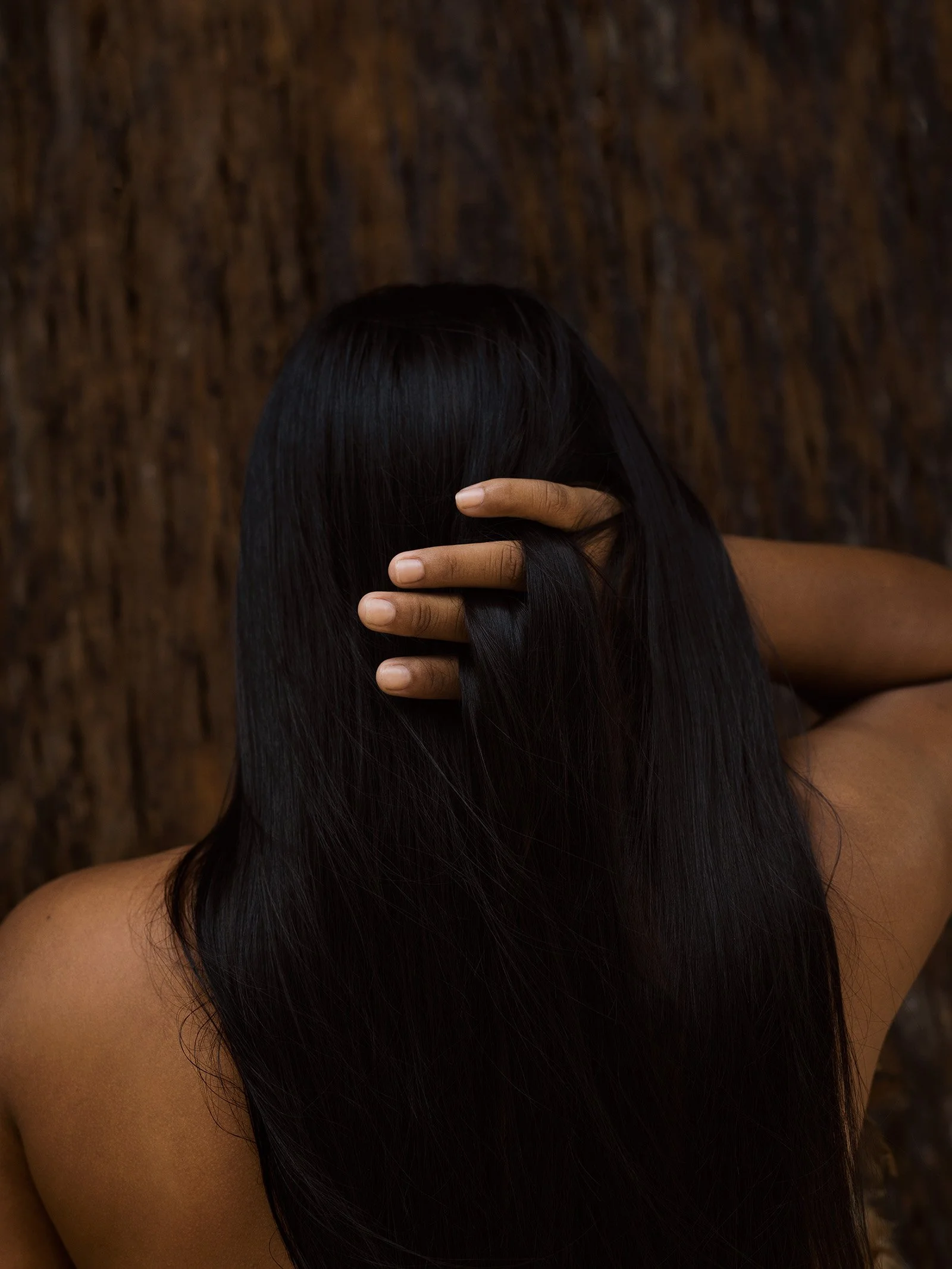
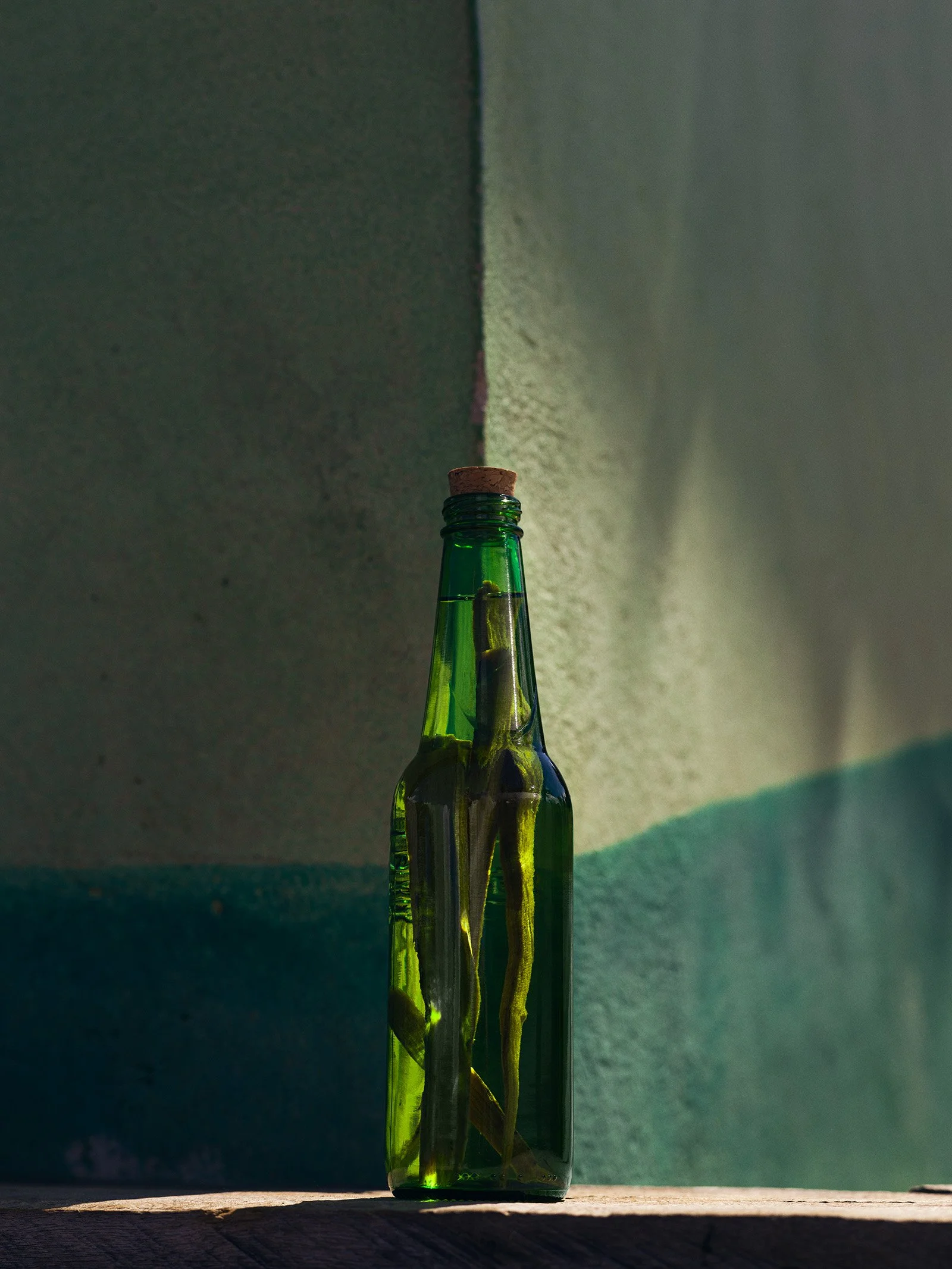
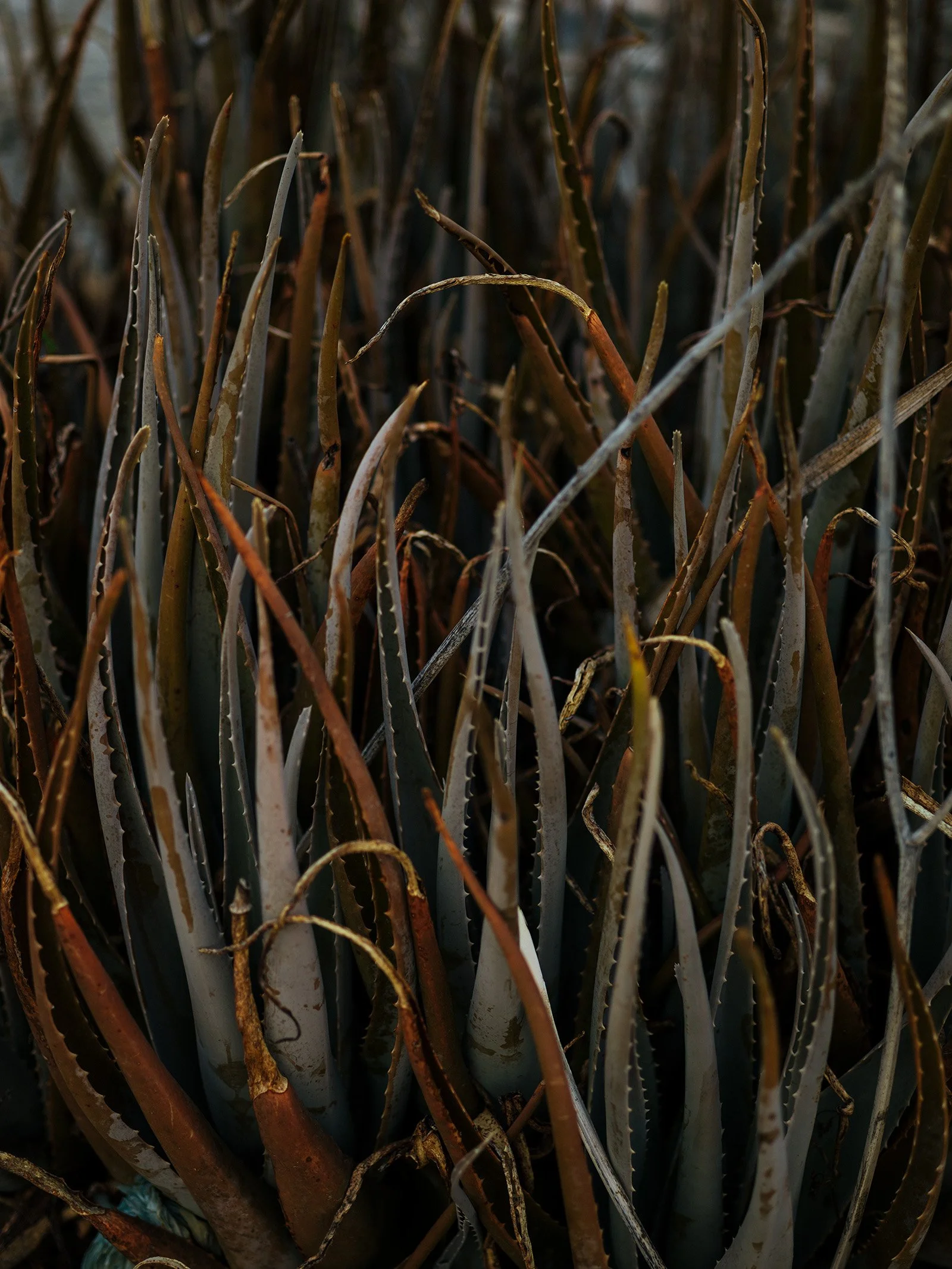
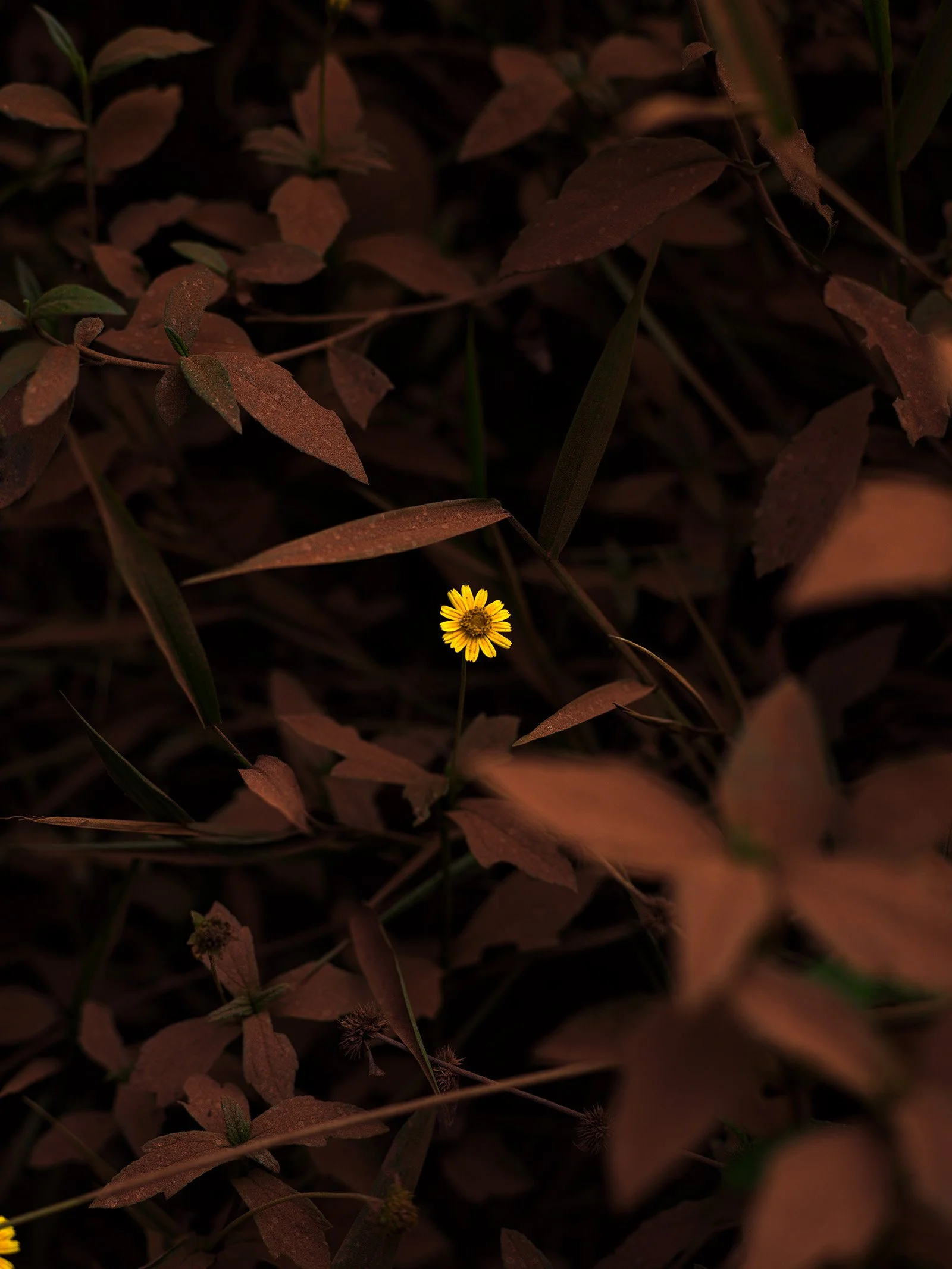
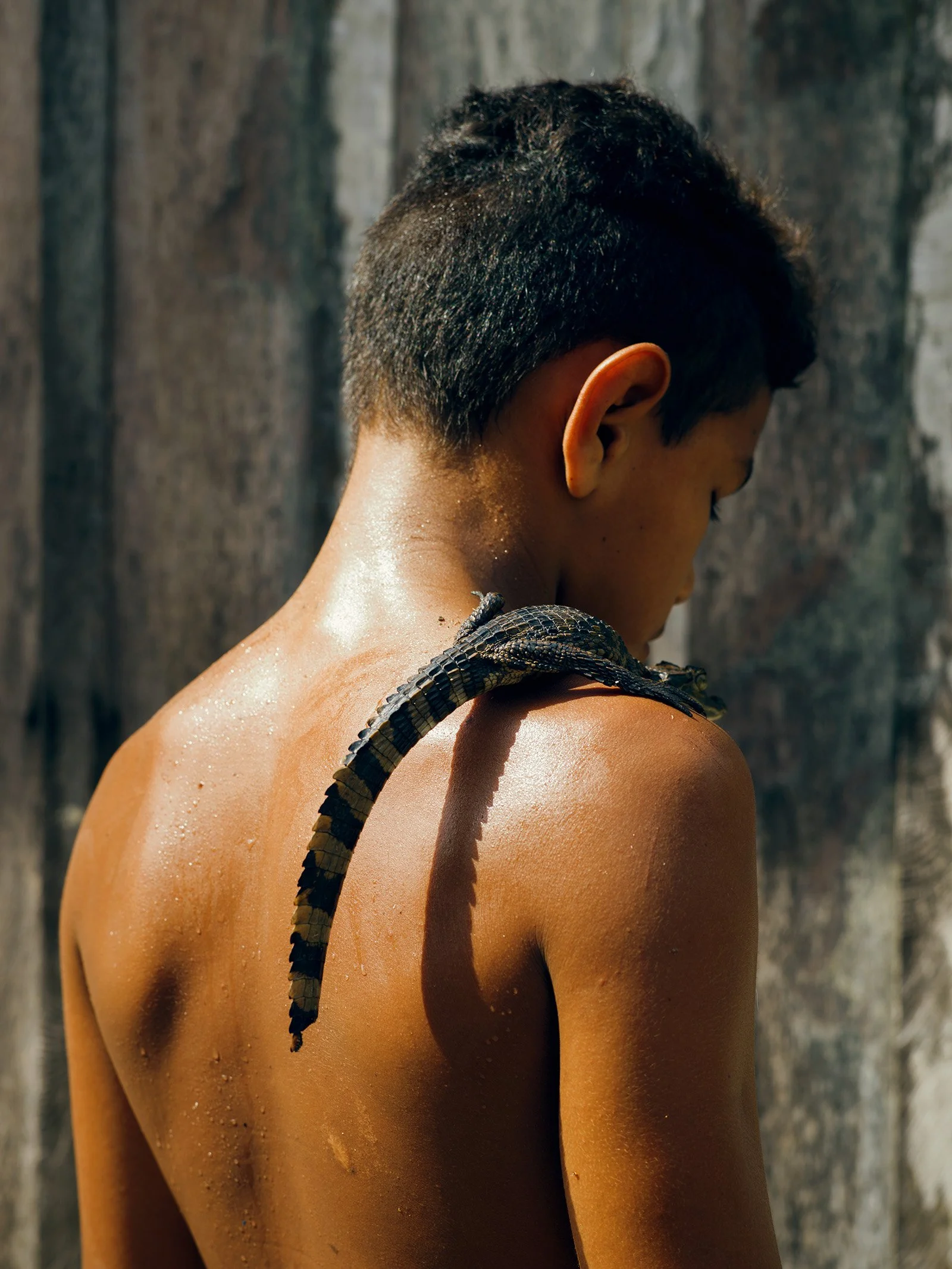
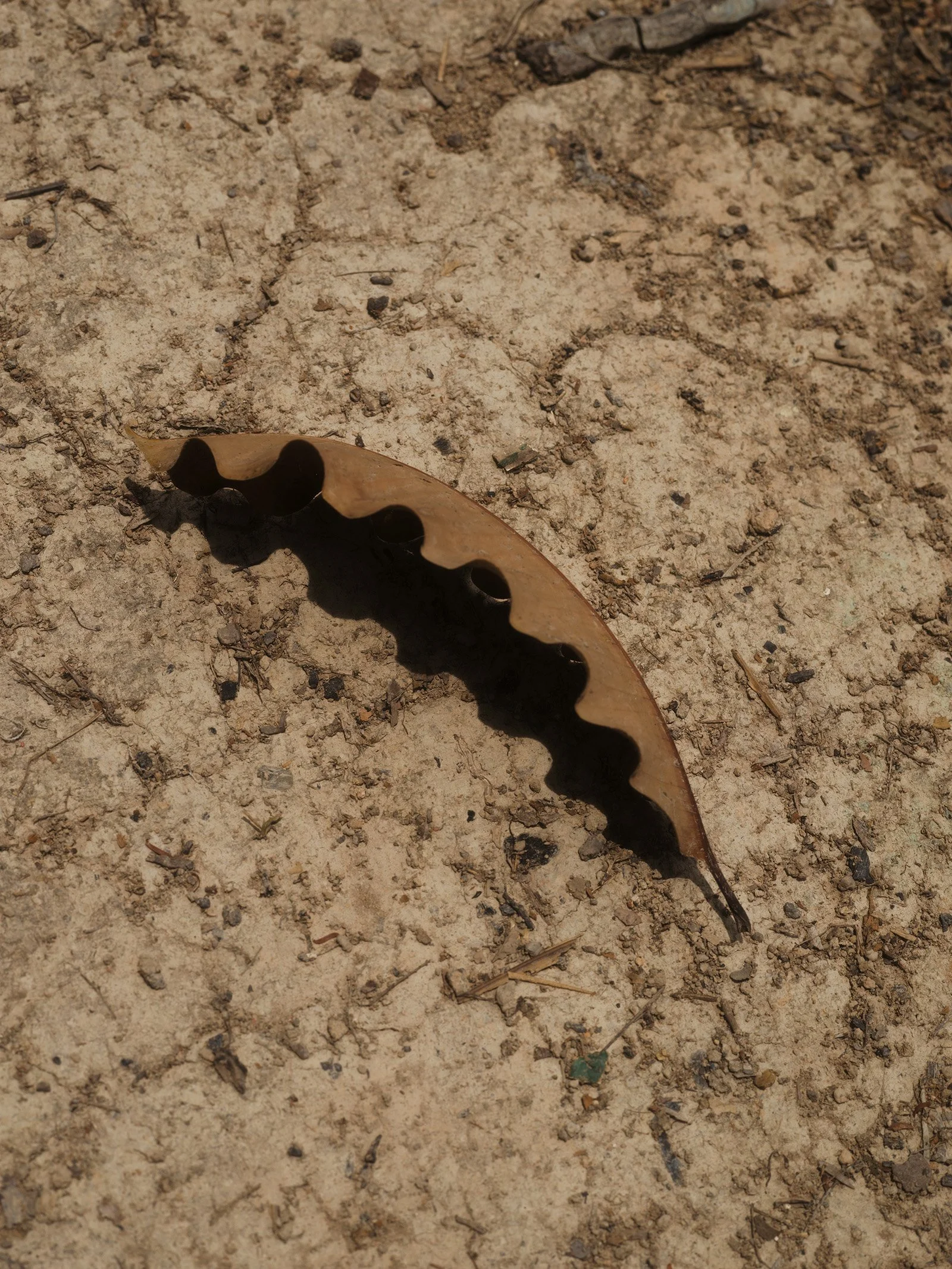
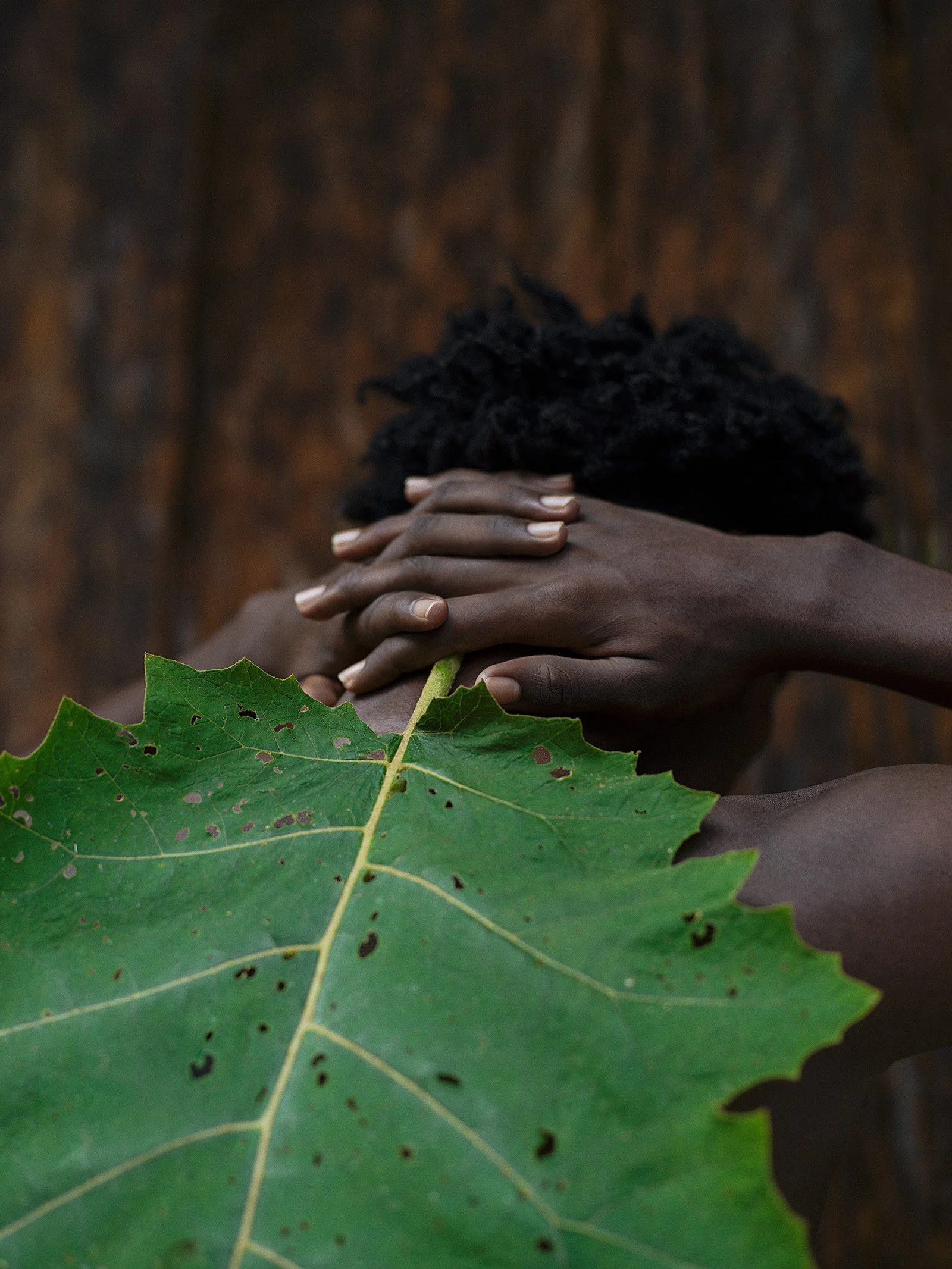
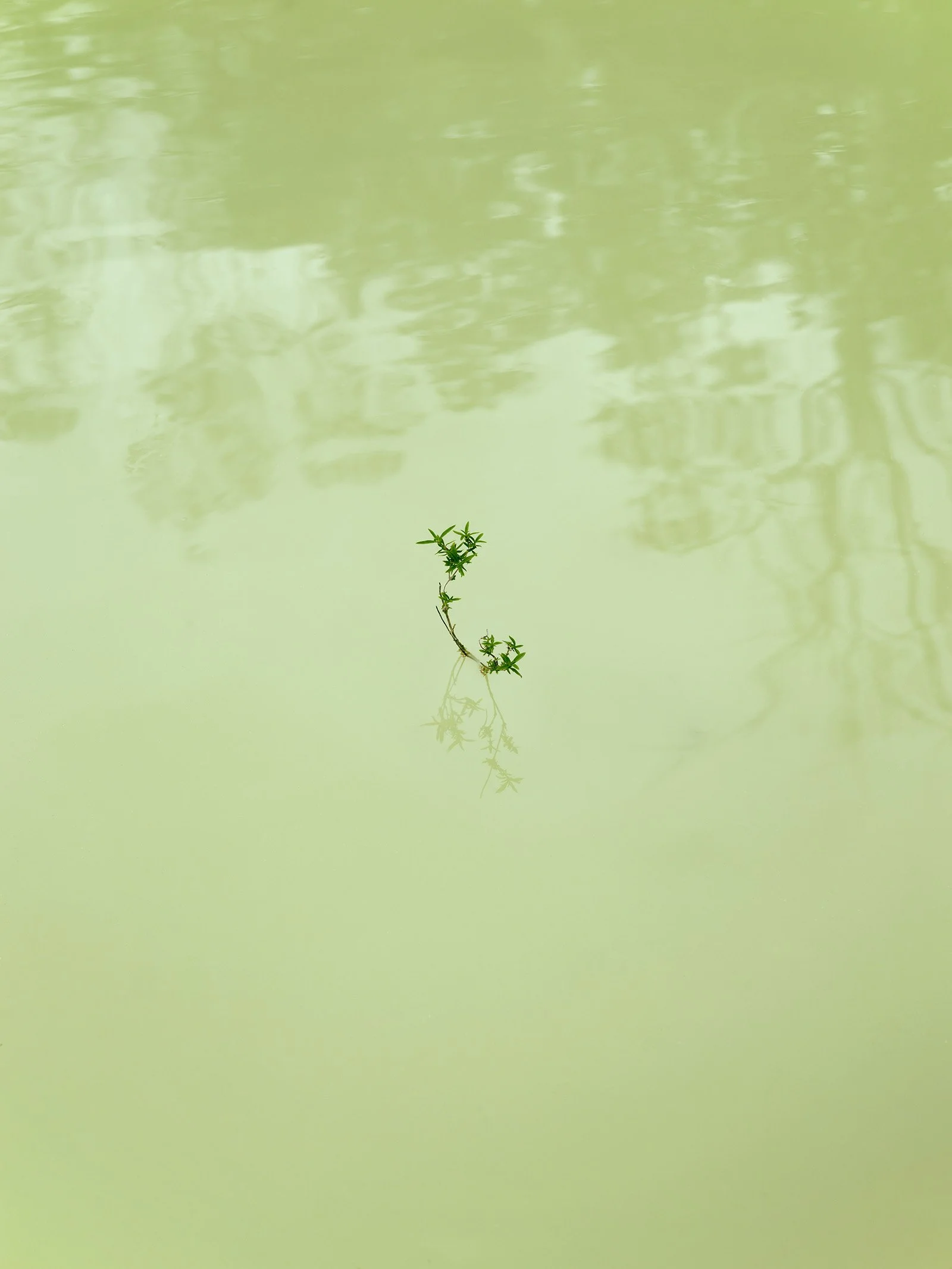
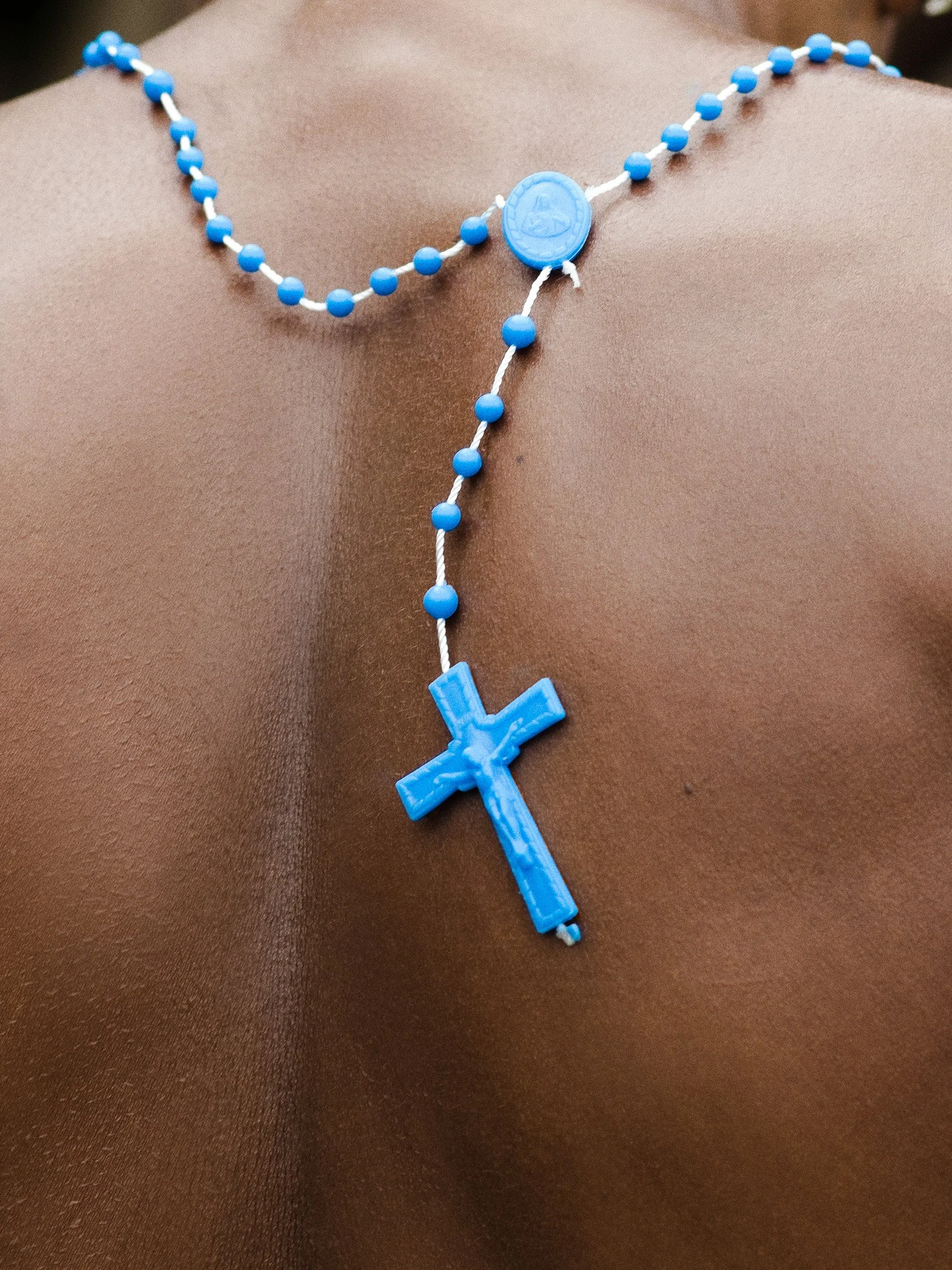
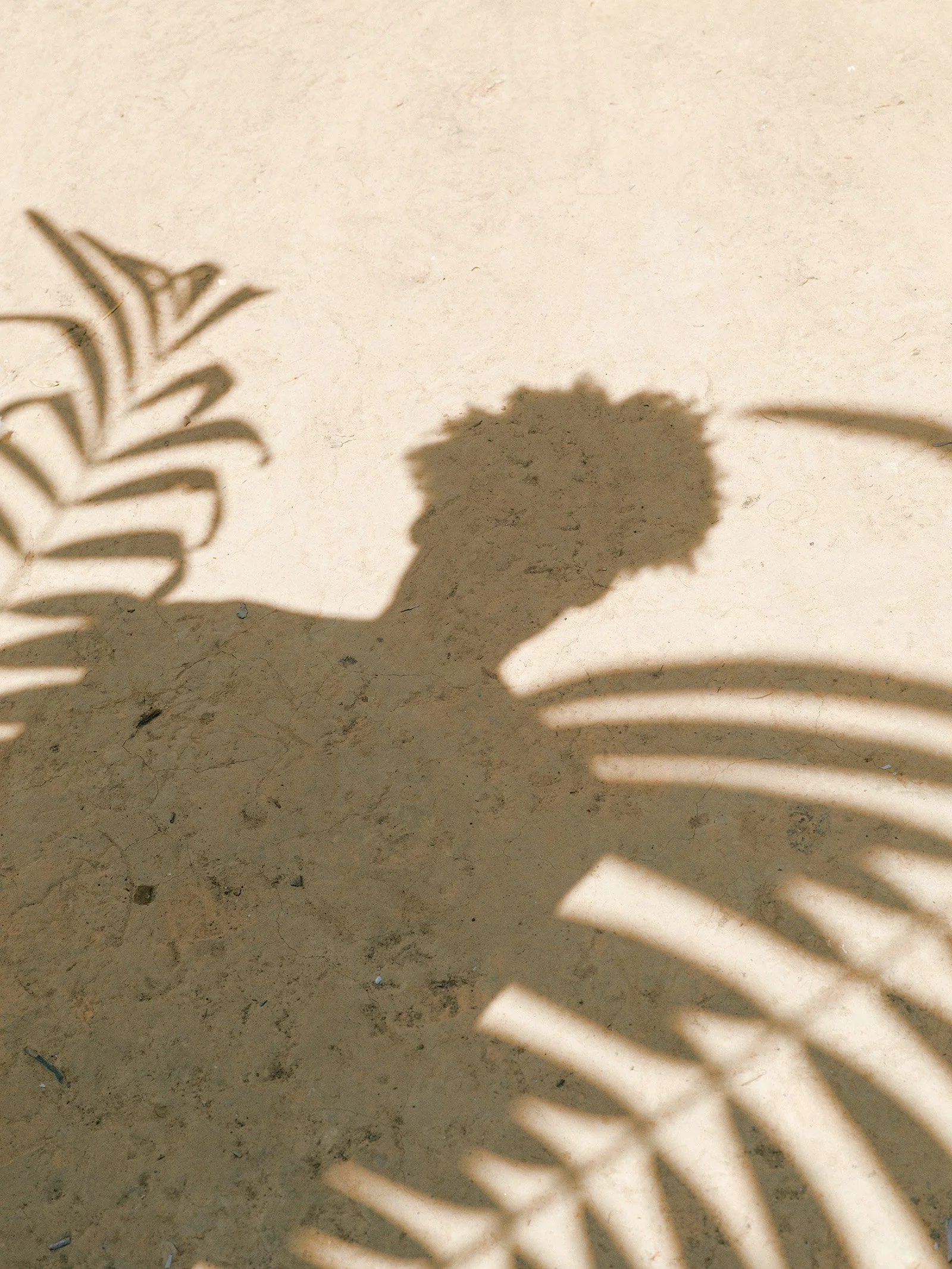
WATER, RITUAL And life
Visual Narrative & Art Direction
As art director and visual curator, my role was to shape the overall narrative and emotional rhythm of the project. I focused on how individual images relate to one another, guiding tone, pacing, and cohesion.
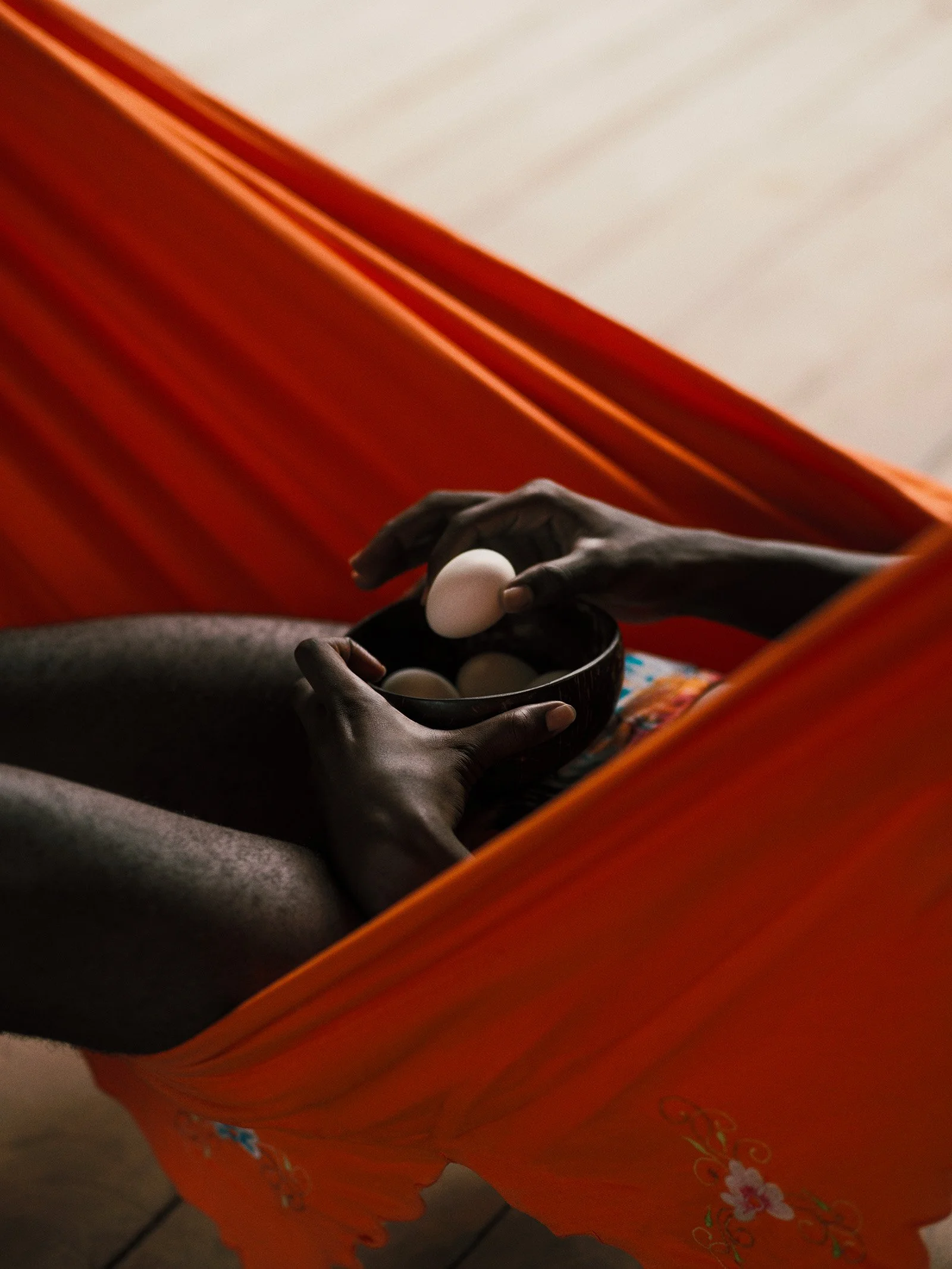
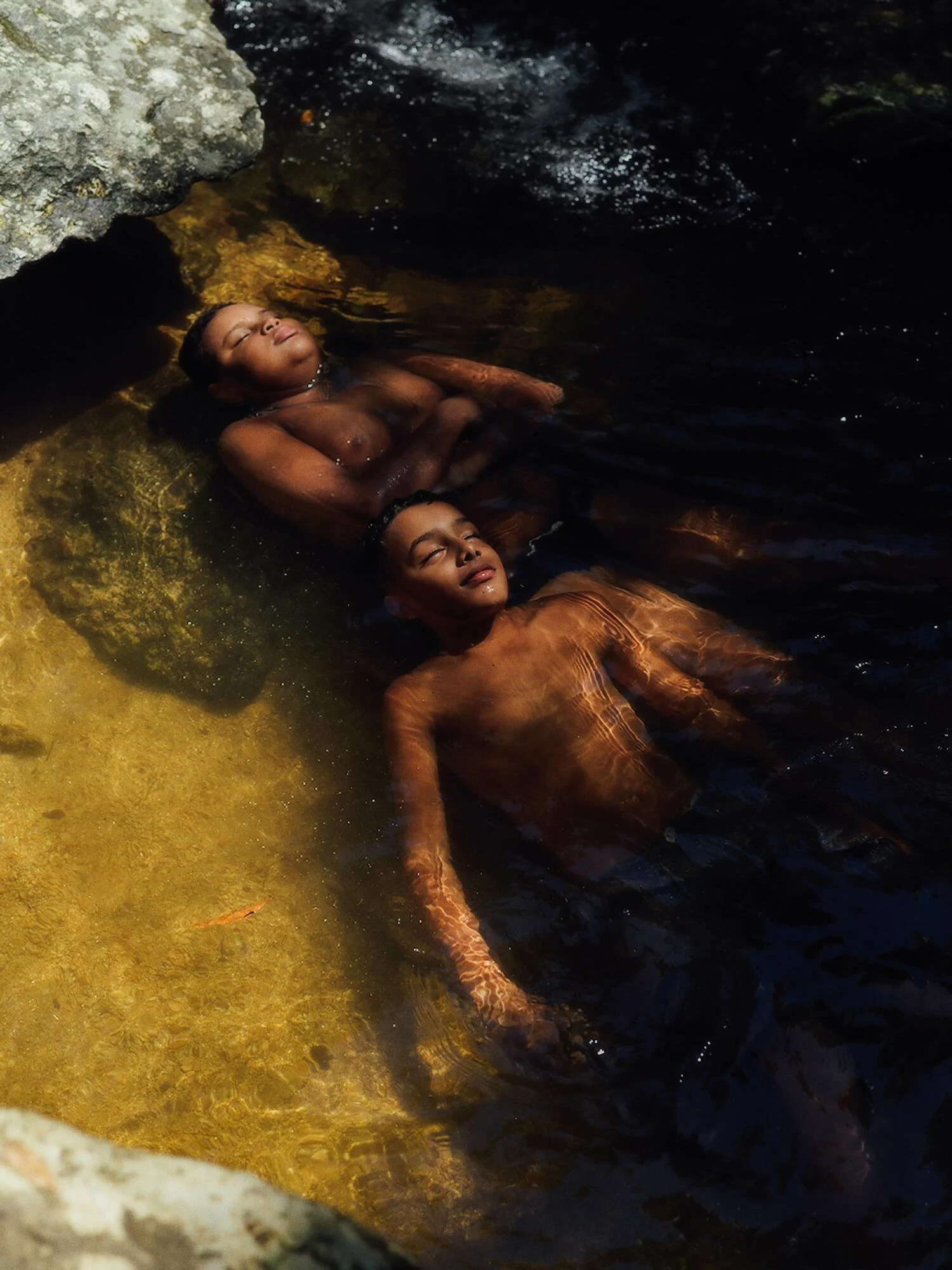
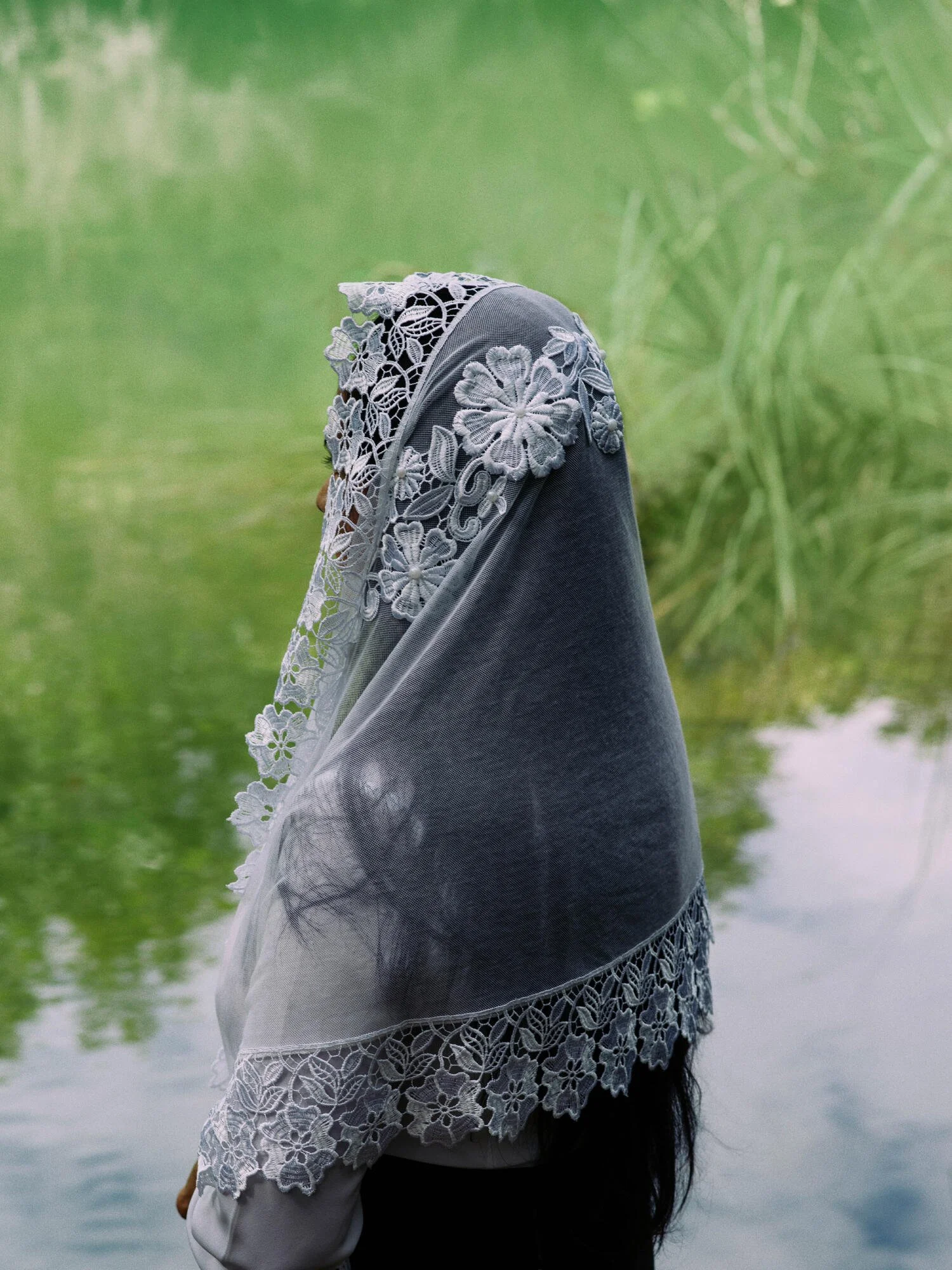
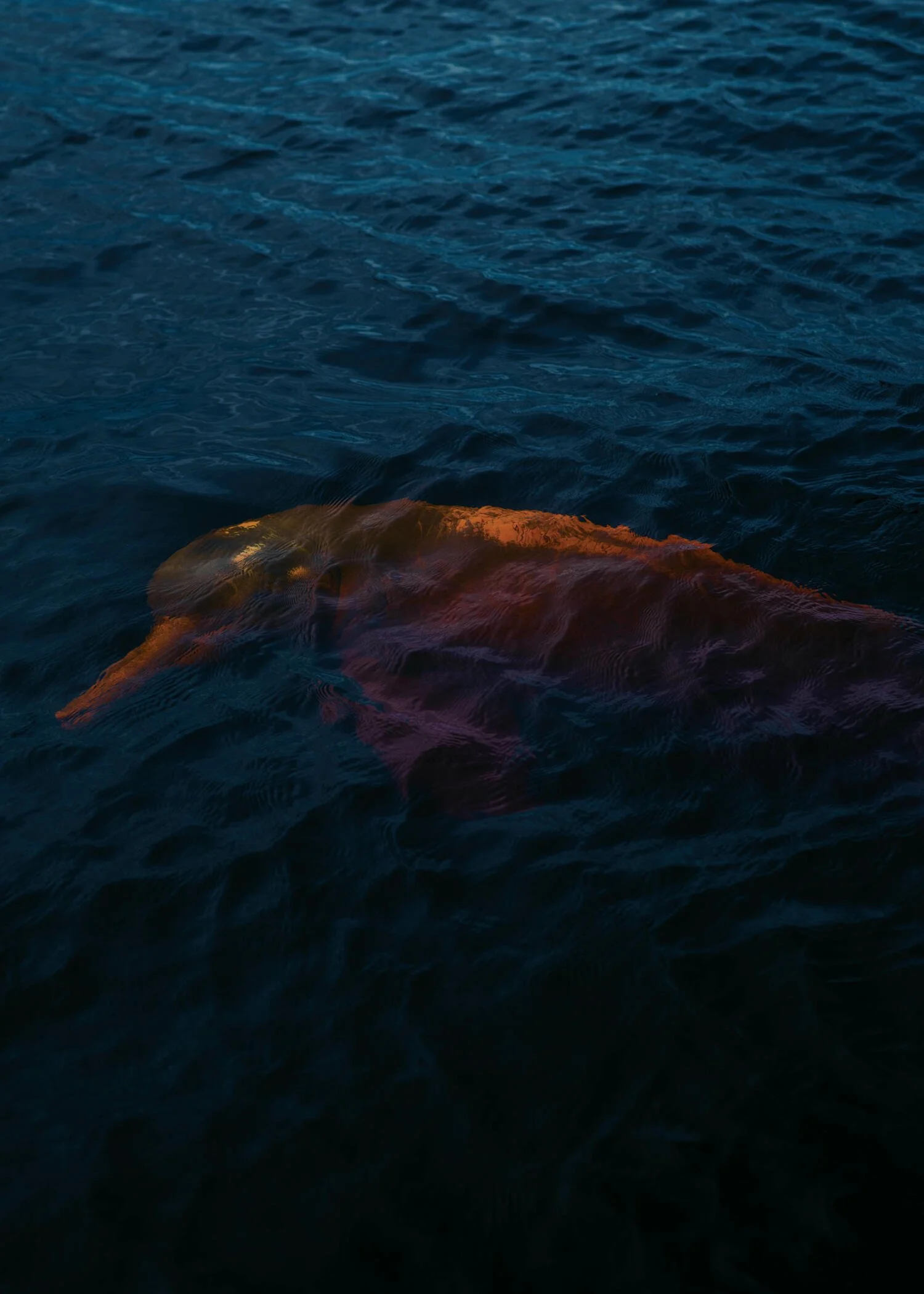
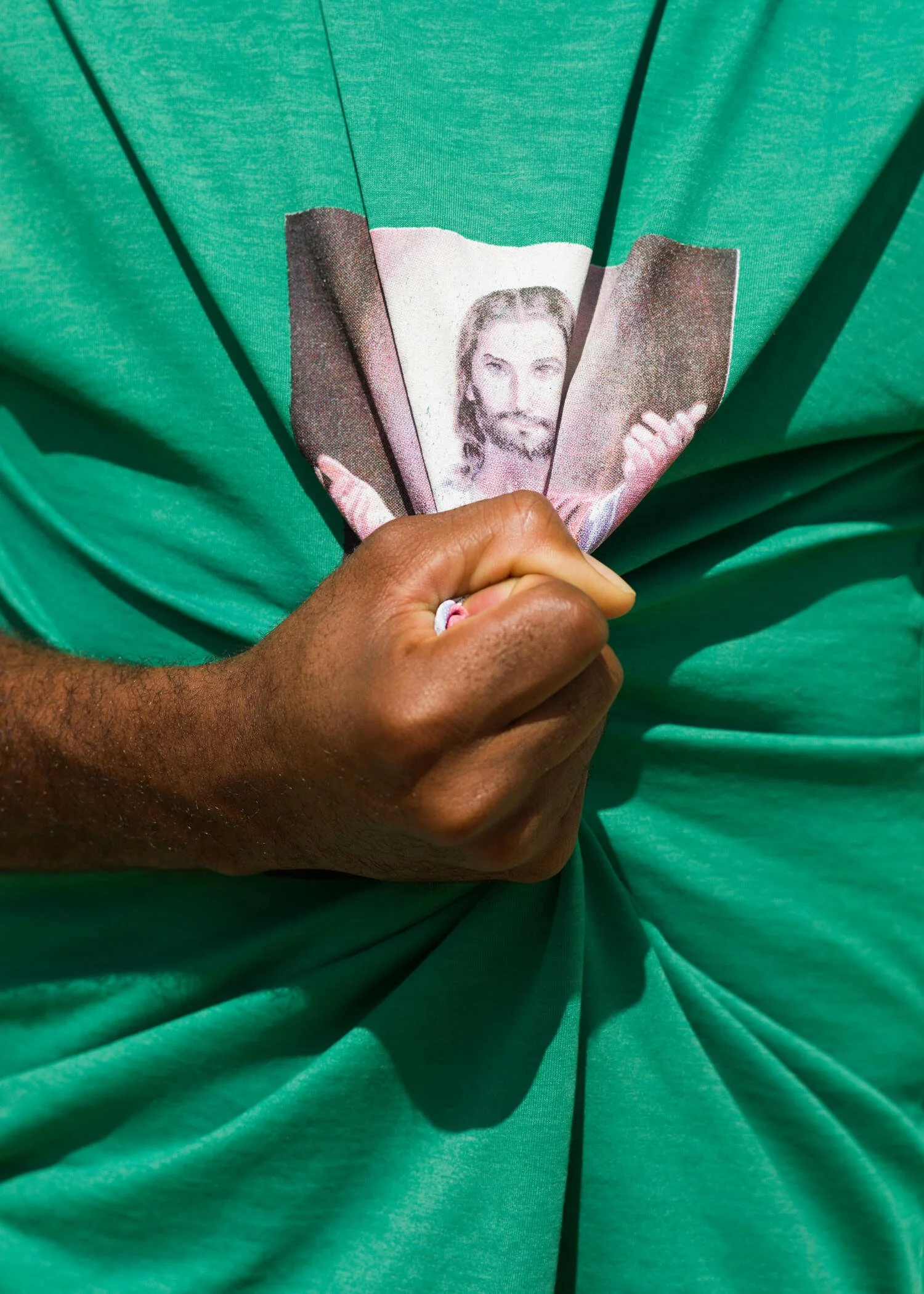
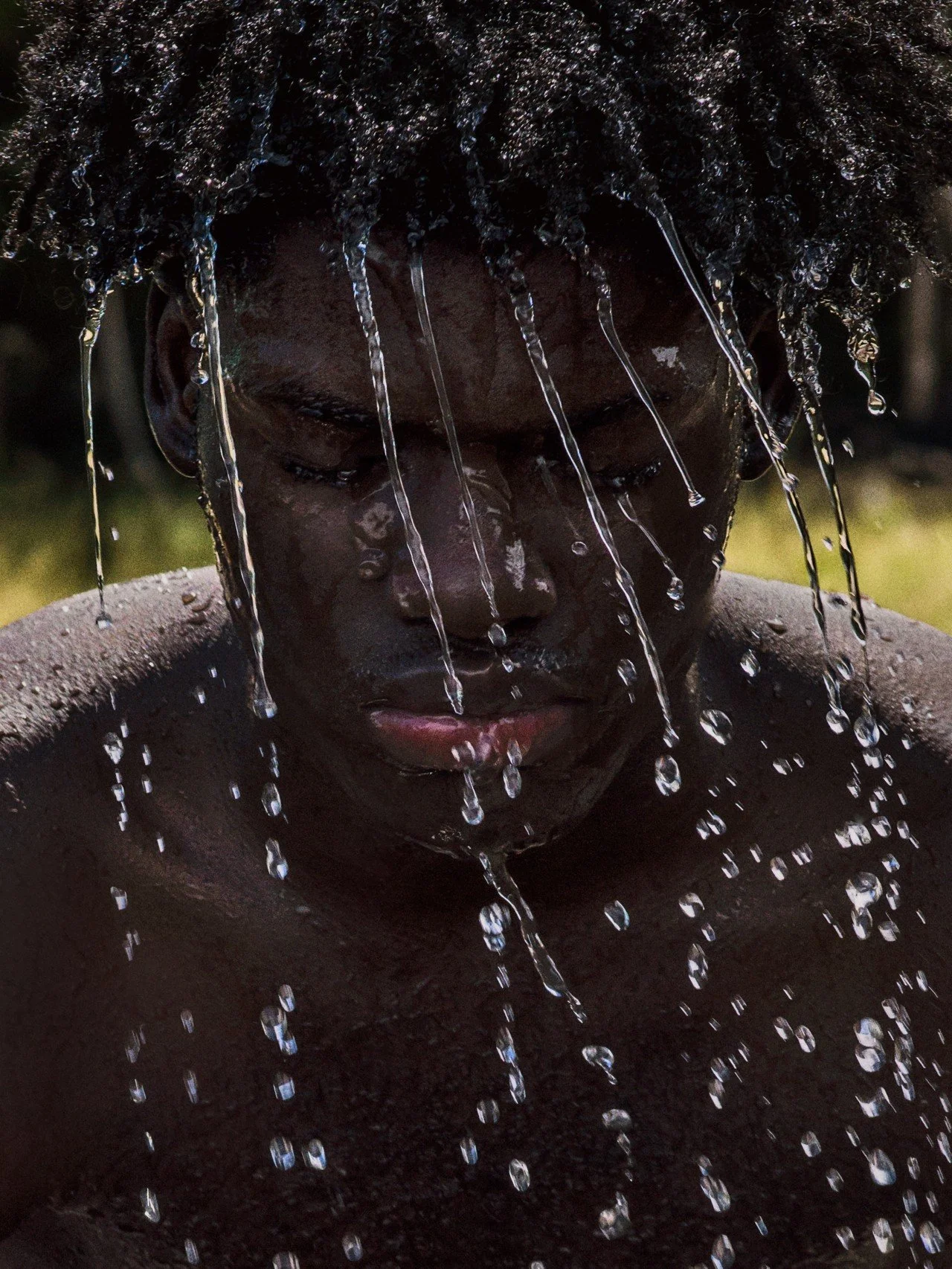
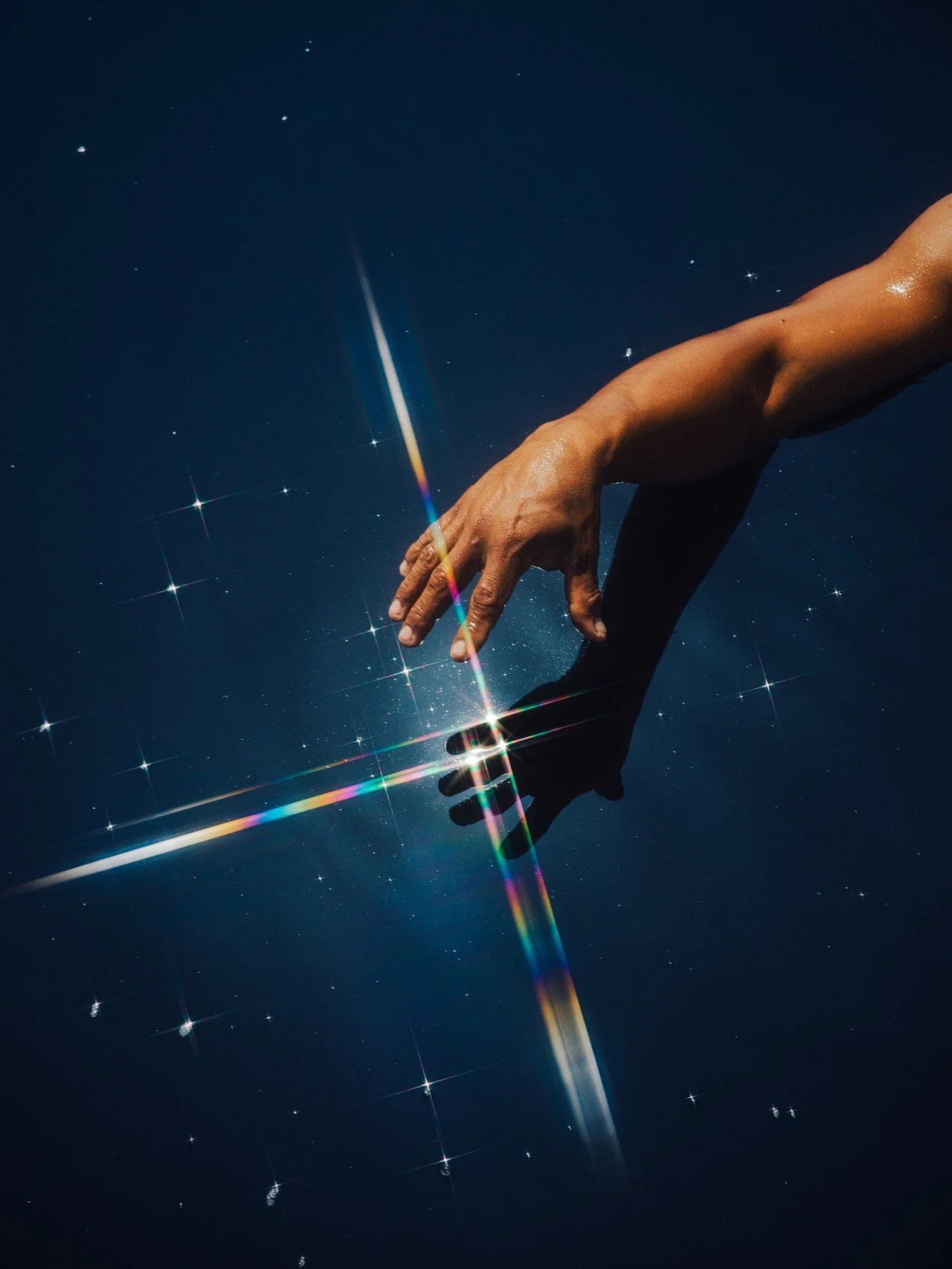
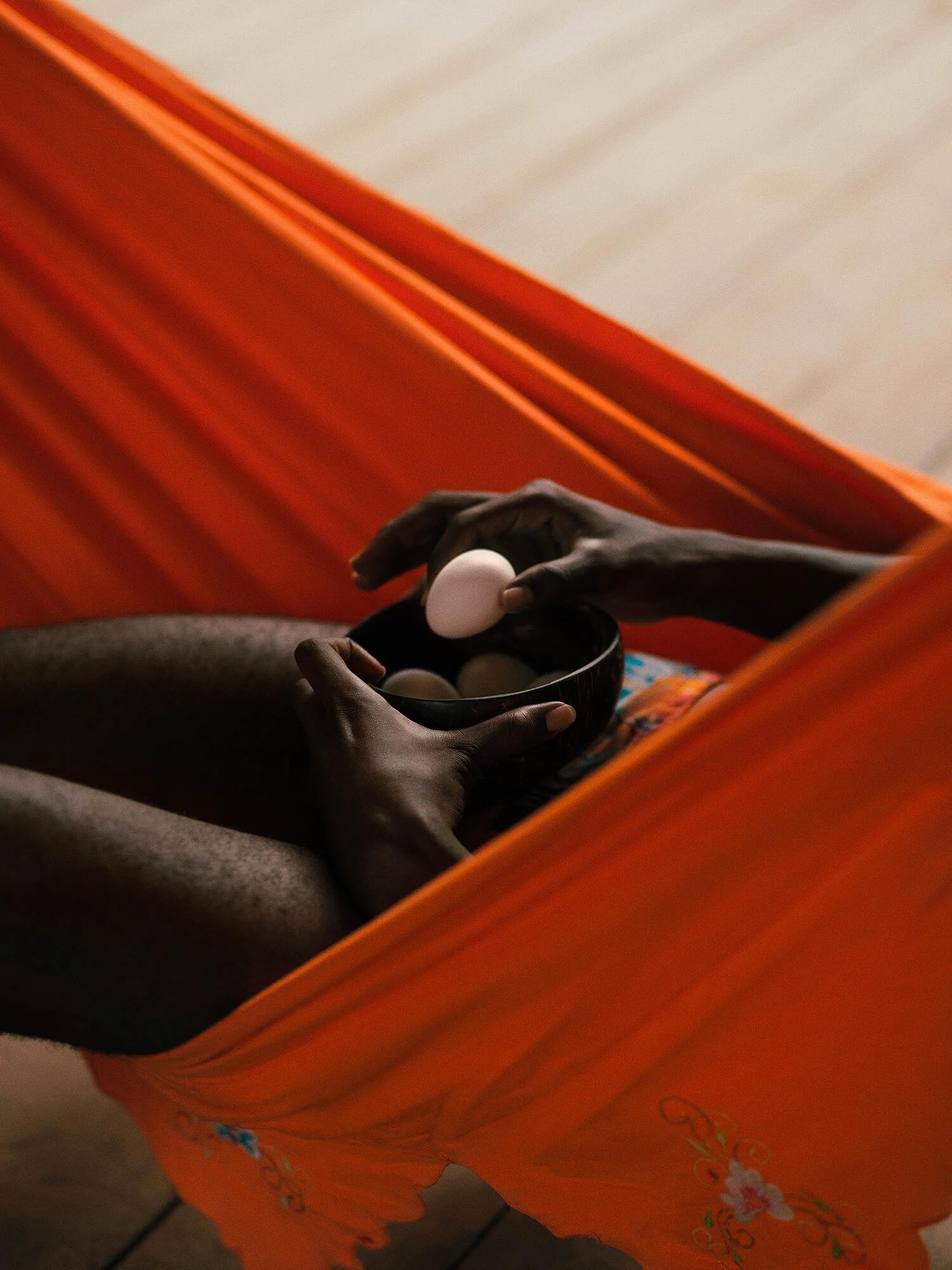
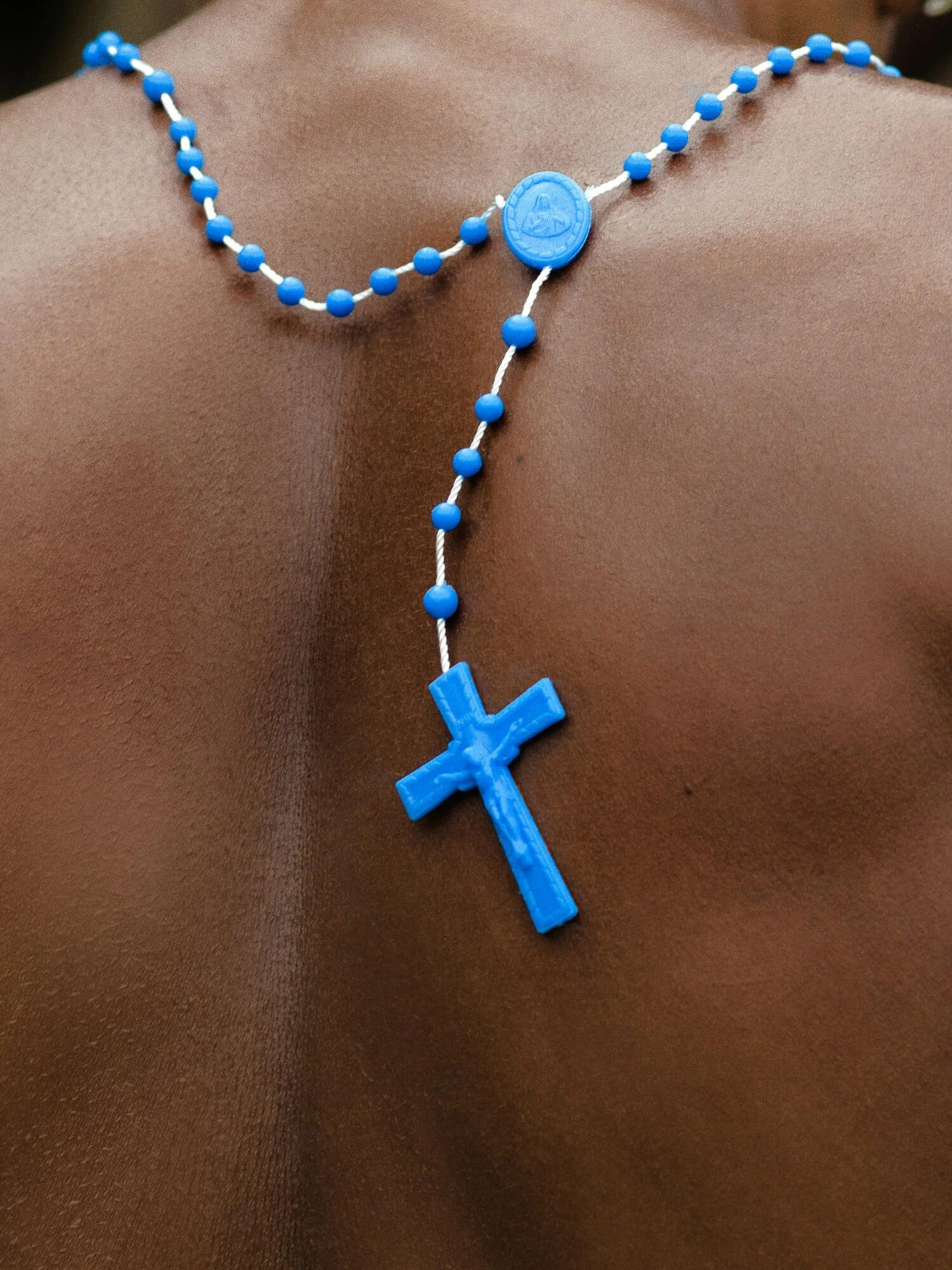
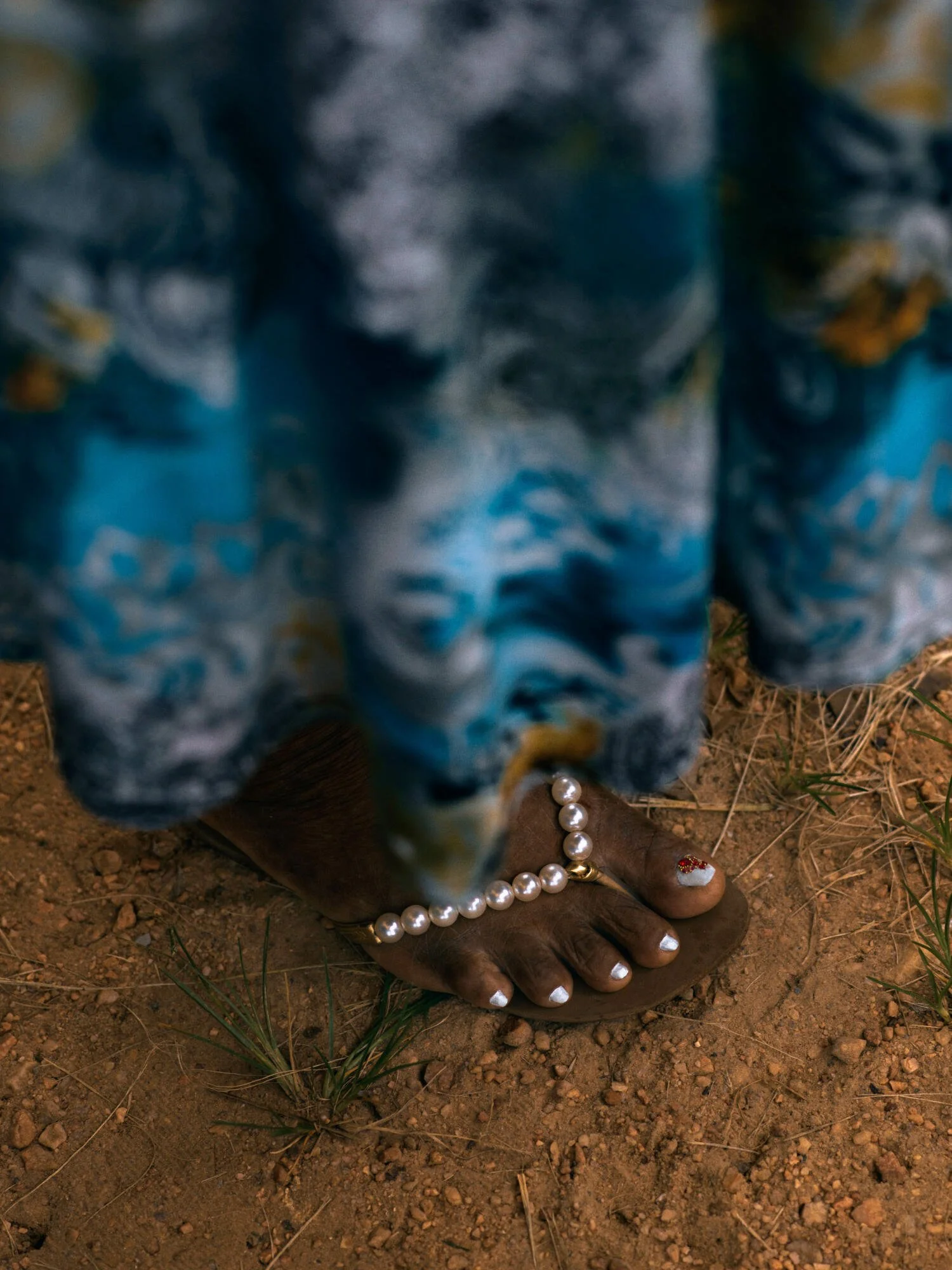
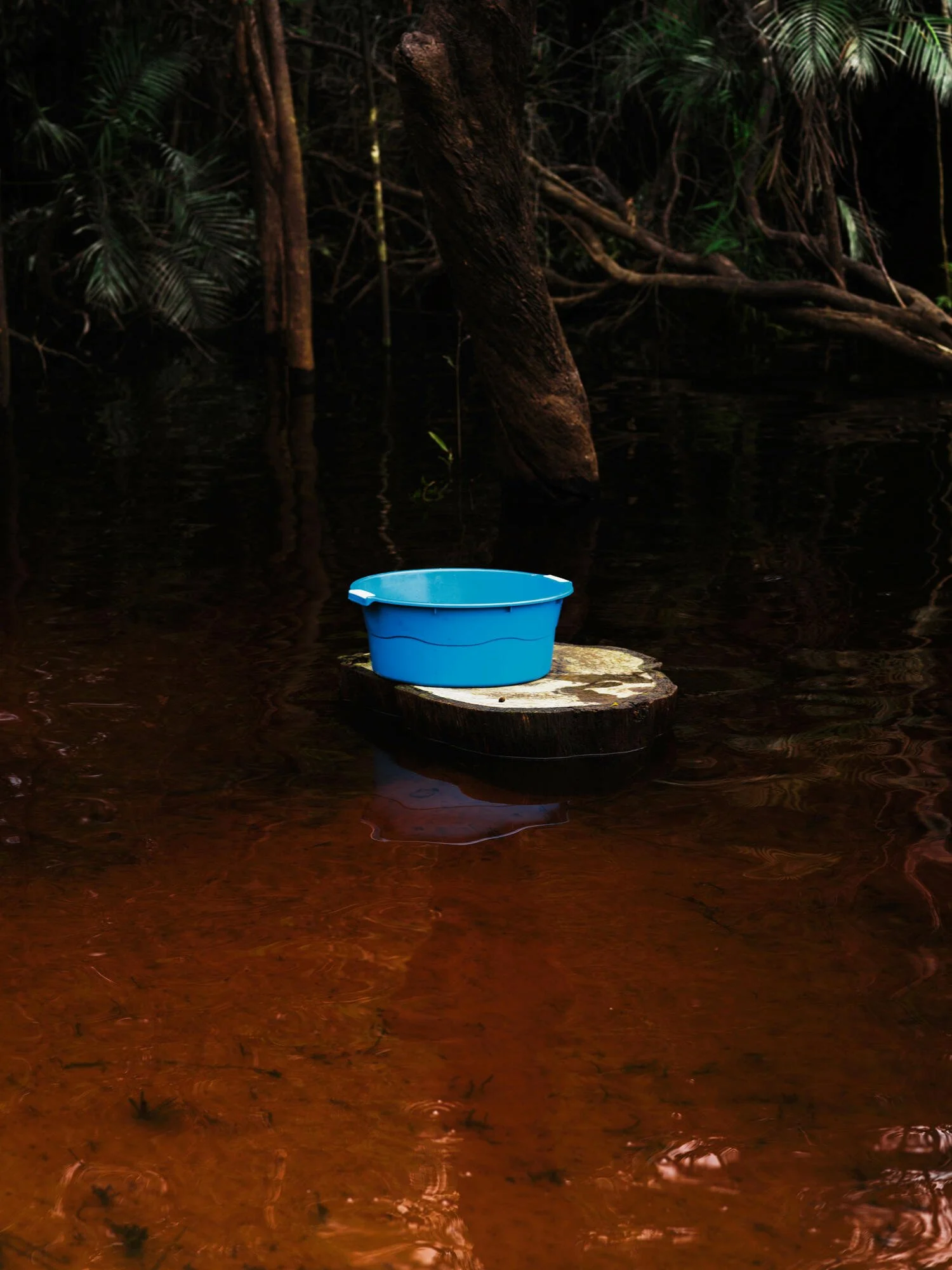
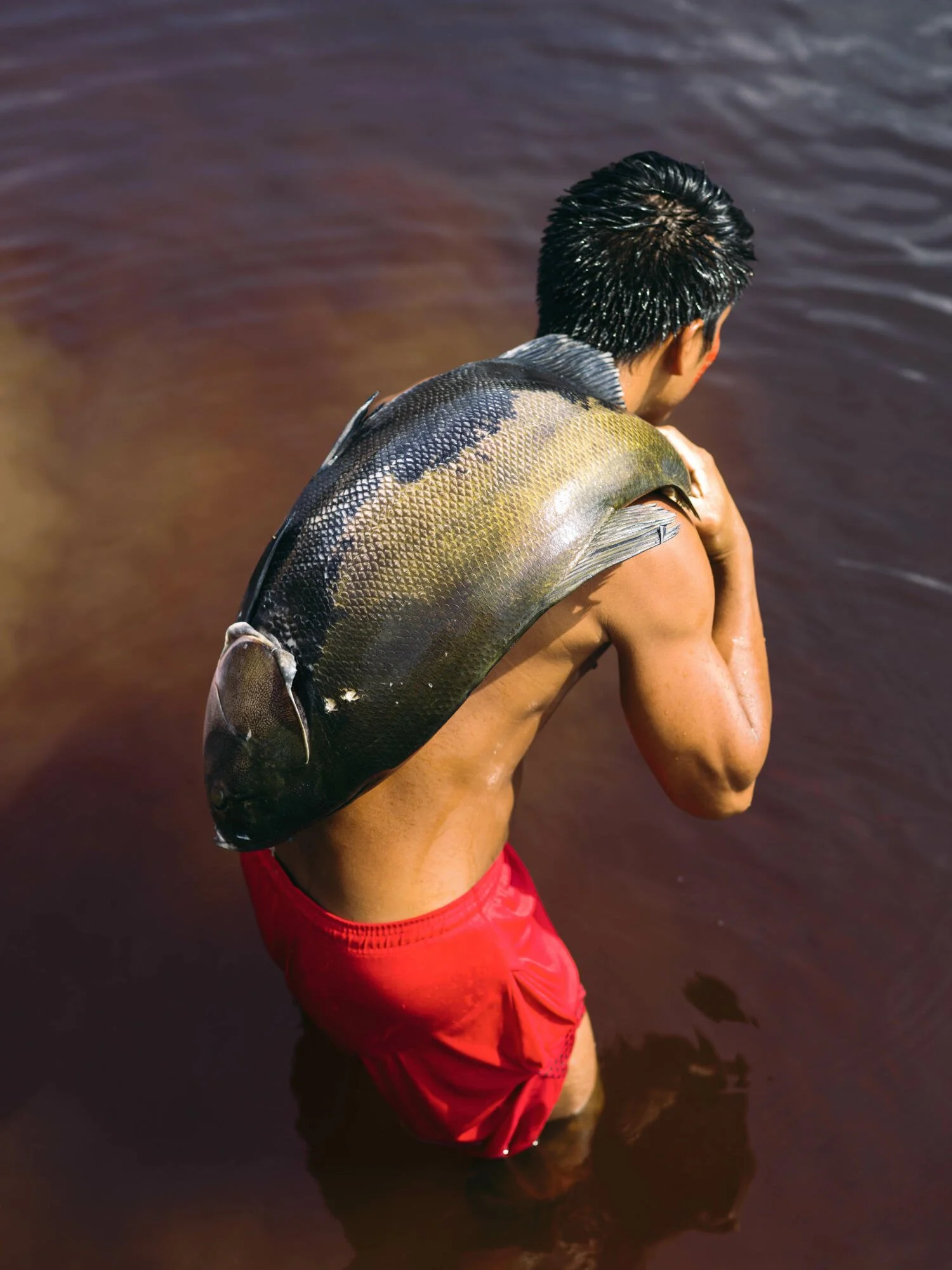
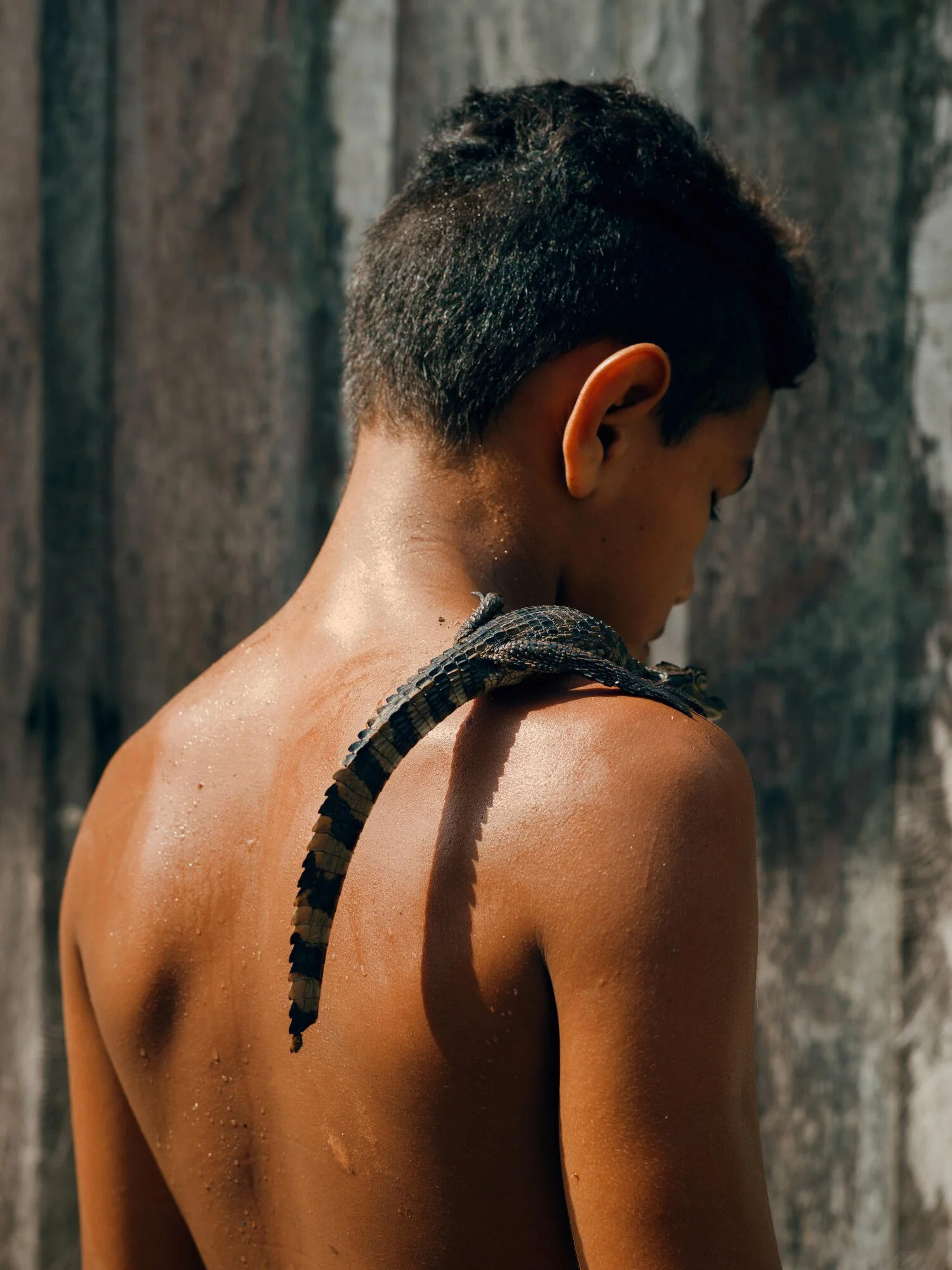
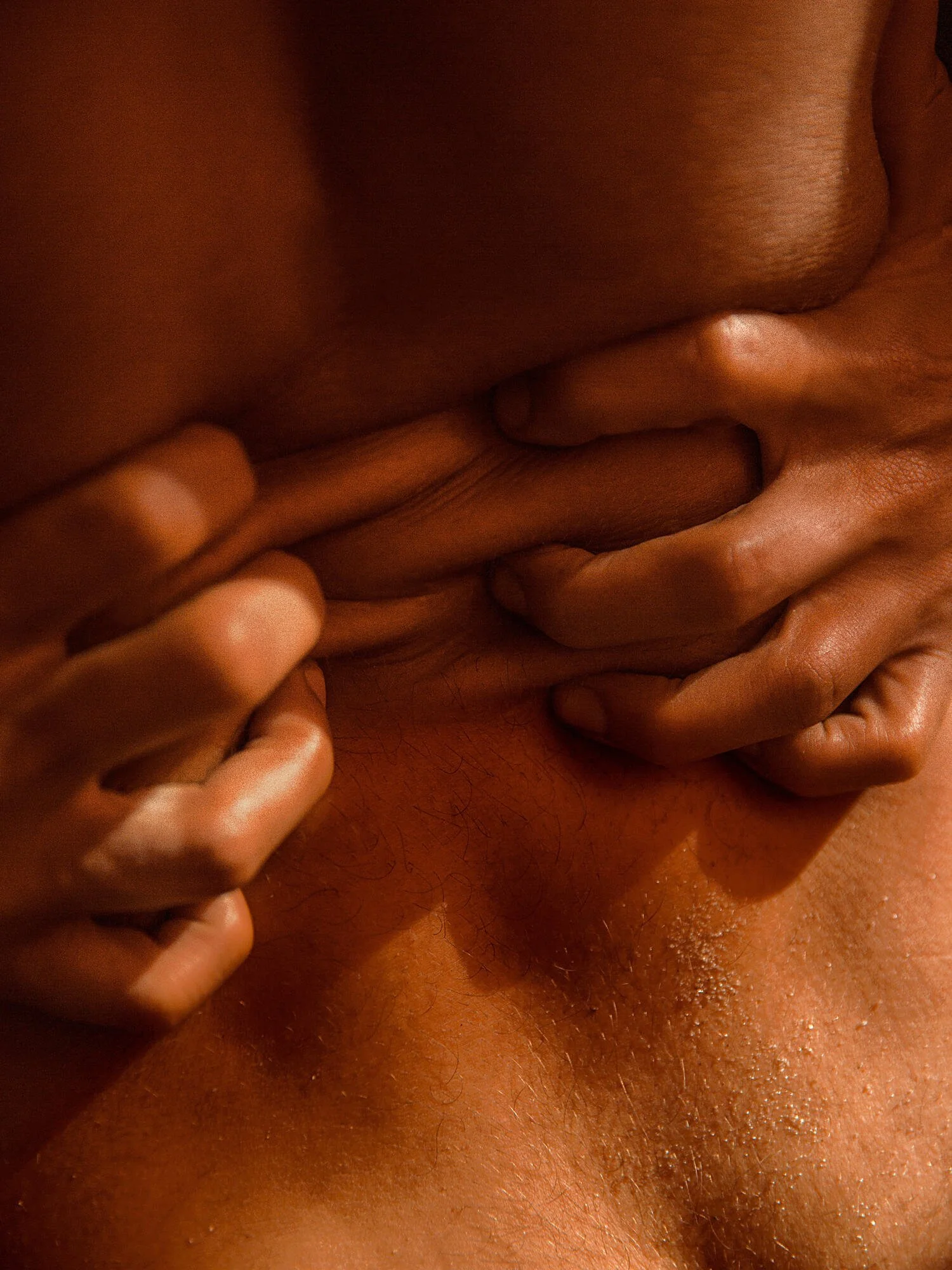
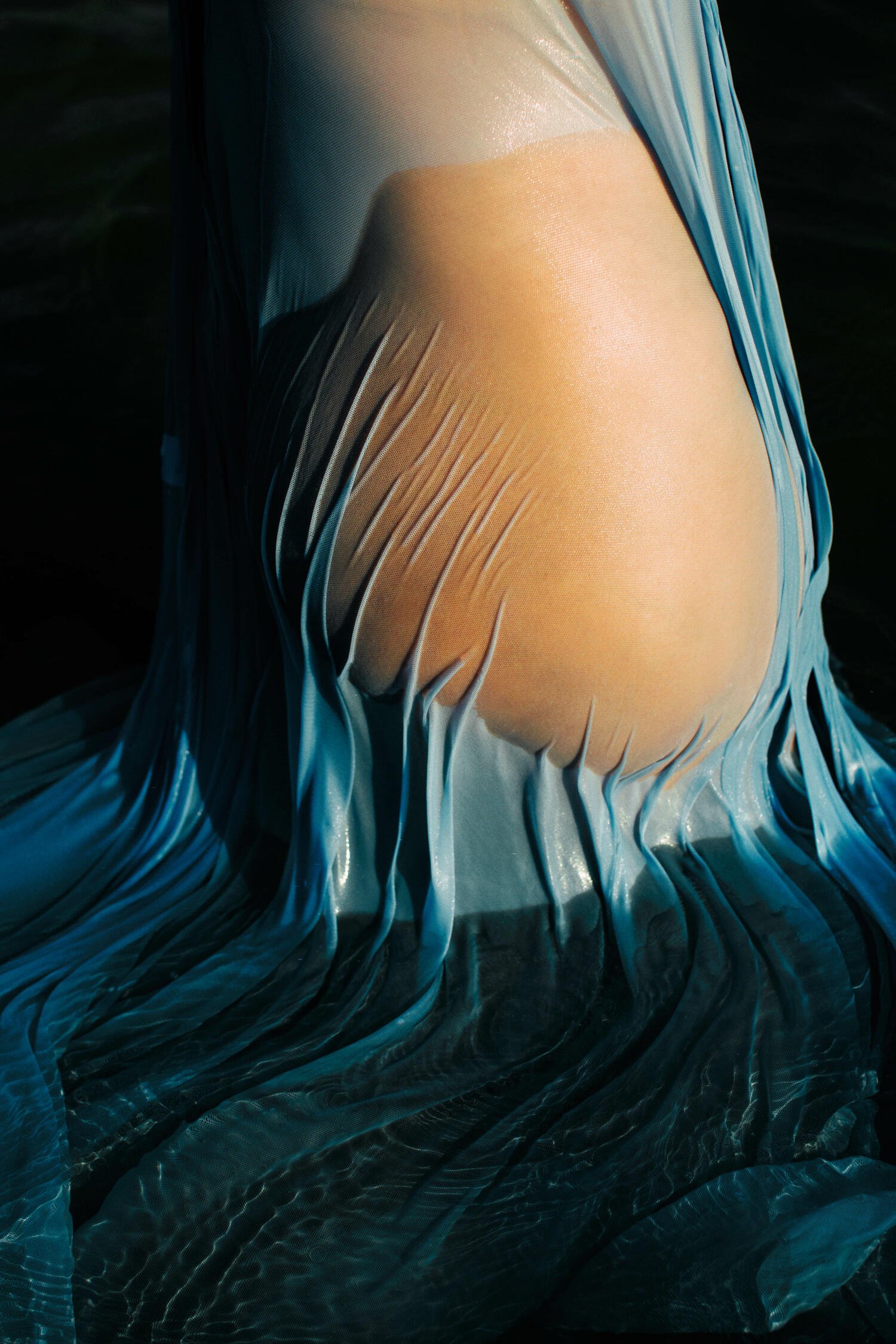
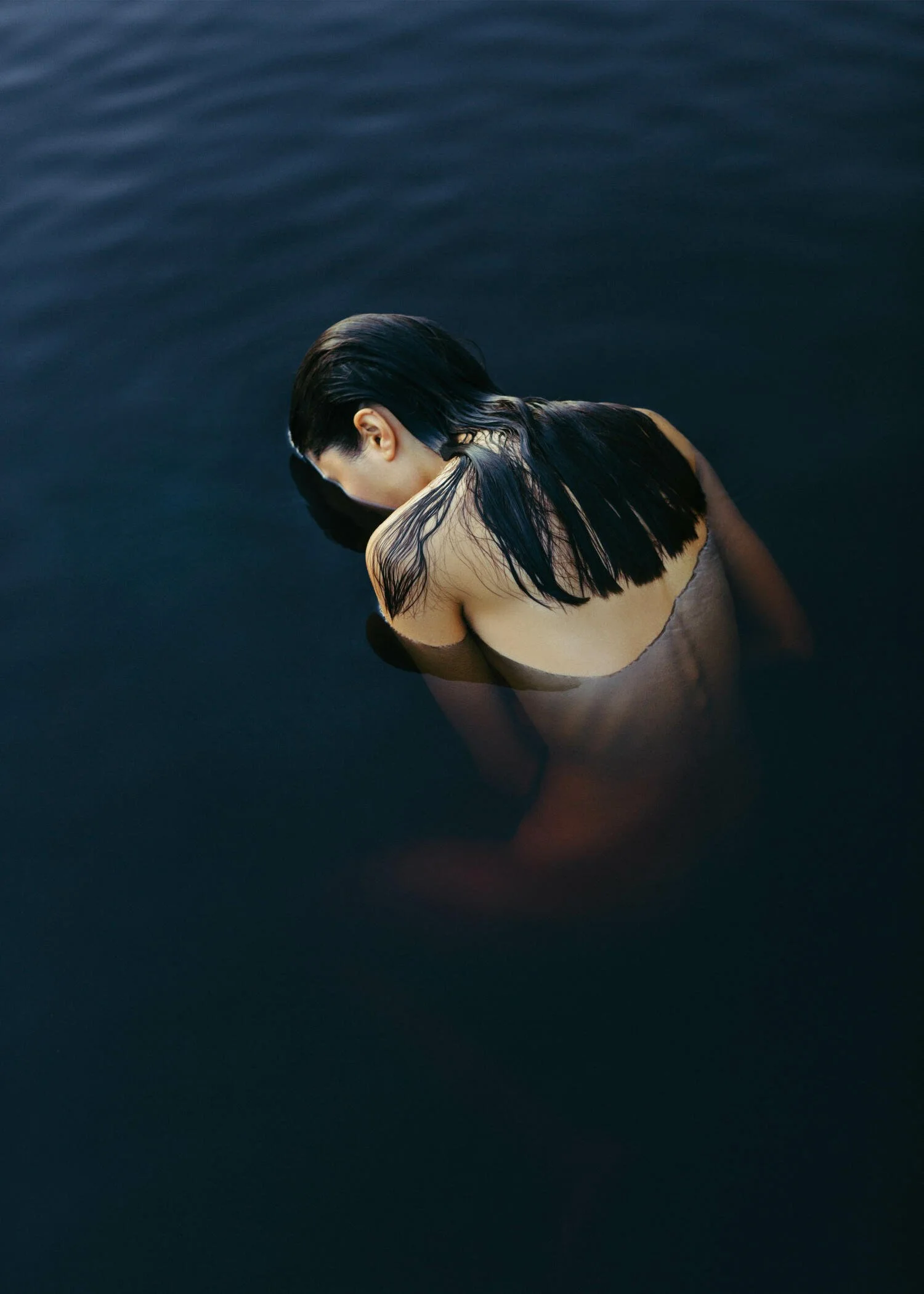
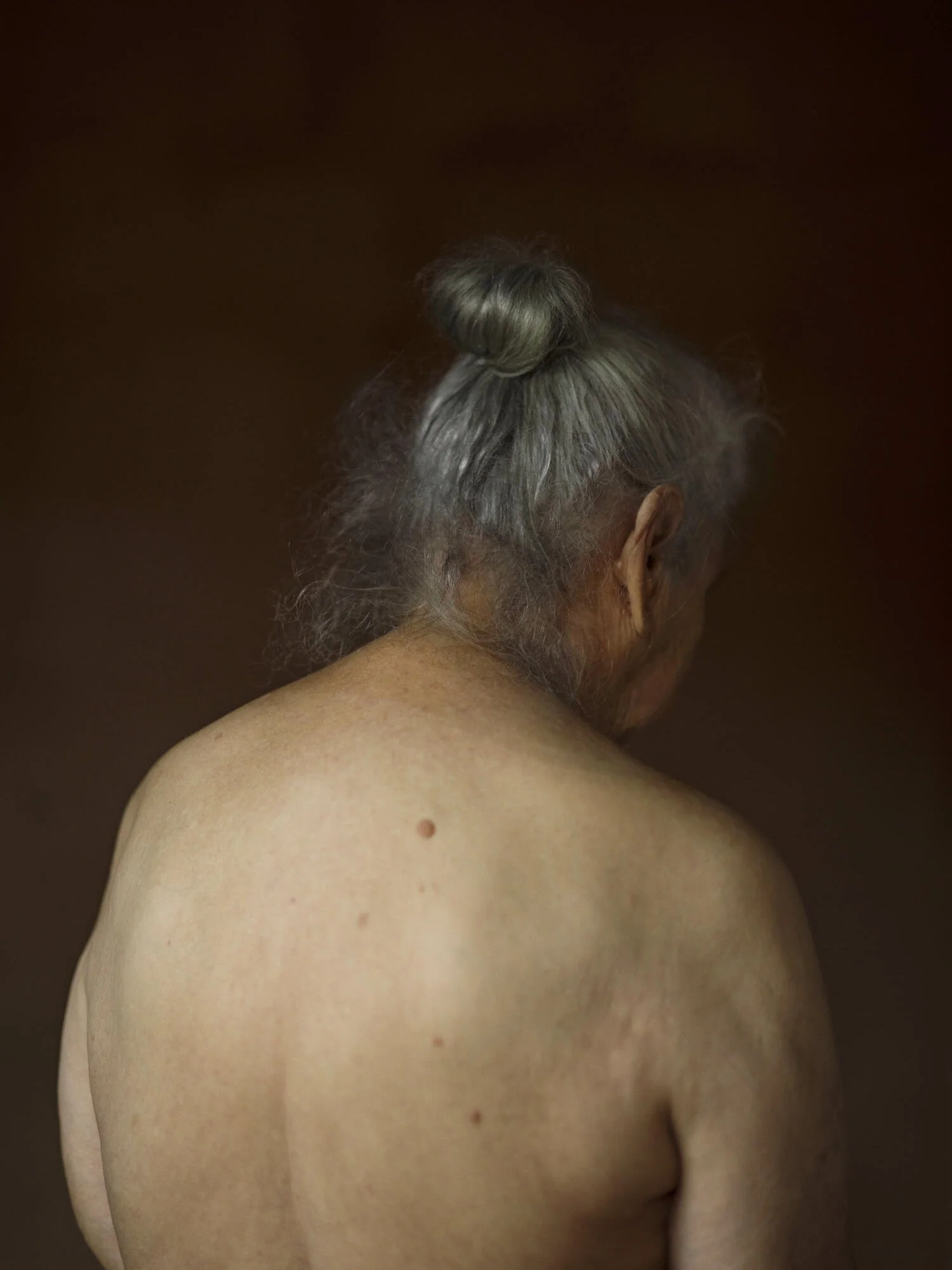
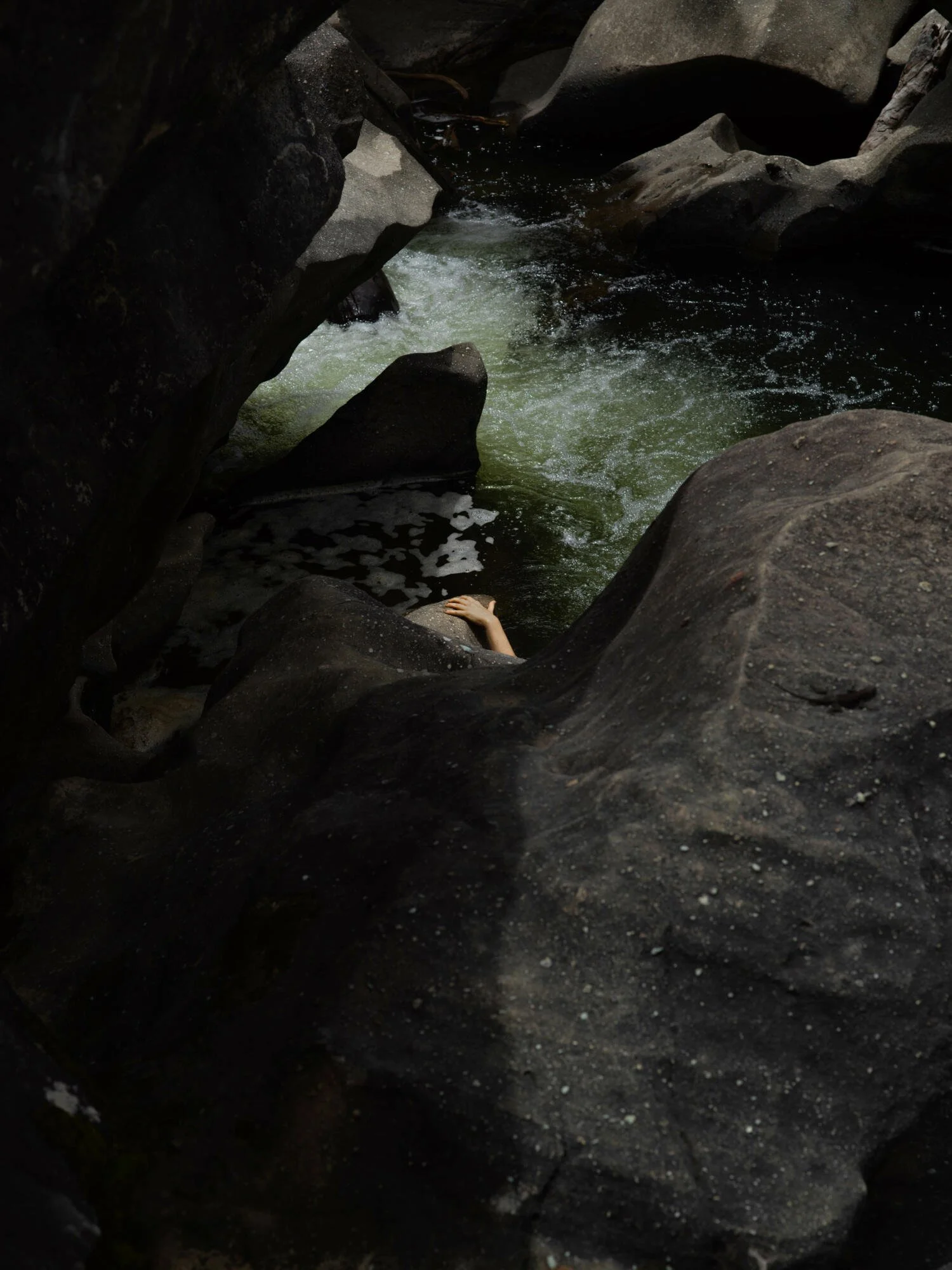
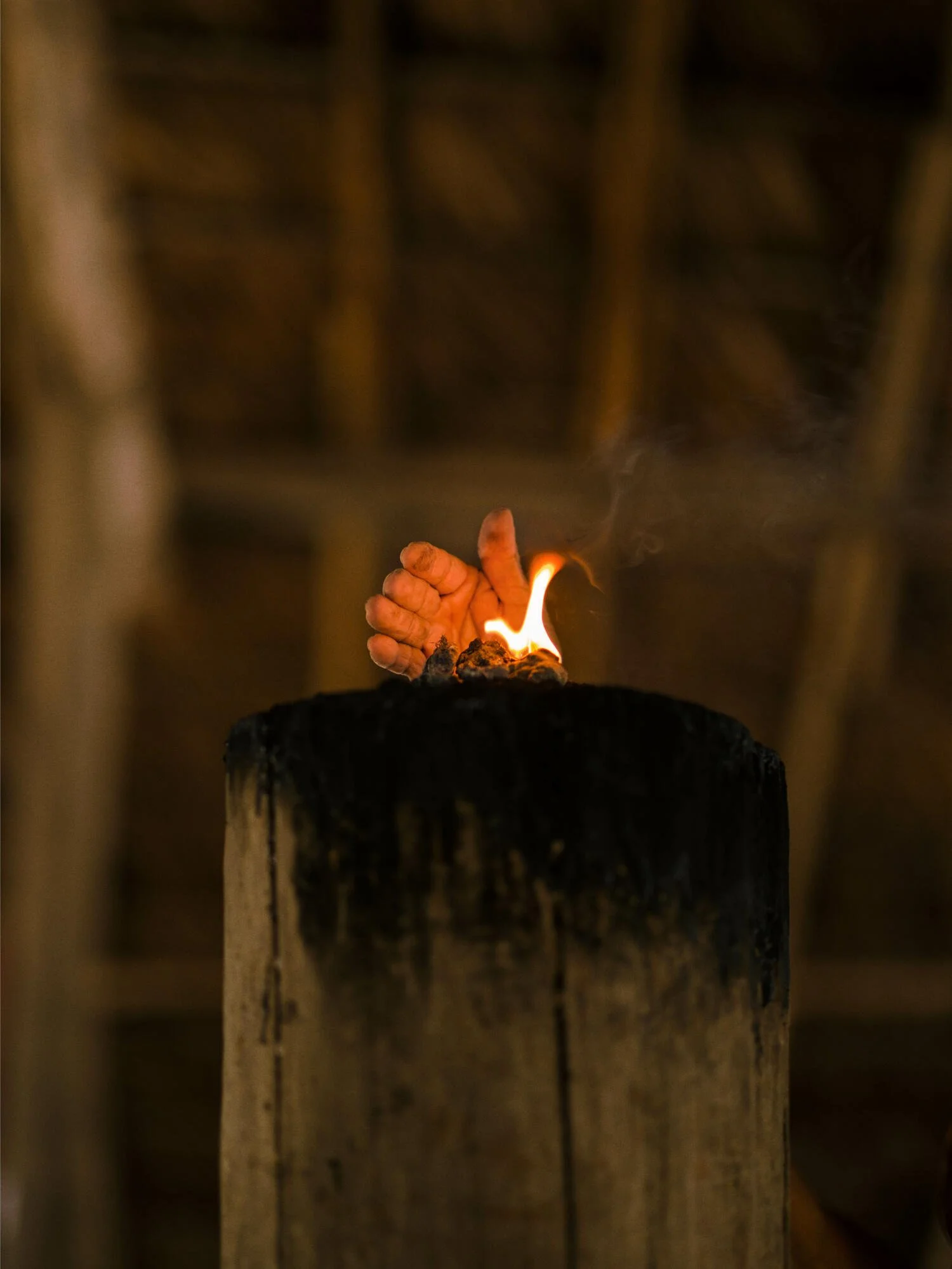
Textures, light, gestures, and atmosphere were key. Rather than aiming for explanation, the imagery invites feeling, allowing space for ambiguity, intimacy, and reflection.
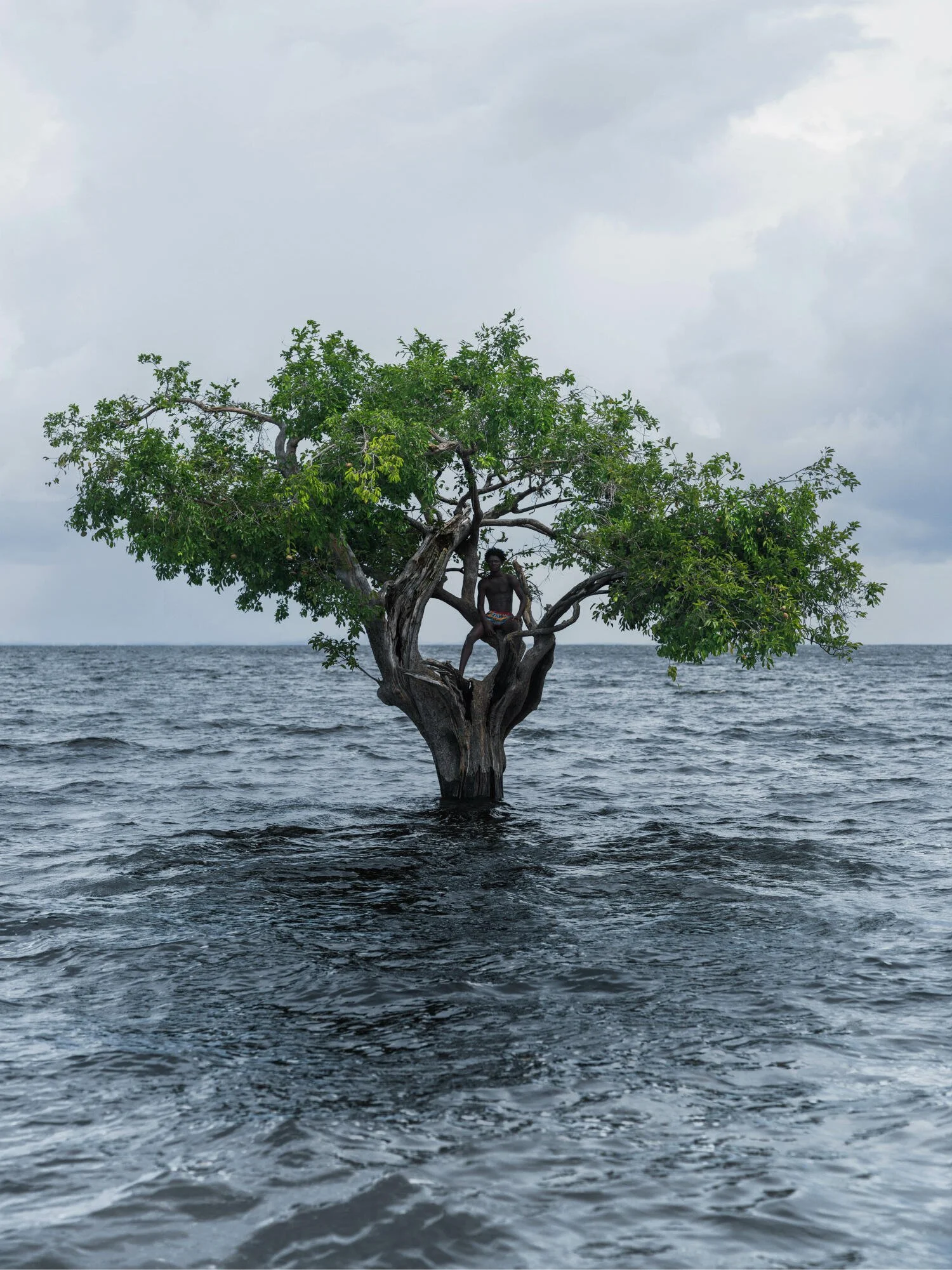
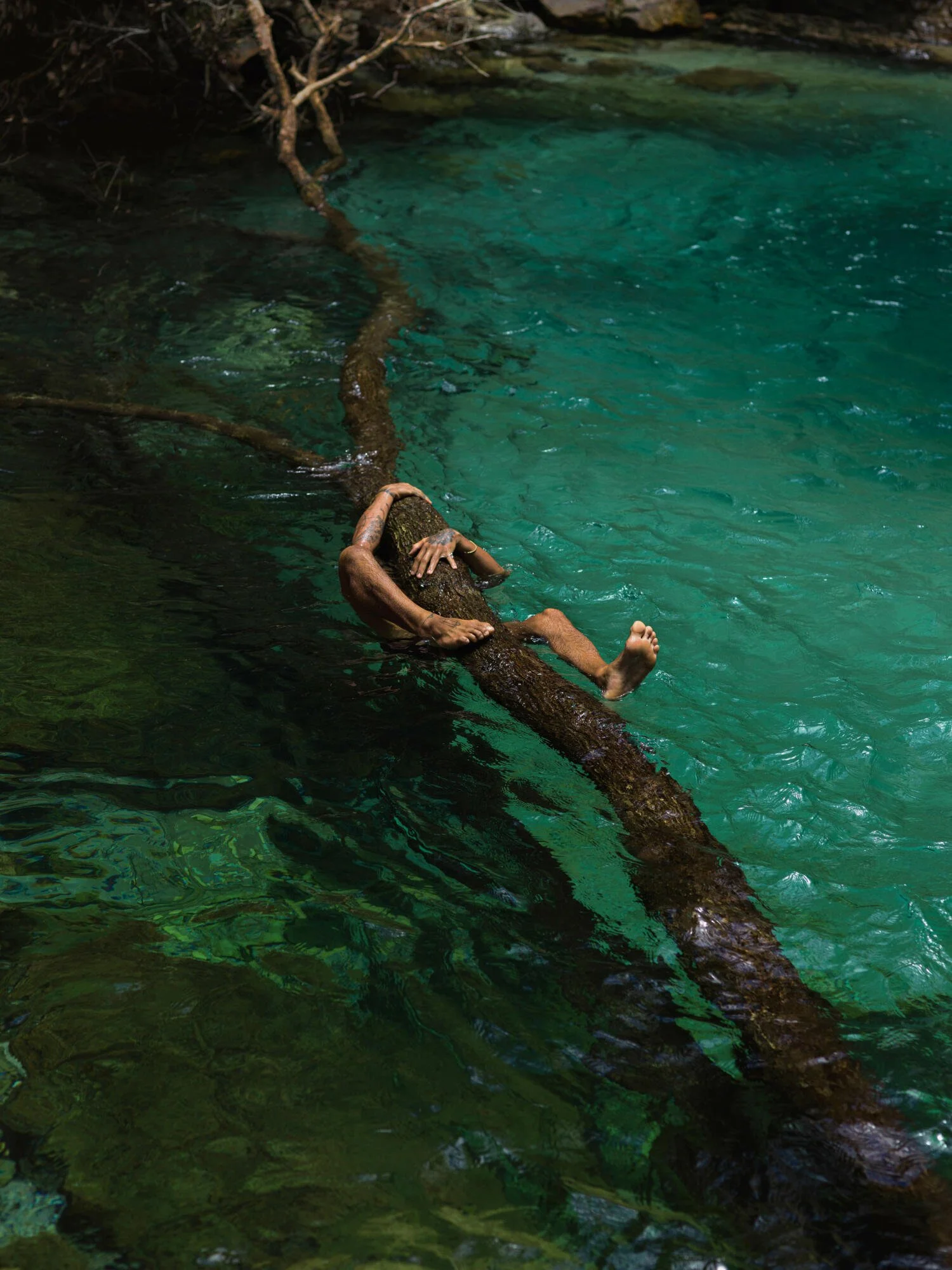
At the heart of BATISMO lies a celebration of water as a source of life, ritual, and connection. Through the lens of the Amazon and its communities, the project reflects on belonging, spirituality, and humanity’s relationship with nature, without intrusion or spectacle.
Respect and humility guided every creative decision.
Outcome & Recognition
BATISMO went on to win awards at Cortona on the Move, Kranj Photo Festival, and the LensCulture Critics' Choice prize, and received two gold medals at Le Salon des Beaux Arts in Paris.
The work was covered by It's Nice That and Atmos. It remains the project that most clearly shows what I mean by visual storytelling: images built from presence, not production.